
- Current location:Home page >> health information
How to improve social skills?
2026-05-04 02:36:32
How to improve social skills?
Social skills are the abilities demonstrated by individuals in interpersonal interactions, including communication, listening, empathy, expression, etc. Improving your social skills not only improves your relationships but also opens up more opportunities in the workplace and in life. The main content can be divided intoActive communication, listening skills, non-verbal expression, emotion managementFour major aspects, includingListen and empathizeIt's the core. This article will focus on these key points to help readers gradually improve their social skills.
Proactive communication: the key to breaking the silence

Good social interaction starts with active communication. Many people avoid communication because they fear rejection or don’t know how to speak, butTake the initiative to start a conversationis the first step to establishing a connection. You can start with a simple greeting, such as "How was your day?" or "What did you think of this event?" and gradually deepen the topic. Psychologist Dale Carnegie mentioned in "Human Weakness": "Showing genuine interest in others is the key to winning friendships.” In addition, avoiding closed-ended questions (such as “yes” or “no” answers) and using more open-ended questions (such as “What do you think?”) can promote deeper communication.
Listening skills: more important than talking
Real social masters are often good listeners.Listening is not only hearing what the other person says, but also understanding the emotions and needs behind them.Psychologist Carl Rogers emphasized,"Empathic Listening"Can make people feel respected and understood. Specific methods include: maintaining eye contact, avoiding interruptions, and showing concentration with nods or short responses (such as "Yeah" or "I understand"). Additionally, paraphrasing the other person's words (e.g., "You mean...right?") can ensure accurate understanding. Research has found that in social interactions,Listening accounts for 70%, while speaking only accounts for 30%communication is most effective.
Nonverbal Expressions: The Magic of Body Language
socializing,55% of information is conveyed through body language(According to research by psychologist Albert Merabian). Smiles, open postures (such as uncrossed arms), and modest gestures can all send friendly signals. For example, leaning forward slightly indicates interest, while checking your phone frequently may appear perfunctory. In addition,intonationCrucially, a smooth and gentle voice is more likely to be liked than a sharp or monotonous tone. When practicing, you can record a video of your own conversation, observe and adjust your non-verbal performance.
Emotion management: the core of resolving social stress
Social anxiety is a disorder for many people, butEmotional managementCan effectively alleviate. Psychologist Daniel Goleman proposed,"Emotional Intelligence"The level determines the quality of social interaction. When you feel nervous, calm down with deep breathing or positive cues (such as "I can do this"). Additionally, it’s important to embrace the idea of social imperfection—not every interaction needs to be perfect. Research from Harvard University shows thatConduct social exercises more than 3 times a week(such as joining interest groups) can significantly reduce anxiety.
Summary: Continued practice and reflection
Need to improve social skillsTheory combined with practice. From proactive ice-breaking to deep listening to optimizing non-verbal expression and emotion management, every step requires deliberate practice. It is recommended to set a small goal every day (such as chatting with strangers once) and record reflections. Social skills are like muscles, the more you exercise them, the stronger they become. As author Susan Cain said: "True socialization is not about changing yourself, but about finding ways to connect with others that make you comfortable."
| data item | content |
|---|---|
| Proportion of non-verbal information | 55% (body language) + 38% (tone of voice) + 7% (verbal content) |
| social practice frequency | Three or more times a week can reduce anxiety (Harvard University study) |
Quote sources:
1. "Human Weakness" by Dale Carnegie
2. Carl Rogers’ “Empathic Listening” Theory
3. Albert Merabian’s “7-38-55” Communication Rule
4. Daniel Goleman, "Emotional Intelligence"
5. Harvard University Social Anxiety Study (2018)
Relevant knowledge
- 2026-10-01How do women take care of their skin scientifically?
- 2026-10-01What is female beauty?
- 2026-09-30How can women supplement calcium scientifically?
- 2026-09-30What is calcium supplementation?
- 2026-09-30How often should bone density checks be done?
- 2026-09-29How to prevent osteoporosis?
- 2026-09-29Why are women prone to osteoporosis?
- 2026-09-29What is osteoporosis?
- 2026-09-28Is hormone replacement therapy safe?
- 2026-09-28What is hormone replacement therapy?
- 2026-09-28How to manage menopause?
- 2026-09-28What are the symptoms of menopause?
- 2026-09-28What is menopause?
- 2026-09-28What does a postpartum review include?
- 2026-09-27What is a postpartum review?
- 2026-09-27Is pelvic floor muscle repair necessary?
- 2026-09-27What is postpartum pelvic floor muscle repair?
- 2026-09-27How to lose weight scientifically after giving birth?
Chinese medicinal materials
More-
View
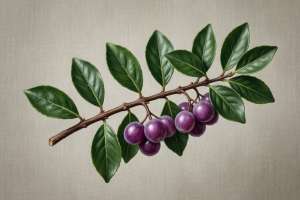
The efficacy and function of purple beads
Overview of the efficacy and functions of purple beadsPurpurea is a plant with medicinal value. Its leaves, roots and fruits can be used as medicine. Its main functions includeStop bleeding, reduce inflammation, clear away heat and detoxify, dissipate blood stasis and reduce swellingWait.In traditional medicine, purple pearls are often used to treat symptoms such as traumatic bleeding, bruises, and sore throat. Modern research has also found that it contains active ingredients such as flavonoids
-
View
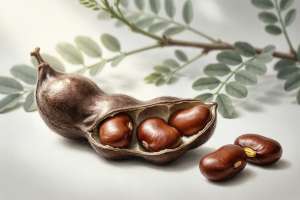
The efficacy and function of locust bean
Overview of the efficacy and functions of locust beanSophora bean, also known as Sophora japonica or Sophora japonica, is the mature fruit of Sophora japonica tree, a leguminous plant, and has various medicinal values in traditional medicine.Its main functions includeClears away heat and cools blood, moisturizes intestines and relieves constipation, lowers blood pressure, and resists oxidationetc., suitable for relieving symptoms such as hemorrhoids, bloody stools, and high blood pressure.Modern
-

View
The efficacy and function of Baiziren
Overview of the efficacy and functions of BaizirenBaiziren is the dried and mature seed kernel of Platycladus orientalis, a plant in the Cupressaceae family. Traditional Chinese medicine believes that it is flat in nature and sweet in taste, and can be used to regulate the heart, kidney, and large intestine meridians.Nourish the heart and calm the nerves, moisturize the intestines and relieve constipation, and nourish the liver and kidneysand other effects.Modern research shows that cypress seed
-

View
The efficacy and function of plum slices
Overview of the effects and functions of plum slicesPlum slices, also known as borneol or dipterocarp, is a traditional Chinese medicinal material that has the effects of rejuvenating the mind, clearing away heat and relieving pain, reducing swelling and promoting muscle growth.Its main component is dextroborneol, which is widely used in the fields of medicine, cosmetics and spices.The core functions of plum slices include relieving headaches, anti-inflammatory and sterilizing, promoting wound h
-

View
Efficacy and functions of Kochia bark
Overview of the efficacy and functions of Kochia barkKochia bark, also known as broom seedling, is a commonly used medicinal material in traditional Chinese medicine for clearing away heat and promoting dampness.Diuretic and relieve stranguria, dispel wind and relieve itching, clear away heat and detoxifyand other effects.It mainly acts on urinary system inflammation, skin itching and damp-heat jaundice, and is widely used clinically.Secondary functions include assisting in lowering blood sugar,
-

View
Efficacy and functions of Baiziren
Overview of the efficacy and functions of BaizirenBaiziren is the dried and mature seed kernel of Platycladus orientalis, a plant in the Cupressaceae family. Traditional Chinese medicine believes that it is flat in nature and sweet in taste, and can be used to regulate the heart, kidney, and large intestine meridians.Nourish the heart and calm the nerves, moisturize the intestines and relieve constipation, and nourish the liver and kidneysand other effects.Its main functions include improving sy
-

View
Eclipta Eclipta efficacy and functions
Overview of the efficacy and functions of EcliptaEclipta, also known as Eclipta or Eclipta, is a commonly used medicinal material in traditional Chinese medicine to nourish the liver and kidneys, cool blood and stop bleeding.Its core functions includeNourishes yin and nourishes kidney, blackens beard and hair, stops bleeding and reduces inflammation, the secondary effects involve improving hair loss, relieving gum bleeding and skin eczema.The primary and secondary structure is clear: liver and k
-

View
Function and role of hippocampus
Overview of the functions and functions of the hippocampusSeahorse is a precious marine creature recognized for its many benefits in both traditional medicine and modern research.Its main functions includeReplenishing kidneys and strengthening yang, anti-fatigue, regulating immunity, antioxidantetc., especially the effect of nourishing kidney and replenishing qi is the most prominent.In addition, the hippocampus also plays a certain role in improving blood circulation and relieving neurasthenia.
-

View
The effects and functions of fragrant fruit
Overview of the effects and functions of fragrant fruitXiangguo, also known as Ligusticum chuanxiong or Shannai, is a plant with both medicinal and edible value, and its rhizomes are often used in traditional Chinese medicine.Its main functions includePromotes blood circulation and removes blood stasis, dispels wind and relieves pain, improves blood circulation, the secondary effects involve relieving headaches, joint pain and women’s menstrual discomfort.The active ingredients of xiangguo, su
-

View
Efficacy and functions of Cistanche deserticola
Overview of the efficacy and functions of Cistanche deserticolaCistanche deserticola, also known as Cistanche deserticola, is a traditional Chinese medicinal material mainly produced in desert areas and is known as "desert ginseng".Its core functions includeReplenishing kidney yang, replenishing essence and blood, moistening intestines and laxative, the secondary effects involve anti-aging, regulating immunity, etc.This article will start from its medicinal value, suitable people, usage methods
-

View
White peony effect and function
Overview of the efficacy and functions of white peony rootWhite peony root is a commonly used blood-nourishing and menstrual-regulating medicine in traditional Chinese medicine.Nourishes blood and softens liver, relieves pain, astringes yin and stops sweatingIt has core functions such as irregular menstruation, hypochondriac pain, spontaneous sweating and night sweats.Its functions can be divided into two categories: primary and secondary:Main functionsIncluding regulating female endocrine, reli
-

View
Efficacy and functions of Wu Hua Xue Teng
Overview of the efficacy and functions of SpatholobusFive-flowered bloodvine is a traditional Chinese medicinal material, which mainly hasPromotes blood circulation and removes blood stasis, unblocks collaterals to relieve pain, expels wind and removes dampnessIt has other effects and is often used to treat rheumatic arthralgia, bruises and irregular menstruation.Its core function is to promote blood circulation, relieve inflammation and pain, and its secondary functions include assisting in reg