
- Current location:Home page >> health information
What are the benefits of gratitude?
2026-05-07 23:14:31
The benefits of gratitude: a positive cycle that improves physical and mental health
Gratitude is a positive psychological state that can significantly improve an individual's quality of life. Research shows that gratitude can enhance mental health (such as reducing anxiety and increasing happiness), promote interpersonal relationships (such as increasing trust and intimacy), and even optimize physical health (such as improving sleep and enhancing immunity). Its core value lies in reconstructing cognition through positive thinking and forming a virtuous cycle. Secondary benefits include increased productivity and building resilience, but they need to be based on long-term practice.
The scientific impact of gratitude on mental health

Psychological experiments have confirmed that people who regularly record gratitude diaries have a reduction rate of depressive symptoms as high as 28% (Journal of Positive Psychology 2019). Harvard University research found that gratitude can activate the prefrontal cortex of the brain and inhibit negative emotional reactions. Clinical psychologist Robert Emmons notes that gratitude naturally relieves stress by releasing dopamine and serotonin. This "mood regulator" effect makes it an important means of non-pharmacological intervention.
| research institute | sample size | Gratitude intervention effect |
|---|---|---|
| University of California, Davis | 1200 people | Happiness increased by 25% |
| University of Michigan | 800 people | Improve sleep quality by 30% |
The gratitude effect in social relationships
In interpersonal relationships, expressing gratitude can have a "reciprocal reinforcement" effect. American social psychologist John Gottman's marriage research found that the frequency of gratitude expressions between couples is positively correlated with marital satisfaction (r=0.72). In the workplace, bosses’ gratitude to employees can improve team performance by 19% (Management Science Quarterly). This enhancement of social connection stems from the fact that gratitude reduces defensiveness and promotes willingness to cooperate.
Potential improvement mechanisms for physiological health
Gratitude affects physical health through the neuro-endocrine system. Mayo Medical Center research shows that people who practice continuous gratitude have lower levels of inflammatory markers, such as C-reactive protein. Its pathways of action include: reducing cortisol secretion (by 23%) and regulating the balance of the autonomic nervous system. It is worth noting that this physiological improvement has a cumulative effect and usually requires more than 8 weeks of regular practice.
A practical path to building a gratitude habit
To turn gratitude into a daily habit, you can start from three aspects: 3 minutes of gratitude meditation in the morning, recording 3 things worth being grateful for before going to bed, and taking the initiative to express specific gratitude (such as "Thank you for helping me organize the information"). Seligman, the founder of positive psychology, recommends developing personalized plans based on SMART principles. Formalities need to be avoided and the focus is on the true experience of emotion. When gratitude becomes a habit of thought, its compound benefits will naturally appear.
Content source:
1. Robert Emmons, "The Power of Gratitude" (University of California Press)
2. Harvard Medical School Mental Health Report (2021 Edition)
3. John Gottman, "Seven Principles of Marriage" (Penguin Press)
4. Mayo Medical Center "White Paper on Mind-Body Connection Research" (2020)
Relevant knowledge
- 2026-10-01How do women take care of their skin scientifically?
- 2026-10-01What is female beauty?
- 2026-09-30How can women supplement calcium scientifically?
- 2026-09-30What is calcium supplementation?
- 2026-09-30How often should bone density checks be done?
- 2026-09-29How to prevent osteoporosis?
- 2026-09-29Why are women prone to osteoporosis?
- 2026-09-29What is osteoporosis?
- 2026-09-28Is hormone replacement therapy safe?
- 2026-09-28What is hormone replacement therapy?
- 2026-09-28How to manage menopause?
- 2026-09-28What are the symptoms of menopause?
- 2026-09-28What is menopause?
- 2026-09-28What does a postpartum review include?
- 2026-09-27What is a postpartum review?
- 2026-09-27Is pelvic floor muscle repair necessary?
- 2026-09-27What is postpartum pelvic floor muscle repair?
- 2026-09-27How to lose weight scientifically after giving birth?
Chinese medicinal materials
More-
View
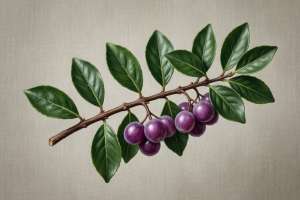
The efficacy and function of purple beads
Overview of the efficacy and functions of purple beadsPurpurea is a plant with medicinal value. Its leaves, roots and fruits can be used as medicine. Its main functions includeStop bleeding, reduce inflammation, clear away heat and detoxify, dissipate blood stasis and reduce swellingWait.In traditional medicine, purple pearls are often used to treat symptoms such as traumatic bleeding, bruises, and sore throat. Modern research has also found that it contains active ingredients such as flavonoids
-
View
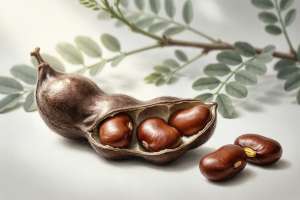
The efficacy and function of locust bean
Overview of the efficacy and functions of locust beanSophora bean, also known as Sophora japonica or Sophora japonica, is the mature fruit of Sophora japonica tree, a leguminous plant, and has various medicinal values in traditional medicine.Its main functions includeClears away heat and cools blood, moisturizes intestines and relieves constipation, lowers blood pressure, and resists oxidationetc., suitable for relieving symptoms such as hemorrhoids, bloody stools, and high blood pressure.Modern
-
View
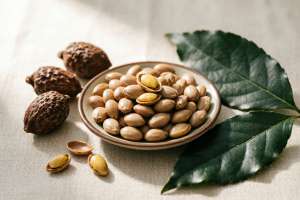
The efficacy and function of Baiziren
Overview of the efficacy and functions of BaizirenBaiziren is the dried and mature seed kernel of Platycladus orientalis, a plant in the Cupressaceae family. Traditional Chinese medicine believes that it is flat in nature and sweet in taste, and can be used to regulate the heart, kidney, and large intestine meridians.Nourish the heart and calm the nerves, moisturize the intestines and relieve constipation, and nourish the liver and kidneysand other effects.Modern research shows that cypress seed
-
View
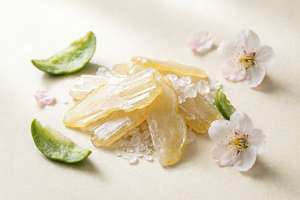
The efficacy and function of plum slices
Overview of the effects and functions of plum slicesPlum slices, also known as borneol or dipterocarp, is a traditional Chinese medicinal material that has the effects of rejuvenating the mind, clearing away heat and relieving pain, reducing swelling and promoting muscle growth.Its main component is dextroborneol, which is widely used in the fields of medicine, cosmetics and spices.The core functions of plum slices include relieving headaches, anti-inflammatory and sterilizing, promoting wound h
-
View
Efficacy and functions of Kochia bark
Overview of the efficacy and functions of Kochia barkKochia bark, also known as broom seedling, is a commonly used medicinal material in traditional Chinese medicine for clearing away heat and promoting dampness.Diuretic and relieve stranguria, dispel wind and relieve itching, clear away heat and detoxifyand other effects.It mainly acts on urinary system inflammation, skin itching and damp-heat jaundice, and is widely used clinically.Secondary functions include assisting in lowering blood sugar,
-
View
Efficacy and functions of Baiziren
Overview of the efficacy and functions of BaizirenBaiziren is the dried and mature seed kernel of Platycladus orientalis, a plant in the Cupressaceae family. Traditional Chinese medicine believes that it is flat in nature and sweet in taste, and can be used to regulate the heart, kidney, and large intestine meridians.Nourish the heart and calm the nerves, moisturize the intestines and relieve constipation, and nourish the liver and kidneysand other effects.Its main functions include improving sy
-
View
Eclipta Eclipta efficacy and functions
Overview of the efficacy and functions of EcliptaEclipta, also known as Eclipta or Eclipta, is a commonly used medicinal material in traditional Chinese medicine to nourish the liver and kidneys, cool blood and stop bleeding.Its core functions includeNourishes yin and nourishes kidney, blackens beard and hair, stops bleeding and reduces inflammation, the secondary effects involve improving hair loss, relieving gum bleeding and skin eczema.The primary and secondary structure is clear: liver and k
-

View
Function and role of hippocampus
Overview of the functions and functions of the hippocampusSeahorse is a precious marine creature recognized for its many benefits in both traditional medicine and modern research.Its main functions includeReplenishing kidneys and strengthening yang, anti-fatigue, regulating immunity, antioxidantetc., especially the effect of nourishing kidney and replenishing qi is the most prominent.In addition, the hippocampus also plays a certain role in improving blood circulation and relieving neurasthenia.
-
View
The effects and functions of fragrant fruit
Overview of the effects and functions of fragrant fruitXiangguo, also known as Ligusticum chuanxiong or Shannai, is a plant with both medicinal and edible value, and its rhizomes are often used in traditional Chinese medicine.Its main functions includePromotes blood circulation and removes blood stasis, dispels wind and relieves pain, improves blood circulation, the secondary effects involve relieving headaches, joint pain and women’s menstrual discomfort.The active ingredients of xiangguo, su
-

View
Efficacy and functions of Cistanche deserticola
Overview of the efficacy and functions of Cistanche deserticolaCistanche deserticola, also known as Cistanche deserticola, is a traditional Chinese medicinal material mainly produced in desert areas and is known as "desert ginseng".Its core functions includeReplenishing kidney yang, replenishing essence and blood, moistening intestines and laxative, the secondary effects involve anti-aging, regulating immunity, etc.This article will start from its medicinal value, suitable people, usage methods
-
View
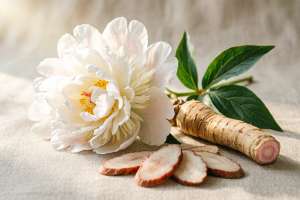
White peony effect and function
Overview of the efficacy and functions of white peony rootWhite peony root is a commonly used blood-nourishing and menstrual-regulating medicine in traditional Chinese medicine.Nourishes blood and softens liver, relieves pain, astringes yin and stops sweatingIt has core functions such as irregular menstruation, hypochondriac pain, spontaneous sweating and night sweats.Its functions can be divided into two categories: primary and secondary:Main functionsIncluding regulating female endocrine, reli
-
View
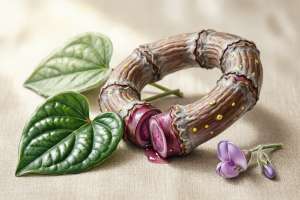
Efficacy and functions of Wu Hua Xue Teng
Overview of the efficacy and functions of SpatholobusFive-flowered bloodvine is a traditional Chinese medicinal material, which mainly hasPromotes blood circulation and removes blood stasis, unblocks collaterals to relieve pain, expels wind and removes dampnessIt has other effects and is often used to treat rheumatic arthralgia, bruises and irregular menstruation.Its core function is to promote blood circulation, relieve inflammation and pain, and its secondary functions include assisting in reg