
- Current location:Home page >> health information
What is forgiveness?
2026-05-08 15:31:37
The definition and connotation of forgiveness
Forgiveness is a psychological process of actively choosing to let go of resentment and hurt. It involves tolerance and understanding of the faults of others. Its core contains three levels:cognitive level(Understanding the objectivity of harm),emotional level(Resolve negative emotions),behavioral level(Choose not to retaliate). Forgiveness is not about condoning or forgetting, but about relieving one's own pain, repairing relationships, or promoting personal growth. Psychological research emphasizes that forgiveness has significant benefits for mental health (such as reducing anxiety) and interpersonal relationships, while religious culture (such as Christianity's "love your enemies") and philosophical thoughts (such as Confucianism's "repaying evil with kindness") also provide diverse perspectives.
The psychological mechanism and value of forgiveness

From a psychological perspective, forgiveness is an individual’s response to unfair harm.emotion regulationandcognitive restructuring. American psychologist Robert Enright proposed that forgiveness requires a staged process of "acknowledging the harm, empathizing with the offender, and deciding to forgive." For example, when betrayed, victims may feel less angry by understanding the other person's motives or situation. Research shows that holding a grudge over time can lead to chronic stress, while forgiveness can lower cortisol levels and improve sleep quality. Clinical experiments also found that people who participated in forgiveness training had a 40% reduction in depressive symptoms (data shown in the table below).
| research project | performance data | institution |
|---|---|---|
| Forgiveness and depression relief | Symptoms reduced by 40% | Stanford University Department of Psychology |
| Forgiveness Training Stress Indicator | Cortisol dropped by 25% | Harvard Medical School |
Forgiveness practice from a cultural perspective
Different cultures have different interpretations of forgiveness. Christianity encourages believers to forgive through the concept of "atonement", while Buddhism focuses on "compassion" and advocates letting go of attachments. South Africa's "Truth and Reconciliation Commission" used the principle of forgiveness to resolve apartheid hatred and promote social healing. Confucianism emphasizes "the way of forgiveness", but requires those who make mistakes to repent (for example, "If you know your mistakes and you can correct them, there is no great good"). These practices show that forgiveness is both personal cultivation and a bridge to social harmony. It is worth noting that forcing forgiveness can be counterproductive and the emotional rhythm of the victim needs to be respected.
Misunderstandings and Scientific Methods of Forgiveness
Common forgiveness myths include:Confusing forgiveness with compromise(such as blind forgiveness in domestic violence),ignore self-boundaries(Not prioritizing the protection of one’s own rights and interests). Psychologists recommend the “REACH” model: Recall, Empathize, Altruistic, Commit, and Hold. For example, express your emotions by writing a letter (without sending it), and then try to think from the other person's perspective, and finally achieve inner relief. If it is difficult to complete it independently, you can seek psychological counseling or use mindfulness meditation aids (such as Headspace APP).
Summary: The Balanced Approach to Forgiveness
The essence of forgiveness isself healingwithrelationship rebuildingdynamic balance. It does not demand immediate forgiveness, nor does it deny the pursuit of justice, but through time and active choice, it transforms pain into motivation for growth. Whether it is a personal trauma or a collective conflict, the combination of scientific methods and cultural wisdom can provide a path to forgiveness. As Desmond Tutu said in "No Future Without Forgiveness," "Forgiveness is letting go of the possibility of a better past." Ultimately, the value of forgiveness lies in liberating oneself, not in lenient toward others.
Citing sources
1. Theoretical research: "The Science of Forgiveness" by Robert Enright, University of Wisconsin research paper
2. Cultural Case: Official Report of the South African Truth and Reconciliation Commission
3. Tool recommendation: Headspace meditation APP (developed by Headspace company)
4. Celebrity point of view: Desmond Tutu "No Forgiveness, No Future"
Relevant knowledge
- 2026-10-01How do women take care of their skin scientifically?
- 2026-10-01What is female beauty?
- 2026-09-30How can women supplement calcium scientifically?
- 2026-09-30What is calcium supplementation?
- 2026-09-30How often should bone density checks be done?
- 2026-09-29How to prevent osteoporosis?
- 2026-09-29Why are women prone to osteoporosis?
- 2026-09-29What is osteoporosis?
- 2026-09-28Is hormone replacement therapy safe?
- 2026-09-28What is hormone replacement therapy?
- 2026-09-28How to manage menopause?
- 2026-09-28What are the symptoms of menopause?
- 2026-09-28What is menopause?
- 2026-09-28What does a postpartum review include?
- 2026-09-27What is a postpartum review?
- 2026-09-27Is pelvic floor muscle repair necessary?
- 2026-09-27What is postpartum pelvic floor muscle repair?
- 2026-09-27How to lose weight scientifically after giving birth?
Chinese medicinal materials
More-

View
The efficacy and function of purple beads
Overview of the efficacy and functions of purple beadsPurpurea is a plant with medicinal value. Its leaves, roots and fruits can be used as medicine. Its main functions includeStop bleeding, reduce inflammation, clear away heat and detoxify, dissipate blood stasis and reduce swellingWait.In traditional medicine, purple pearls are often used to treat symptoms such as traumatic bleeding, bruises, and sore throat. Modern research has also found that it contains active ingredients such as flavonoids
-

View
The efficacy and function of locust bean
Overview of the efficacy and functions of locust beanSophora bean, also known as Sophora japonica or Sophora japonica, is the mature fruit of Sophora japonica tree, a leguminous plant, and has various medicinal values in traditional medicine.Its main functions includeClears away heat and cools blood, moisturizes intestines and relieves constipation, lowers blood pressure, and resists oxidationetc., suitable for relieving symptoms such as hemorrhoids, bloody stools, and high blood pressure.Modern
-

View
The efficacy and function of Baiziren
Overview of the efficacy and functions of BaizirenBaiziren is the dried and mature seed kernel of Platycladus orientalis, a plant in the Cupressaceae family. Traditional Chinese medicine believes that it is flat in nature and sweet in taste, and can be used to regulate the heart, kidney, and large intestine meridians.Nourish the heart and calm the nerves, moisturize the intestines and relieve constipation, and nourish the liver and kidneysand other effects.Modern research shows that cypress seed
-
View
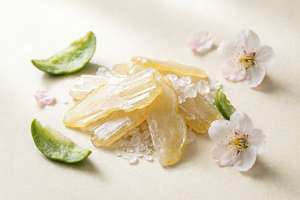
The efficacy and function of plum slices
Overview of the effects and functions of plum slicesPlum slices, also known as borneol or dipterocarp, is a traditional Chinese medicinal material that has the effects of rejuvenating the mind, clearing away heat and relieving pain, reducing swelling and promoting muscle growth.Its main component is dextroborneol, which is widely used in the fields of medicine, cosmetics and spices.The core functions of plum slices include relieving headaches, anti-inflammatory and sterilizing, promoting wound h
-

View
Efficacy and functions of Kochia bark
Overview of the efficacy and functions of Kochia barkKochia bark, also known as broom seedling, is a commonly used medicinal material in traditional Chinese medicine for clearing away heat and promoting dampness.Diuretic and relieve stranguria, dispel wind and relieve itching, clear away heat and detoxifyand other effects.It mainly acts on urinary system inflammation, skin itching and damp-heat jaundice, and is widely used clinically.Secondary functions include assisting in lowering blood sugar,
-
View
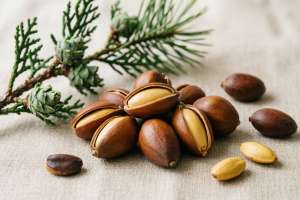
Efficacy and functions of Baiziren
Overview of the efficacy and functions of BaizirenBaiziren is the dried and mature seed kernel of Platycladus orientalis, a plant in the Cupressaceae family. Traditional Chinese medicine believes that it is flat in nature and sweet in taste, and can be used to regulate the heart, kidney, and large intestine meridians.Nourish the heart and calm the nerves, moisturize the intestines and relieve constipation, and nourish the liver and kidneysand other effects.Its main functions include improving sy
-
View
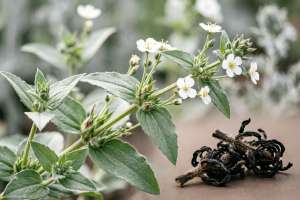
Eclipta Eclipta efficacy and functions
Overview of the efficacy and functions of EcliptaEclipta, also known as Eclipta or Eclipta, is a commonly used medicinal material in traditional Chinese medicine to nourish the liver and kidneys, cool blood and stop bleeding.Its core functions includeNourishes yin and nourishes kidney, blackens beard and hair, stops bleeding and reduces inflammation, the secondary effects involve improving hair loss, relieving gum bleeding and skin eczema.The primary and secondary structure is clear: liver and k
-

View
Function and role of hippocampus
Overview of the functions and functions of the hippocampusSeahorse is a precious marine creature recognized for its many benefits in both traditional medicine and modern research.Its main functions includeReplenishing kidneys and strengthening yang, anti-fatigue, regulating immunity, antioxidantetc., especially the effect of nourishing kidney and replenishing qi is the most prominent.In addition, the hippocampus also plays a certain role in improving blood circulation and relieving neurasthenia.
-
View
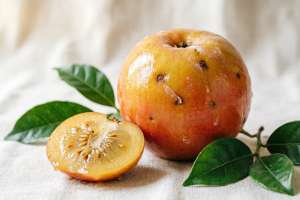
The effects and functions of fragrant fruit
Overview of the effects and functions of fragrant fruitXiangguo, also known as Ligusticum chuanxiong or Shannai, is a plant with both medicinal and edible value, and its rhizomes are often used in traditional Chinese medicine.Its main functions includePromotes blood circulation and removes blood stasis, dispels wind and relieves pain, improves blood circulation, the secondary effects involve relieving headaches, joint pain and women’s menstrual discomfort.The active ingredients of xiangguo, su
-

View
Efficacy and functions of Cistanche deserticola
Overview of the efficacy and functions of Cistanche deserticolaCistanche deserticola, also known as Cistanche deserticola, is a traditional Chinese medicinal material mainly produced in desert areas and is known as "desert ginseng".Its core functions includeReplenishing kidney yang, replenishing essence and blood, moistening intestines and laxative, the secondary effects involve anti-aging, regulating immunity, etc.This article will start from its medicinal value, suitable people, usage methods
-
View
White peony effect and function
Overview of the efficacy and functions of white peony rootWhite peony root is a commonly used blood-nourishing and menstrual-regulating medicine in traditional Chinese medicine.Nourishes blood and softens liver, relieves pain, astringes yin and stops sweatingIt has core functions such as irregular menstruation, hypochondriac pain, spontaneous sweating and night sweats.Its functions can be divided into two categories: primary and secondary:Main functionsIncluding regulating female endocrine, reli
-
View
Efficacy and functions of Wu Hua Xue Teng
Overview of the efficacy and functions of SpatholobusFive-flowered bloodvine is a traditional Chinese medicinal material, which mainly hasPromotes blood circulation and removes blood stasis, unblocks collaterals to relieve pain, expels wind and removes dampnessIt has other effects and is often used to treat rheumatic arthralgia, bruises and irregular menstruation.Its core function is to promote blood circulation, relieve inflammation and pain, and its secondary functions include assisting in reg