
- Current location:Home page >> health information
How to avoid weight loss rebound?
2026-03-28 08:18:31
How to avoid weight loss rebound? Key Strategies for Scientifically Maintaining Weight Stability
How to avoid rebound after successful weight loss is a problem faced by many people. This article will start fromDiet adjustment, exercise habits, psychological construction and long-term planningFour core dimensions are unfolded, focusing on practical methods for scientific weight maintenance. The secondary content involves sleep management, stress regulation and other auxiliary factors, forming a systematic solution with clear priorities.
Food Strategies: Building Sustainable Eating Habits

Avoiding extreme dieting is key and should be followedProgressive heat control. The Chinese Nutrition Society recommends that the daily caloric deficit be controlled at 300-500 calories, while ensuring protein intake of 1.2-1.5 grams per kilogram of body weight. Research from the Harvard School of Public Health shows that people who adopt a Mediterranean diet have a 37% lower rebound rate. Specific executable plans include: replacing refined carbohydrates with whole grains, increasing dietary fiber to 25-30 grams per day, and choosing low-GI foods to stabilize blood sugar.
Exercise plan: Create a normalized physical activity pattern
The American College of Sports Medicine points out that at least 150 minutes of moderate-intensity aerobic exercise combined with two strength training sessions per week can effectively maintain basal metabolism. Pay special attention tonon-exercise heat expenditure(NEAT) daily accumulation, such as standing office, walking and commuting, etc. Research data shows that people who maintain 8,000-10,000 steps per day have a 52% lower risk of weight regain within three years. It is recommended to choose swimming, cycling and other sports that put little pressure on joints as long-term persistence projects.
Behavioral Psychology: Establishing a Positive Feedback Mechanism
The Behavioral Research Center at Stanford University found that people who regularly tracked their diet and weight had a 43% lower rebound rate. RecommendedSMART principleSet small goals: For example, lose no more than 3% of your current body weight each month. At the same time, we should be wary of the psychological trap of "indulgence days" turning into "indulgence weeks" and enhance self-control through mindful eating training. It is also important to establish a social support system. Joining a weight loss support group can double your long-term success rate.
Integrated plan: building a lifelong health management system
Taken together, to avoid rebound, it is necessary totrinityThe solution: first form an easy-to-execute diet template, secondly develop regular exercise habits, and finally establish a healthy cognitive system. Regular physical examinations monitor key indicators such as body fat percentage and muscle mass, and it is recommended to conduct lifestyle assessments every 3 months. Remember that weight management is a lifelong issue. US CDC data shows that 90% of people who have maintained weight loss for more than 5 years have established the above-mentioned systematic habits.
| key factors | Data support | Improved effect |
|---|---|---|
| protein intake | 1.2-1.5g per kilogram | Muscle retention rate +28% |
| strength training | 2 times a week | Basal metabolism +7% |
| Diet records | 5 days a week | Rebound risk -43% |
Quote sources:
1. Chinese Nutrition Society's "Dietary Guidelines for Chinese Residents" 2022 Edition
2. Research report on "Dietary Patterns and Weight Maintenance" by Harvard School of Public Health
3. American College of Sports Medicine (ACSM) "Exercise Prescription Guidelines" 10th Edition
4. Stanford University Behavioral Research Center "The Psychology of Weight Management" 2019 study
Relevant knowledge
- 2026-10-01What is female beauty?
- 2026-09-30How can women supplement calcium scientifically?
- 2026-09-30What is calcium supplementation?
- 2026-09-30How often should bone density checks be done?
- 2026-09-29How to prevent osteoporosis?
- 2026-09-29Why are women prone to osteoporosis?
- 2026-09-29What is osteoporosis?
- 2026-09-28Is hormone replacement therapy safe?
- 2026-09-28What is hormone replacement therapy?
- 2026-09-28How to manage menopause?
- 2026-09-28What are the symptoms of menopause?
- 2026-09-28What is menopause?
- 2026-09-28What does a postpartum review include?
- 2026-09-27What is a postpartum review?
- 2026-09-27Is pelvic floor muscle repair necessary?
- 2026-09-27What is postpartum pelvic floor muscle repair?
- 2026-09-27How to lose weight scientifically after giving birth?
- 2026-09-26What is postpartum weight loss?
Chinese medicinal materials
More-

View
The efficacy and function of locust bean
Overview of the efficacy and functions of locust beanSophora bean, also known as Sophora japonica or Sophora japonica, is the mature fruit of Sophora japonica tree, a leguminous plant, and has various medicinal values in traditional medicine.Its main functions includeClears away heat and cools blood, moisturizes intestines and relieves constipation, lowers blood pressure, and resists oxidationetc., suitable for relieving symptoms such as hemorrhoids, bloody stools, and high blood pressure.Modern
-

View
The efficacy and function of Baiziren
Overview of the efficacy and functions of BaizirenBaiziren is the dried and mature seed kernel of Platycladus orientalis, a plant in the Cupressaceae family. Traditional Chinese medicine believes that it is flat in nature and sweet in taste, and can be used to regulate the heart, kidney, and large intestine meridians.Nourish the heart and calm the nerves, moisturize the intestines and relieve constipation, and nourish the liver and kidneysand other effects.Modern research shows that cypress seed
-

View
The efficacy and function of plum slices
Overview of the effects and functions of plum slicesPlum slices, also known as borneol or dipterocarp, is a traditional Chinese medicinal material that has the effects of rejuvenating the mind, clearing away heat and relieving pain, reducing swelling and promoting muscle growth.Its main component is dextroborneol, which is widely used in the fields of medicine, cosmetics and spices.The core functions of plum slices include relieving headaches, anti-inflammatory and sterilizing, promoting wound h
-

View
Efficacy and functions of Kochia bark
Overview of the efficacy and functions of Kochia barkKochia bark, also known as broom seedling, is a commonly used medicinal material in traditional Chinese medicine for clearing away heat and promoting dampness.Diuretic and relieve stranguria, dispel wind and relieve itching, clear away heat and detoxifyand other effects.It mainly acts on urinary system inflammation, skin itching and damp-heat jaundice, and is widely used clinically.Secondary functions include assisting in lowering blood sugar,
-

View
Efficacy and functions of Baiziren
Overview of the efficacy and functions of BaizirenBaiziren is the dried and mature seed kernel of Platycladus orientalis, a plant in the Cupressaceae family. Traditional Chinese medicine believes that it is flat in nature and sweet in taste, and can be used to regulate the heart, kidney, and large intestine meridians.Nourish the heart and calm the nerves, moisturize the intestines and relieve constipation, and nourish the liver and kidneysand other effects.Its main functions include improving sy
-

View
Eclipta Eclipta efficacy and functions
Overview of the efficacy and functions of EcliptaEclipta, also known as Eclipta or Eclipta, is a commonly used medicinal material in traditional Chinese medicine to nourish the liver and kidneys, cool blood and stop bleeding.Its core functions includeNourishes yin and nourishes kidney, blackens beard and hair, stops bleeding and reduces inflammation, the secondary effects involve improving hair loss, relieving gum bleeding and skin eczema.The primary and secondary structure is clear: liver and k
-

View
Function and role of hippocampus
Overview of the functions and functions of the hippocampusSeahorse is a precious marine creature recognized for its many benefits in both traditional medicine and modern research.Its main functions includeReplenishing kidneys and strengthening yang, anti-fatigue, regulating immunity, antioxidantetc., especially the effect of nourishing kidney and replenishing qi is the most prominent.In addition, the hippocampus also plays a certain role in improving blood circulation and relieving neurasthenia.
-

View
The effects and functions of fragrant fruit
Overview of the effects and functions of fragrant fruitXiangguo, also known as Ligusticum chuanxiong or Shannai, is a plant with both medicinal and edible value, and its rhizomes are often used in traditional Chinese medicine.Its main functions includePromotes blood circulation and removes blood stasis, dispels wind and relieves pain, improves blood circulation, the secondary effects involve relieving headaches, joint pain and women’s menstrual discomfort.The active ingredients of xiangguo, su
-

View
Efficacy and functions of Cistanche deserticola
Overview of the efficacy and functions of Cistanche deserticolaCistanche deserticola, also known as Cistanche deserticola, is a traditional Chinese medicinal material mainly produced in desert areas and is known as "desert ginseng".Its core functions includeReplenishing kidney yang, replenishing essence and blood, moistening intestines and laxative, the secondary effects involve anti-aging, regulating immunity, etc.This article will start from its medicinal value, suitable people, usage methods
-

View
White peony effect and function
Overview of the efficacy and functions of white peony rootWhite peony root is a commonly used blood-nourishing and menstrual-regulating medicine in traditional Chinese medicine.Nourishes blood and softens liver, relieves pain, astringes yin and stops sweatingIt has core functions such as irregular menstruation, hypochondriac pain, spontaneous sweating and night sweats.Its functions can be divided into two categories: primary and secondary:Main functionsIncluding regulating female endocrine, reli
-

View
Efficacy and functions of Wu Hua Xue Teng
Overview of the efficacy and functions of SpatholobusFive-flowered bloodvine is a traditional Chinese medicinal material, which mainly hasPromotes blood circulation and removes blood stasis, unblocks collaterals to relieve pain, expels wind and removes dampnessIt has other effects and is often used to treat rheumatic arthralgia, bruises and irregular menstruation.Its core function is to promote blood circulation, relieve inflammation and pain, and its secondary functions include assisting in reg
-
View
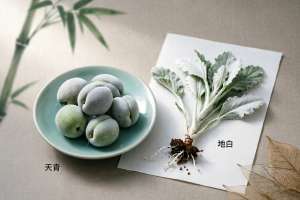
The efficacy and function of Tianqingdibai
Overview of the efficacy and functions of TianqingdibaiTianqing Dibai is a traditional Chinese medicinal material that has the effects of clearing heat and detoxifying, cooling blood and stopping bleeding, reducing swelling and dissipating stagnation. It is often used to treat sore throat, carbuncle sores, bruises and other diseases.Its main components include flavonoids, organic acids and other active substances. Modern research shows that it has certain anti-inflammatory and antibacterial effe