
- Current location:Home page >> health information
What is basal metabolism?
2026-03-28 14:29:35
Basal metabolism: the energy cornerstone of life activities
Basal Metabolic Rate (BMR) refers to the minimum energy consumed by the human body to maintain basic life functions (such as breathing, heartbeat, and body temperature regulation) in a completely stationary state (such as fasting in the morning, lying awake and lying down). It is the largest component of total energy consumption in the human body (accounting for approximately 60%-70%), and is affected by factors such as age, gender, weight, muscle mass, and hormone levels. Understanding basal metabolism is crucial to health management, weight control and nutritional planning. The following will start with the definition, influencing factors, improvement methods and practical applications to help readers fully grasp this core physiological concept.
Physiological significance and calculation of basal metabolism
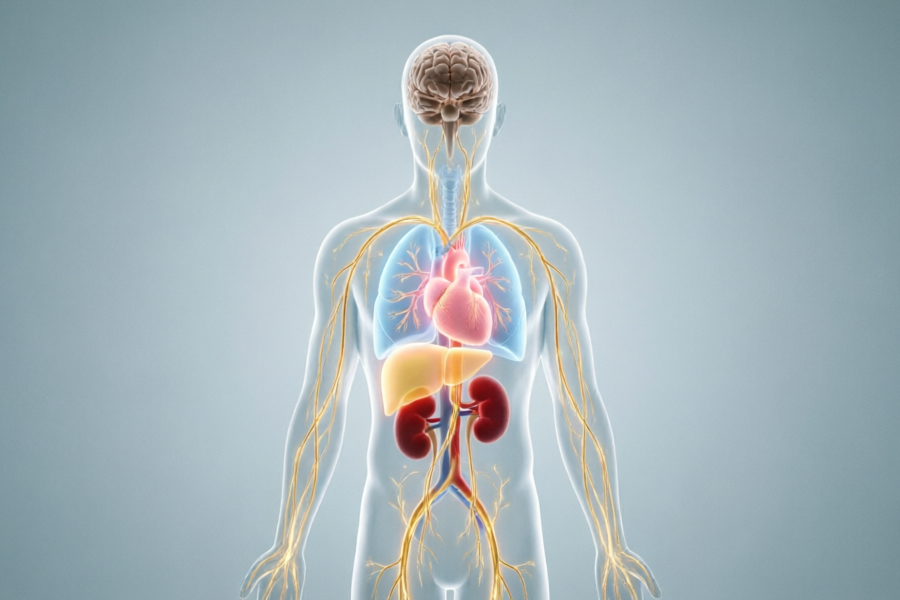
Basal metabolism reflects the "standby energy consumption" of human cells, organs and systems. Taking adult men as an example, the daily basal metabolism is about 1500-1800 kcal. Women usually have a lower metabolism of 10%-15% due to less muscle mass. The calculation formula is as followsHarris-Benedict equation(Male BMR=88.362+(13.397×weight kg)+(4.799×height cm)-(5.677×age)) The value can be estimated. It is worth noting that the BMR of patients with hyperthyroidism may increase by 30%-60%, and long-term dieting will lead to a decrease in metabolic rate and form a "fat-prone body". The American College of Sports Medicine points out that muscle tissue consumes three times more calories than fat every day, so building muscle is the key to improving metabolism.
Five core factors affecting basal metabolism
1.body composition: People with a higher proportion of muscle are more metabolically active. At the same weight, athletes consume 15%-20% more energy than sedentary people; 2.age: Metabolic rate decreases by 1%-2% every ten years after the age of 30, due to muscle loss and hormonal changes; 3.gender: Male testosterone levels promote muscle growth, and their metabolism is generally higher than that of females; 4.ambient temperature: Metabolism may increase by 5%-15% in cold environments to maintain body temperature; 5.genetics: Genes can cause 5%-10% metabolic differences between individuals (Plos Genetics, 2019). In addition, food ingredients such as caffeine and capsaicin can temporarily increase metabolism, but the effect is limited.
Three major strategies to scientifically improve basal metabolism
1.resistance training: Strength training 2-3 times a week can increase 1.5-2 pounds of muscle, and increase metabolism by about 100-150 kcal/day (Journal of Applied Physiology); 2.Protein first: The thermic effect of food (TEF) for digesting protein reaches 20%-30%, which is much higher than carbohydrates (5%-10%); 3.Sleep and drink: Sleeping less than 6 hours will reduce leptin secretion, and drinking 500ml of cold water can temporarily increase metabolism by 5%-15%. It should be noted that extreme dieting (<1200 kcal/day) will cause the metabolic rate to drop by 20%-30%, which is detrimental to health.
Practical applications and misunderstandings of basal metabolism
In weight management, total daily consumption = basal metabolism × activity coefficient (1.2-2.5). For example, if an office worker (coefficient 1.4) has a BMR of 1,500 kcal, he or she will need about 2,100 kcal to maintain weight. Common misunderstandings include: superstitious belief in “metabolism-enhancing products” (such as a certain brand of L-carnitine drink with an actual effect of less than 3%), neglect of muscle protection, and over-reliance on aerobic exercise. Authoritative organizations recommend a combination of diet (such as high protein, whole grains), regular exercise and adequate sleep to comprehensively regulate metabolism. Healthy people can monitor muscle and metabolic changes through body fat scales (such as InBody and Huawei Body Fat Scale 3), but medical-grade testing still requires indirect calorimetry.
| Comparison of common metabolic testing equipment | |||
|---|---|---|---|
| InBody 270 | bioelectrical impedance method | Error ±5% | About 20,000 yuan |
| Huawei Body Fat Scale 3 | Home grade BIA | Error ±8% | 199 yuan |
| Medical grade indirect calorimeter | gas analysis | Error ±2% | More than 100,000 yuan |
Citing sources: 1. American College of Sports Medicine (ACSM) "Guidelines for Exercise Testing and Prescription" 11th Edition 2. Harris JA, Benedict FG.Bioenergetics Research(1919) 3. A certain brand of L-carnitine drink (note: the actual effect varies from person to person and needs to be coordinated with exercise) 4. InBody official technical white paper (2023)
Relevant knowledge
- 2026-10-01What is female beauty?
- 2026-09-30How can women supplement calcium scientifically?
- 2026-09-30What is calcium supplementation?
- 2026-09-30How often should bone density checks be done?
- 2026-09-29How to prevent osteoporosis?
- 2026-09-29Why are women prone to osteoporosis?
- 2026-09-29What is osteoporosis?
- 2026-09-28Is hormone replacement therapy safe?
- 2026-09-28What is hormone replacement therapy?
- 2026-09-28How to manage menopause?
- 2026-09-28What are the symptoms of menopause?
- 2026-09-28What is menopause?
- 2026-09-28What does a postpartum review include?
- 2026-09-27What is a postpartum review?
- 2026-09-27Is pelvic floor muscle repair necessary?
- 2026-09-27What is postpartum pelvic floor muscle repair?
- 2026-09-27How to lose weight scientifically after giving birth?
- 2026-09-26What is postpartum weight loss?
Chinese medicinal materials
More-
View
The efficacy and function of locust bean
Overview of the efficacy and functions of locust beanSophora bean, also known as Sophora japonica or Sophora japonica, is the mature fruit of Sophora japonica tree, a leguminous plant, and has various medicinal values in traditional medicine.Its main functions includeClears away heat and cools blood, moisturizes intestines and relieves constipation, lowers blood pressure, and resists oxidationetc., suitable for relieving symptoms such as hemorrhoids, bloody stools, and high blood pressure.Modern
-
View
The efficacy and function of Baiziren
Overview of the efficacy and functions of BaizirenBaiziren is the dried and mature seed kernel of Platycladus orientalis, a plant in the Cupressaceae family. Traditional Chinese medicine believes that it is flat in nature and sweet in taste, and can be used to regulate the heart, kidney, and large intestine meridians.Nourish the heart and calm the nerves, moisturize the intestines and relieve constipation, and nourish the liver and kidneysand other effects.Modern research shows that cypress seed
-
View
The efficacy and function of plum slices
Overview of the effects and functions of plum slicesPlum slices, also known as borneol or dipterocarp, is a traditional Chinese medicinal material that has the effects of rejuvenating the mind, clearing away heat and relieving pain, reducing swelling and promoting muscle growth.Its main component is dextroborneol, which is widely used in the fields of medicine, cosmetics and spices.The core functions of plum slices include relieving headaches, anti-inflammatory and sterilizing, promoting wound h
-

View
Efficacy and functions of Kochia bark
Overview of the efficacy and functions of Kochia barkKochia bark, also known as broom seedling, is a commonly used medicinal material in traditional Chinese medicine for clearing away heat and promoting dampness.Diuretic and relieve stranguria, dispel wind and relieve itching, clear away heat and detoxifyand other effects.It mainly acts on urinary system inflammation, skin itching and damp-heat jaundice, and is widely used clinically.Secondary functions include assisting in lowering blood sugar,
-
View
Efficacy and functions of Baiziren
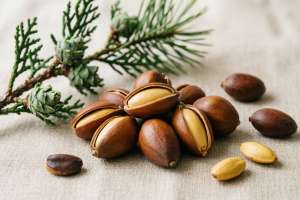
Overview of the efficacy and functions of BaizirenBaiziren is the dried and mature seed kernel of Platycladus orientalis, a plant in the Cupressaceae family. Traditional Chinese medicine believes that it is flat in nature and sweet in taste, and can be used to regulate the heart, kidney, and large intestine meridians.Nourish the heart and calm the nerves, moisturize the intestines and relieve constipation, and nourish the liver and kidneysand other effects.Its main functions include improving sy
-
View
Eclipta Eclipta efficacy and functions
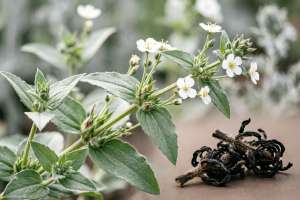
Overview of the efficacy and functions of EcliptaEclipta, also known as Eclipta or Eclipta, is a commonly used medicinal material in traditional Chinese medicine to nourish the liver and kidneys, cool blood and stop bleeding.Its core functions includeNourishes yin and nourishes kidney, blackens beard and hair, stops bleeding and reduces inflammation, the secondary effects involve improving hair loss, relieving gum bleeding and skin eczema.The primary and secondary structure is clear: liver and k
-

View
Function and role of hippocampus
Overview of the functions and functions of the hippocampusSeahorse is a precious marine creature recognized for its many benefits in both traditional medicine and modern research.Its main functions includeReplenishing kidneys and strengthening yang, anti-fatigue, regulating immunity, antioxidantetc., especially the effect of nourishing kidney and replenishing qi is the most prominent.In addition, the hippocampus also plays a certain role in improving blood circulation and relieving neurasthenia.
-
View
The effects and functions of fragrant fruit
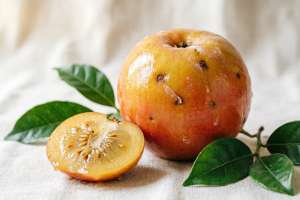
Overview of the effects and functions of fragrant fruitXiangguo, also known as Ligusticum chuanxiong or Shannai, is a plant with both medicinal and edible value, and its rhizomes are often used in traditional Chinese medicine.Its main functions includePromotes blood circulation and removes blood stasis, dispels wind and relieves pain, improves blood circulation, the secondary effects involve relieving headaches, joint pain and women’s menstrual discomfort.The active ingredients of xiangguo, su
-
View
Efficacy and functions of Cistanche deserticola
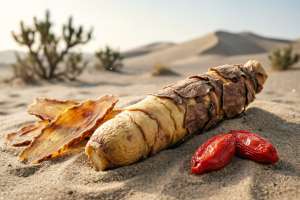
Overview of the efficacy and functions of Cistanche deserticolaCistanche deserticola, also known as Cistanche deserticola, is a traditional Chinese medicinal material mainly produced in desert areas and is known as "desert ginseng".Its core functions includeReplenishing kidney yang, replenishing essence and blood, moistening intestines and laxative, the secondary effects involve anti-aging, regulating immunity, etc.This article will start from its medicinal value, suitable people, usage methods
-

View
White peony effect and function
Overview of the efficacy and functions of white peony rootWhite peony root is a commonly used blood-nourishing and menstrual-regulating medicine in traditional Chinese medicine.Nourishes blood and softens liver, relieves pain, astringes yin and stops sweatingIt has core functions such as irregular menstruation, hypochondriac pain, spontaneous sweating and night sweats.Its functions can be divided into two categories: primary and secondary:Main functionsIncluding regulating female endocrine, reli
-

View
Efficacy and functions of Wu Hua Xue Teng
Overview of the efficacy and functions of SpatholobusFive-flowered bloodvine is a traditional Chinese medicinal material, which mainly hasPromotes blood circulation and removes blood stasis, unblocks collaterals to relieve pain, expels wind and removes dampnessIt has other effects and is often used to treat rheumatic arthralgia, bruises and irregular menstruation.Its core function is to promote blood circulation, relieve inflammation and pain, and its secondary functions include assisting in reg
-
View
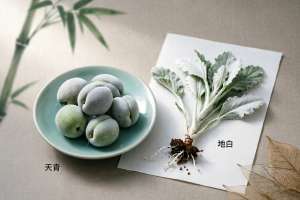
The efficacy and function of Tianqingdibai
Overview of the efficacy and functions of TianqingdibaiTianqing Dibai is a traditional Chinese medicinal material that has the effects of clearing heat and detoxifying, cooling blood and stopping bleeding, reducing swelling and dissipating stagnation. It is often used to treat sore throat, carbuncle sores, bruises and other diseases.Its main components include flavonoids, organic acids and other active substances. Modern research shows that it has certain anti-inflammatory and antibacterial effe