
- Current location:Home page >> health information
What is an adjustment disorder?
2026-04-10 11:25:30
Overview and content structure of adjustment disorders
Adjustment disorder is a short-term emotional and behavioral disorder triggered by significant life stress or change, often manifesting as anxiety, depression, or behavioral abnormalities but not meeting diagnostic criteria for other psychiatric disorders. This article will start from five aspects: definition and characteristics, common triggers, typical symptoms, diagnosis and treatment, and preventive measures. First, the core concept of adjustment disorder is introduced, then its triggering factors are analyzed, then the clinical manifestations are described in detail, then professional intervention methods are discussed, and finally coping suggestions are provided. The content is clearly organized and designed to help readers fully understand this psychological issue.
Definition and Characteristics of Adjustment Disorder

Adjustment disorder refers to the emotional or behavioral reaction that occurs within 3 months after an individual experiences major life events such as divorce, unemployment, immigration, etc., and the duration usually does not exceed 6 months. Its core feature is that symptoms are directly related to the stressor and are of a severity that is outside the normal range. For example, a student who has difficulty adapting to a new school may cry persistently or refuse to go to school, but does not have psychotic symptoms such as hallucinations or delusions. The U.S. Diagnostic and Statistical Manual of Mental Disorders (DSM-5) classifies it as a "trauma and stress-related disorder", emphasizing its reversibility and situational relevance.
Common triggers and high-risk groups
Stressors that trigger adjustment disorders can be negative (such as the death of a loved one) or positive (such as increased responsibilities following a promotion). Common triggers include relationship conflicts, financial difficulties, or health problems. Children and adolescents are more susceptible to disease due to their weak adjustment ability, and adults who lack social support are also at high risk. Research shows that about 5%-20% of psychological outpatients have adjustment disorders (Journal of Clinical Psychiatry, 2018). Notably, an individual's subjective perception of stress is a better predictor of risk than the event itself.
Symptoms and differential diagnosis
Patients' symptoms are diverse: the emotional type is dominated by depression or anxiety; the behavioral type may be aggressive or avoidant; and the mixed type may be both. Unlike depression, symptoms of adjustment disorder decrease with stress relief without significant biorhythmic changes. In clinical practice, attention should be paid to distinguishing it from post-traumatic stress disorder (PTSD) - the latter requires experiencing extreme threatening events and the symptoms last longer. Some patients may experience physical symptoms, such as headaches or insomnia, which can easily be misdiagnosed as physical illnesses.
Intervention methods and prognosis
Treatment is mainly based on psychological intervention. Cognitive behavioral therapy (CBT) can help patients reconstruct their stress cognition, and short-term treatment is usually effective. In severe cases, anti-anxiety drugs (such as lorazepam) or SSRI antidepressants (such as sertraline) can be used short-term, but the risk of dependence needs to be alerted. Most patients recover within 6 months, and about 10% may become chronic. The key to prevention lies in improving coping skills, such as enhancing emotion regulation through mindfulness training. Social support systems such as corporate EAP (employee assistance programs) can also reduce the probability of illness.
Summary and practical suggestions
Adaptation disorder is a common manifestation of imbalanced stress response and has three characteristics: situational, short-term and treatable. If you experience persistent depression or functional impairment, it is recommended to seek psychological counseling as soon as possible. Mental toughness can be enhanced through regular exercise and maintaining social connections on a daily basis. Remember, asking for help is not a sign of weakness, but an important step in restoring balance.
Citing sources
1. Diagnostic criteria: American Psychiatric Association "DSM-5" (2013)
2. Epidemiological data:Journal of Clinical Psychiatry(2018)
3. Treatment Guidelines: World Health Organization "ICD-11" (2019)
4. Drug reference: Antidepressants approved by the State Food and Drug Administration (such as Sertraline tablets produced by Pfizer)
| Related drug examples | Manufacturer |
|---|---|
| sertraline tablets | Pfizer |
| Lorazepam tablets | Roche Pharmaceuticals |
Relevant knowledge
- 2026-10-01How do women take care of their skin scientifically?
- 2026-10-01What is female beauty?
- 2026-09-30How can women supplement calcium scientifically?
- 2026-09-30What is calcium supplementation?
- 2026-09-30How often should bone density checks be done?
- 2026-09-29How to prevent osteoporosis?
- 2026-09-29Why are women prone to osteoporosis?
- 2026-09-29What is osteoporosis?
- 2026-09-28Is hormone replacement therapy safe?
- 2026-09-28What is hormone replacement therapy?
- 2026-09-28How to manage menopause?
- 2026-09-28What are the symptoms of menopause?
- 2026-09-28What is menopause?
- 2026-09-28What does a postpartum review include?
- 2026-09-27What is a postpartum review?
- 2026-09-27Is pelvic floor muscle repair necessary?
- 2026-09-27What is postpartum pelvic floor muscle repair?
- 2026-09-27How to lose weight scientifically after giving birth?
Chinese medicinal materials
More-
View
The efficacy and function of purple beads
Overview of the efficacy and functions of purple beadsPurpurea is a plant with medicinal value. Its leaves, roots and fruits can be used as medicine. Its main functions includeStop bleeding, reduce inflammation, clear away heat and detoxify, dissipate blood stasis and reduce swellingWait.In traditional medicine, purple pearls are often used to treat symptoms such as traumatic bleeding, bruises, and sore throat. Modern research has also found that it contains active ingredients such as flavonoids
-
View
The efficacy and function of locust bean
Overview of the efficacy and functions of locust beanSophora bean, also known as Sophora japonica or Sophora japonica, is the mature fruit of Sophora japonica tree, a leguminous plant, and has various medicinal values in traditional medicine.Its main functions includeClears away heat and cools blood, moisturizes intestines and relieves constipation, lowers blood pressure, and resists oxidationetc., suitable for relieving symptoms such as hemorrhoids, bloody stools, and high blood pressure.Modern
-
View
The efficacy and function of Baiziren
Overview of the efficacy and functions of BaizirenBaiziren is the dried and mature seed kernel of Platycladus orientalis, a plant in the Cupressaceae family. Traditional Chinese medicine believes that it is flat in nature and sweet in taste, and can be used to regulate the heart, kidney, and large intestine meridians.Nourish the heart and calm the nerves, moisturize the intestines and relieve constipation, and nourish the liver and kidneysand other effects.Modern research shows that cypress seed
-
View
The efficacy and function of plum slices
Overview of the effects and functions of plum slicesPlum slices, also known as borneol or dipterocarp, is a traditional Chinese medicinal material that has the effects of rejuvenating the mind, clearing away heat and relieving pain, reducing swelling and promoting muscle growth.Its main component is dextroborneol, which is widely used in the fields of medicine, cosmetics and spices.The core functions of plum slices include relieving headaches, anti-inflammatory and sterilizing, promoting wound h
-
View
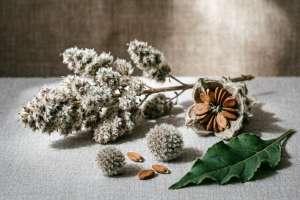
Efficacy and functions of Kochia bark
Overview of the efficacy and functions of Kochia barkKochia bark, also known as broom seedling, is a commonly used medicinal material in traditional Chinese medicine for clearing away heat and promoting dampness.Diuretic and relieve stranguria, dispel wind and relieve itching, clear away heat and detoxifyand other effects.It mainly acts on urinary system inflammation, skin itching and damp-heat jaundice, and is widely used clinically.Secondary functions include assisting in lowering blood sugar,
-
View
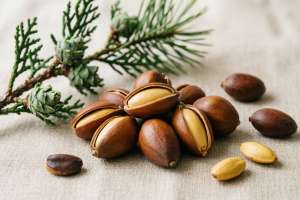
Efficacy and functions of Baiziren
Overview of the efficacy and functions of BaizirenBaiziren is the dried and mature seed kernel of Platycladus orientalis, a plant in the Cupressaceae family. Traditional Chinese medicine believes that it is flat in nature and sweet in taste, and can be used to regulate the heart, kidney, and large intestine meridians.Nourish the heart and calm the nerves, moisturize the intestines and relieve constipation, and nourish the liver and kidneysand other effects.Its main functions include improving sy
-
View
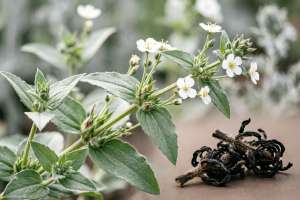
Eclipta Eclipta efficacy and functions
Overview of the efficacy and functions of EcliptaEclipta, also known as Eclipta or Eclipta, is a commonly used medicinal material in traditional Chinese medicine to nourish the liver and kidneys, cool blood and stop bleeding.Its core functions includeNourishes yin and nourishes kidney, blackens beard and hair, stops bleeding and reduces inflammation, the secondary effects involve improving hair loss, relieving gum bleeding and skin eczema.The primary and secondary structure is clear: liver and k
-

View
Function and role of hippocampus
Overview of the functions and functions of the hippocampusSeahorse is a precious marine creature recognized for its many benefits in both traditional medicine and modern research.Its main functions includeReplenishing kidneys and strengthening yang, anti-fatigue, regulating immunity, antioxidantetc., especially the effect of nourishing kidney and replenishing qi is the most prominent.In addition, the hippocampus also plays a certain role in improving blood circulation and relieving neurasthenia.
-
View
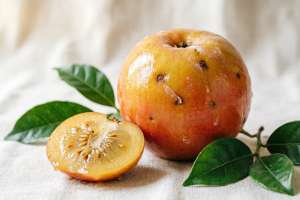
The effects and functions of fragrant fruit
Overview of the effects and functions of fragrant fruitXiangguo, also known as Ligusticum chuanxiong or Shannai, is a plant with both medicinal and edible value, and its rhizomes are often used in traditional Chinese medicine.Its main functions includePromotes blood circulation and removes blood stasis, dispels wind and relieves pain, improves blood circulation, the secondary effects involve relieving headaches, joint pain and women’s menstrual discomfort.The active ingredients of xiangguo, su
-

View
Efficacy and functions of Cistanche deserticola
Overview of the efficacy and functions of Cistanche deserticolaCistanche deserticola, also known as Cistanche deserticola, is a traditional Chinese medicinal material mainly produced in desert areas and is known as "desert ginseng".Its core functions includeReplenishing kidney yang, replenishing essence and blood, moistening intestines and laxative, the secondary effects involve anti-aging, regulating immunity, etc.This article will start from its medicinal value, suitable people, usage methods
-
View
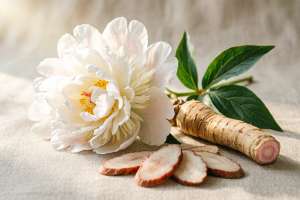
White peony effect and function
Overview of the efficacy and functions of white peony rootWhite peony root is a commonly used blood-nourishing and menstrual-regulating medicine in traditional Chinese medicine.Nourishes blood and softens liver, relieves pain, astringes yin and stops sweatingIt has core functions such as irregular menstruation, hypochondriac pain, spontaneous sweating and night sweats.Its functions can be divided into two categories: primary and secondary:Main functionsIncluding regulating female endocrine, reli
-
View
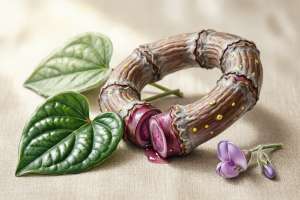
Efficacy and functions of Wu Hua Xue Teng
Overview of the efficacy and functions of SpatholobusFive-flowered bloodvine is a traditional Chinese medicinal material, which mainly hasPromotes blood circulation and removes blood stasis, unblocks collaterals to relieve pain, expels wind and removes dampnessIt has other effects and is often used to treat rheumatic arthralgia, bruises and irregular menstruation.Its core function is to promote blood circulation, relieve inflammation and pain, and its secondary functions include assisting in reg