
- Current location:Home page >> health information
How to prevent sports injuries?
2026-03-06 14:21:30
Sports Injury Prevention Guide: Scientific Protection, Safe Sports
The prevention of sports injuries requiresWarm-up preparation, correct posture, moderate intensity, equipment selection and recovery managementStart with the five core links. Warming up can activate muscles and joints and reduce the risk of strains; standard movements can avoid joint and soft tissue injuries; reasonable control of exercise can prevent excessive fatigue; suitable sports shoes, protective gear and other equipment can provide external protection; stretching and nutritional supplements after exercise can promote recovery. This article will focus on these five points to help sports enthusiasts establish a comprehensive protection system.
1. Full warm-up: activate the body and prevent acute injury

before exercise10-15 minutes of dynamic warm-up(such as leg raises and jumping jacks) can increase the heart rate, increase joint lubricant secretion, and reduce the probability of sprains or muscle strains. Research from the American College of Sports Medicine (ACSM) shows that warming up can increase muscle elasticity by 30%. Avoid static stretches (such as leg presses) as they may reduce muscle power. It is recommended to combine targeted warm-up with sports activities. For example, basketball players need to focus on ankle and knee joint activities.
2. Standardize technical movements: avoid chronic strain injuries
Wrong posture is one of the main causes of sports injuries. For example when runningknee buckleMay cause patella pain when lifting weightslumbar compensationIt can easily lead to lumbar disc herniation. It is recommended that beginners learn basic movements under the guidance of professional coaches, or correct themselves through video analysis tools (such as slow-motion shooting on mobile phones). The World Health Organization (WHO) points out that standardized movements can reduce more than 40% of sports-related injuries.
3. Control exercise intensity: step-by-step is the key
follow"10% principle"(The increase in exercise volume per week should not exceed 10%) can effectively prevent overuse injuries. For example, if a runner’s total mileage this week is 20 kilometers, he should not exceed 22 kilometers next week. Wear a heart rate monitoring device (such asGarmin Forerunner Series) helps assess intensity in real time and avoid overloading the heart. The American Heart Association (AHA) recommends that the heart rate should be controlled at 50%-70% of the maximum heart rate during moderate-intensity exercise (maximum heart rate = 220 - age).
4. Reasonable selection of equipment: Reduce the risk of injury from the source
Sports equipment needs to match event needs and personal physique:running shoesYou should choose according to the type of arch (such as supportive running shoes for flat feet, ASICS GT-2000 series);protective gear(such as Balfen knee pads) suitable for high-impact sports such as basketball and skiing. Research shows that professional sports shoes can reduce the risk of ankle sprains by up to 60% (data from the British Journal of Sports Medicine). Regularly check the wear and tear of equipment. For example, running shoes need to be replaced every 800 kilometers.
5. Pay attention to recovery management: accelerate repair and prevent secondary damage
after exerciseCold compress (acute phase) or hot compress (chronic phase)It can relieve inflammation and use the foam roller to relax fascia. supplementProtein (Whey Protein) and Electrolytes (Pocari Sweat)Promote muscle repair. Lack of sleep will delay recovery, so it is recommended to ensure 7-9 hours of sleep. NBA star LeBron James invests millions of dollars every year in recovery treatments, including hyperbaric oxygen chambers and cryotherapy, which shows that recovery is as important as training.
Summary: System protection, long-lasting exercise
Preventing sports injuries requiresThroughout the entire movement, forming a closed loop of "warm-up-exercise-recovery". Combined with the personal physical adjustment plan, if you are obese, you need to reduce jumping exercises to protect the knee joints. Regular physical fitness assessments, such as the FMS Functional Movement Screen, can identify potential risks. Remember: the value of prevention is much higher than treatment. Only through scientific exercise can you enjoy a healthy life.
| Precautions | Related data/products | Source |
|---|---|---|
| Warm up duration | 10-15 minutes dynamic warm-up | American College of Sports Medicine (ACSM) |
| Running shoe replacement cycle | every 800 kilometers | Runner's World Guide |
| Knee brace brand | Bauerfeind | German medical device certification |
Quote sources:
1. American College of Sports Medicine (ACSM) "Sports Injury Prevention Guidelines"
2. World Health Organization (WHO) "Global Sports Health Report"
3. LeBron James Interview (ESPN, 2021)
4. Product examples: Garmin Forerunner 255 (GPS heart rate monitor), ASICS GT-2000 (running shoes)
Relevant knowledge
- 2026-10-01What is female beauty?
- 2026-09-30How can women supplement calcium scientifically?
- 2026-09-30What is calcium supplementation?
- 2026-09-30How often should bone density checks be done?
- 2026-09-29How to prevent osteoporosis?
- 2026-09-29Why are women prone to osteoporosis?
- 2026-09-29What is osteoporosis?
- 2026-09-28Is hormone replacement therapy safe?
- 2026-09-28What is hormone replacement therapy?
- 2026-09-28How to manage menopause?
- 2026-09-28What are the symptoms of menopause?
- 2026-09-28What is menopause?
- 2026-09-28What does a postpartum review include?
- 2026-09-27What is a postpartum review?
- 2026-09-27Is pelvic floor muscle repair necessary?
- 2026-09-27What is postpartum pelvic floor muscle repair?
- 2026-09-27How to lose weight scientifically after giving birth?
- 2026-09-26What is postpartum weight loss?
Chinese medicinal materials
More-
View
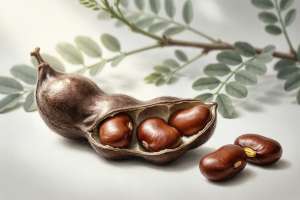
The efficacy and function of locust bean
Overview of the efficacy and functions of locust beanSophora bean, also known as Sophora japonica or Sophora japonica, is the mature fruit of Sophora japonica tree, a leguminous plant, and has various medicinal values in traditional medicine.Its main functions includeClears away heat and cools blood, moisturizes intestines and relieves constipation, lowers blood pressure, and resists oxidationetc., suitable for relieving symptoms such as hemorrhoids, bloody stools, and high blood pressure.Modern
-
View
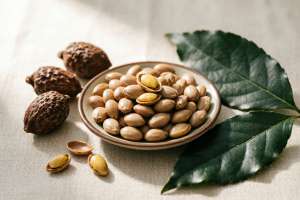
The efficacy and function of Baiziren
Overview of the efficacy and functions of BaizirenBaiziren is the dried and mature seed kernel of Platycladus orientalis, a plant in the Cupressaceae family. Traditional Chinese medicine believes that it is flat in nature and sweet in taste, and can be used to regulate the heart, kidney, and large intestine meridians.Nourish the heart and calm the nerves, moisturize the intestines and relieve constipation, and nourish the liver and kidneysand other effects.Modern research shows that cypress seed
-
View
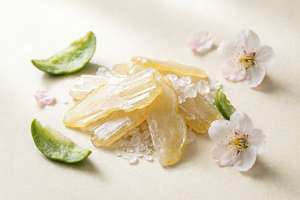
The efficacy and function of plum slices
Overview of the effects and functions of plum slicesPlum slices, also known as borneol or dipterocarp, is a traditional Chinese medicinal material that has the effects of rejuvenating the mind, clearing away heat and relieving pain, reducing swelling and promoting muscle growth.Its main component is dextroborneol, which is widely used in the fields of medicine, cosmetics and spices.The core functions of plum slices include relieving headaches, anti-inflammatory and sterilizing, promoting wound h
-
View
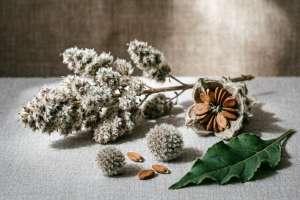
Efficacy and functions of Kochia bark
Overview of the efficacy and functions of Kochia barkKochia bark, also known as broom seedling, is a commonly used medicinal material in traditional Chinese medicine for clearing away heat and promoting dampness.Diuretic and relieve stranguria, dispel wind and relieve itching, clear away heat and detoxifyand other effects.It mainly acts on urinary system inflammation, skin itching and damp-heat jaundice, and is widely used clinically.Secondary functions include assisting in lowering blood sugar,
-
View
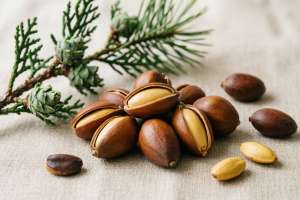
Efficacy and functions of Baiziren
Overview of the efficacy and functions of BaizirenBaiziren is the dried and mature seed kernel of Platycladus orientalis, a plant in the Cupressaceae family. Traditional Chinese medicine believes that it is flat in nature and sweet in taste, and can be used to regulate the heart, kidney, and large intestine meridians.Nourish the heart and calm the nerves, moisturize the intestines and relieve constipation, and nourish the liver and kidneysand other effects.Its main functions include improving sy
-
View
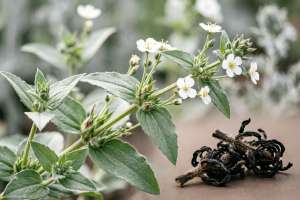
Eclipta Eclipta efficacy and functions
Overview of the efficacy and functions of EcliptaEclipta, also known as Eclipta or Eclipta, is a commonly used medicinal material in traditional Chinese medicine to nourish the liver and kidneys, cool blood and stop bleeding.Its core functions includeNourishes yin and nourishes kidney, blackens beard and hair, stops bleeding and reduces inflammation, the secondary effects involve improving hair loss, relieving gum bleeding and skin eczema.The primary and secondary structure is clear: liver and k
-

View
Function and role of hippocampus
Overview of the functions and functions of the hippocampusSeahorse is a precious marine creature recognized for its many benefits in both traditional medicine and modern research.Its main functions includeReplenishing kidneys and strengthening yang, anti-fatigue, regulating immunity, antioxidantetc., especially the effect of nourishing kidney and replenishing qi is the most prominent.In addition, the hippocampus also plays a certain role in improving blood circulation and relieving neurasthenia.
-
View
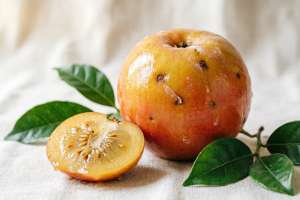
The effects and functions of fragrant fruit
Overview of the effects and functions of fragrant fruitXiangguo, also known as Ligusticum chuanxiong or Shannai, is a plant with both medicinal and edible value, and its rhizomes are often used in traditional Chinese medicine.Its main functions includePromotes blood circulation and removes blood stasis, dispels wind and relieves pain, improves blood circulation, the secondary effects involve relieving headaches, joint pain and women’s menstrual discomfort.The active ingredients of xiangguo, su
-
View
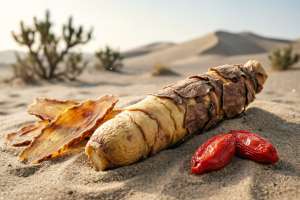
Efficacy and functions of Cistanche deserticola
Overview of the efficacy and functions of Cistanche deserticolaCistanche deserticola, also known as Cistanche deserticola, is a traditional Chinese medicinal material mainly produced in desert areas and is known as "desert ginseng".Its core functions includeReplenishing kidney yang, replenishing essence and blood, moistening intestines and laxative, the secondary effects involve anti-aging, regulating immunity, etc.This article will start from its medicinal value, suitable people, usage methods
-
View
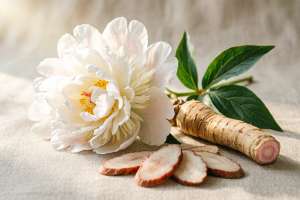
White peony effect and function
Overview of the efficacy and functions of white peony rootWhite peony root is a commonly used blood-nourishing and menstrual-regulating medicine in traditional Chinese medicine.Nourishes blood and softens liver, relieves pain, astringes yin and stops sweatingIt has core functions such as irregular menstruation, hypochondriac pain, spontaneous sweating and night sweats.Its functions can be divided into two categories: primary and secondary:Main functionsIncluding regulating female endocrine, reli
-
View
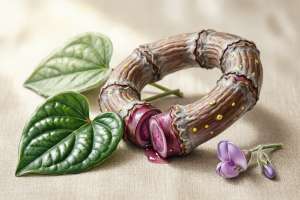
Efficacy and functions of Wu Hua Xue Teng
Overview of the efficacy and functions of SpatholobusFive-flowered bloodvine is a traditional Chinese medicinal material, which mainly hasPromotes blood circulation and removes blood stasis, unblocks collaterals to relieve pain, expels wind and removes dampnessIt has other effects and is often used to treat rheumatic arthralgia, bruises and irregular menstruation.Its core function is to promote blood circulation, relieve inflammation and pain, and its secondary functions include assisting in reg
-
View
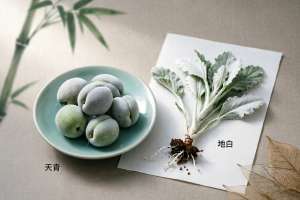
The efficacy and function of Tianqingdibai
Overview of the efficacy and functions of TianqingdibaiTianqing Dibai is a traditional Chinese medicinal material that has the effects of clearing heat and detoxifying, cooling blood and stopping bleeding, reducing swelling and dissipating stagnation. It is often used to treat sore throat, carbuncle sores, bruises and other diseases.Its main components include flavonoids, organic acids and other active substances. Modern research shows that it has certain anti-inflammatory and antibacterial effe