
- Current location:Home page >> health information
How to eliminate stigma?
2026-05-12 19:37:32
How to eliminate stigma?
Stigma is a feeling of shame, inferiority, or social rejection due to an illness or health problem. It is common among people with mental illness, chronic diseases, or infectious diseases. Eliminating stigma requires multi-dimensional efforts, includingSocial education, psychological support, policy advocacy and personal adjustment. At the social level, science propaganda should be strengthened to reduce misunderstandings; at the individual level, self-confidence can be rebuilt through psychological counseling, peer support, etc.; at the policy level, anti-discrimination legislation needs to be promoted. This article will focus on these core methods to help patients and the public correctly understand the disease and establish an inclusive environment.
Social education and popular science propaganda

The first priority to eliminate stigma is toBreak down information barriers. Much discrimination stems from misunderstandings about illnesses, such as mental illness being mistaken for a "character flaw" and AIDS being stigmatized as a "moral issue." Carrying out science popularization activities through the media, schools and communities to convey scientific knowledge can effectively reduce prejudice. For example, the "Depression: Let's Talk" campaign launched by the World Health Organization (WHO) has changed the public's stereotypes about mental illness through the sharing of real stories. In addition, celebrities who disclose their experiences (such as actor Dwayne Johnson talking about depression) can also significantly increase social acceptance.
Psychological support and peer assistance
A support network within the patient is critical.psychological counselingandmutual aid groupIt can help patients face the disease and reduce loneliness. For example, the Bipolar Disorder Association regularly holds online meetings for patients to share coping strategies. Professional psychotherapy, such as cognitive behavioral therapy, can correct negative self-evaluations, while peer support provides emotional resonance. Research shows that patients who participate in mutual aid groups reduce their stigma by 40% (Journal of Mental Health, 2021). Positive feedback from family and friends is also key, and avoid using labeled language such as "pretentious" and "vulnerable."
Policy advocacy and rights protection
Laws and policies are the guarantee for eliminating stigma. Countries are gradually improvinganti-discrimination laws, such as the United States' "Disabilities Act" prohibiting workplace health discrimination. my country’s Mental Health Law also clearly stipulates patients’ equal rights to employment. Companies can participate in “mental health-friendly workplace” programs, such as Allianz Insurance, which provides free psychological assessments to employees. In addition, medical institutions should train medical staff to avoid verbal violence, such as using "patient" instead of "madman" and other discriminatory terms. Policy promotion needs to be combined with public supervision to encourage patients to protect their rights through legal channels.
Summary and action suggestions
Eliminating stigma is a long-term project that requiresIndividuals, society and government work together to. Patients can take the initiative to learn about the disease and join support groups; the public should abandon prejudice and treat others with empathy; policymakers need to improve laws and implement supervision. The ultimate goal is to build an inclusive society where “disease has no advantages or disadvantages, and health has no discrimination.” As psychologist Carl Rogers said: “When a person is heard and understood, he is able to re-examine his world and move on.”
Citing sources
| Data source | "Journal of Mental Health" 2021 study: The impact of support groups on stigma |
| celebrity quotes | Psychologist Carl Rogers' theory of empathy |
| policy case | The Americans with Disabilities Act and China’s Mental Health Law |
| Enterprise case | Allianz Insurance Employee Psychological Support Program |
| Public welfare projects | WHO “Depression: Let’s talk” global initiative |
Relevant knowledge
- 2026-10-01How do women take care of their skin scientifically?
- 2026-10-01What is female beauty?
- 2026-09-30How can women supplement calcium scientifically?
- 2026-09-30What is calcium supplementation?
- 2026-09-30How often should bone density checks be done?
- 2026-09-29How to prevent osteoporosis?
- 2026-09-29Why are women prone to osteoporosis?
- 2026-09-29What is osteoporosis?
- 2026-09-28Is hormone replacement therapy safe?
- 2026-09-28What is hormone replacement therapy?
- 2026-09-28How to manage menopause?
- 2026-09-28What are the symptoms of menopause?
- 2026-09-28What is menopause?
- 2026-09-28What does a postpartum review include?
- 2026-09-27What is a postpartum review?
- 2026-09-27Is pelvic floor muscle repair necessary?
- 2026-09-27What is postpartum pelvic floor muscle repair?
- 2026-09-27How to lose weight scientifically after giving birth?
Chinese medicinal materials
More-

View
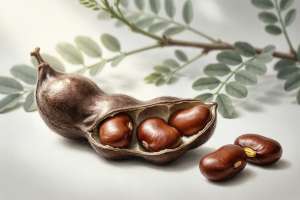
The efficacy and function of purple beads
Overview of the efficacy and functions of purple beadsPurpurea is a plant with medicinal value. Its leaves, roots and fruits can be used as medicine. Its main functions includeStop bleeding, reduce inflammation, clear away heat and detoxify, dissipate blood stasis and reduce swellingWait.In traditional medicine, purple pearls are often used to treat symptoms such as traumatic bleeding, bruises, and sore throat. Modern research has also found that it contains active ingredients such as flavonoids
-
View
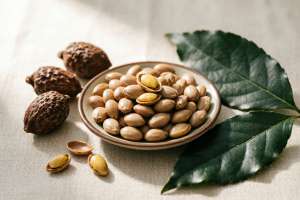
The efficacy and function of locust bean
Overview of the efficacy and functions of locust beanSophora bean, also known as Sophora japonica or Sophora japonica, is the mature fruit of Sophora japonica tree, a leguminous plant, and has various medicinal values in traditional medicine.Its main functions includeClears away heat and cools blood, moisturizes intestines and relieves constipation, lowers blood pressure, and resists oxidationetc., suitable for relieving symptoms such as hemorrhoids, bloody stools, and high blood pressure.Modern
-
View
The efficacy and function of Baiziren
Overview of the efficacy and functions of BaizirenBaiziren is the dried and mature seed kernel of Platycladus orientalis, a plant in the Cupressaceae family. Traditional Chinese medicine believes that it is flat in nature and sweet in taste, and can be used to regulate the heart, kidney, and large intestine meridians.Nourish the heart and calm the nerves, moisturize the intestines and relieve constipation, and nourish the liver and kidneysand other effects.Modern research shows that cypress seed
-
View
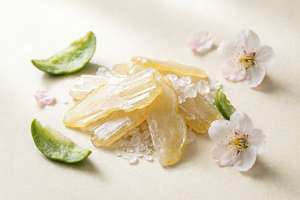
The efficacy and function of plum slices
Overview of the effects and functions of plum slicesPlum slices, also known as borneol or dipterocarp, is a traditional Chinese medicinal material that has the effects of rejuvenating the mind, clearing away heat and relieving pain, reducing swelling and promoting muscle growth.Its main component is dextroborneol, which is widely used in the fields of medicine, cosmetics and spices.The core functions of plum slices include relieving headaches, anti-inflammatory and sterilizing, promoting wound h
-
View
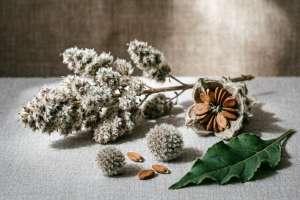
Efficacy and functions of Kochia bark
Overview of the efficacy and functions of Kochia barkKochia bark, also known as broom seedling, is a commonly used medicinal material in traditional Chinese medicine for clearing away heat and promoting dampness.Diuretic and relieve stranguria, dispel wind and relieve itching, clear away heat and detoxifyand other effects.It mainly acts on urinary system inflammation, skin itching and damp-heat jaundice, and is widely used clinically.Secondary functions include assisting in lowering blood sugar,
-
View
Efficacy and functions of Baiziren
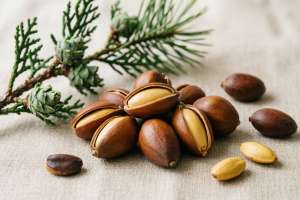
Overview of the efficacy and functions of BaizirenBaiziren is the dried and mature seed kernel of Platycladus orientalis, a plant in the Cupressaceae family. Traditional Chinese medicine believes that it is flat in nature and sweet in taste, and can be used to regulate the heart, kidney, and large intestine meridians.Nourish the heart and calm the nerves, moisturize the intestines and relieve constipation, and nourish the liver and kidneysand other effects.Its main functions include improving sy
-
View
Eclipta Eclipta efficacy and functions
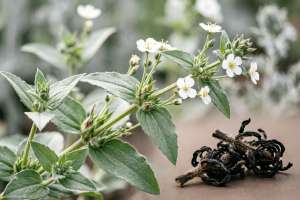
Overview of the efficacy and functions of EcliptaEclipta, also known as Eclipta or Eclipta, is a commonly used medicinal material in traditional Chinese medicine to nourish the liver and kidneys, cool blood and stop bleeding.Its core functions includeNourishes yin and nourishes kidney, blackens beard and hair, stops bleeding and reduces inflammation, the secondary effects involve improving hair loss, relieving gum bleeding and skin eczema.The primary and secondary structure is clear: liver and k
-

View
Function and role of hippocampus
Overview of the functions and functions of the hippocampusSeahorse is a precious marine creature recognized for its many benefits in both traditional medicine and modern research.Its main functions includeReplenishing kidneys and strengthening yang, anti-fatigue, regulating immunity, antioxidantetc., especially the effect of nourishing kidney and replenishing qi is the most prominent.In addition, the hippocampus also plays a certain role in improving blood circulation and relieving neurasthenia.
-
View
The effects and functions of fragrant fruit
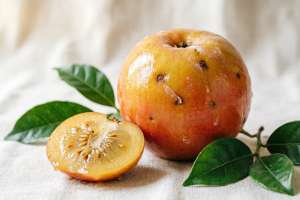
Overview of the effects and functions of fragrant fruitXiangguo, also known as Ligusticum chuanxiong or Shannai, is a plant with both medicinal and edible value, and its rhizomes are often used in traditional Chinese medicine.Its main functions includePromotes blood circulation and removes blood stasis, dispels wind and relieves pain, improves blood circulation, the secondary effects involve relieving headaches, joint pain and women’s menstrual discomfort.The active ingredients of xiangguo, su
-

View
Efficacy and functions of Cistanche deserticola
Overview of the efficacy and functions of Cistanche deserticolaCistanche deserticola, also known as Cistanche deserticola, is a traditional Chinese medicinal material mainly produced in desert areas and is known as "desert ginseng".Its core functions includeReplenishing kidney yang, replenishing essence and blood, moistening intestines and laxative, the secondary effects involve anti-aging, regulating immunity, etc.This article will start from its medicinal value, suitable people, usage methods
-
View
White peony effect and function
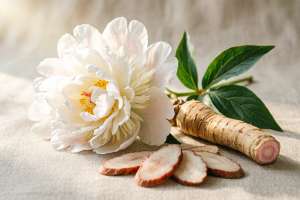
Overview of the efficacy and functions of white peony rootWhite peony root is a commonly used blood-nourishing and menstrual-regulating medicine in traditional Chinese medicine.Nourishes blood and softens liver, relieves pain, astringes yin and stops sweatingIt has core functions such as irregular menstruation, hypochondriac pain, spontaneous sweating and night sweats.Its functions can be divided into two categories: primary and secondary:Main functionsIncluding regulating female endocrine, reli
-
View
Efficacy and functions of Wu Hua Xue Teng
Overview of the efficacy and functions of SpatholobusFive-flowered bloodvine is a traditional Chinese medicinal material, which mainly hasPromotes blood circulation and removes blood stasis, unblocks collaterals to relieve pain, expels wind and removes dampnessIt has other effects and is often used to treat rheumatic arthralgia, bruises and irregular menstruation.Its core function is to promote blood circulation, relieve inflammation and pain, and its secondary functions include assisting in reg