
- Current location:Home page >> health information
What do kidney function tests include?
2026-05-21 18:30:37
Overview of renal function tests: core items and clinical significance
Renal function test is a key means to evaluate the health status of the kidneys, mainly includingUrine analysis, blood biochemical indicators and imaging examinationsThree major categories. Among them, serum creatinine (Scr), urea nitrogen (BUN), and glomerular filtration rate (eGFR) are core blood indicators, reflecting the kidney's filtration function; urinary protein and urinary microalbumin are used for early kidney injury screening. Secondary items include electrolyte (such as blood potassium, blood calcium) and acid-base balance testing to help determine the kidney's regulatory ability. Imaging studies such as ultrasound or CT can detect structural abnormalities in the kidneys. The examination results need to be comprehensively interpreted in conjunction with clinical symptoms to avoid misjudgment by a single indicator.
Blood biochemistry test: "barometer" of kidney function
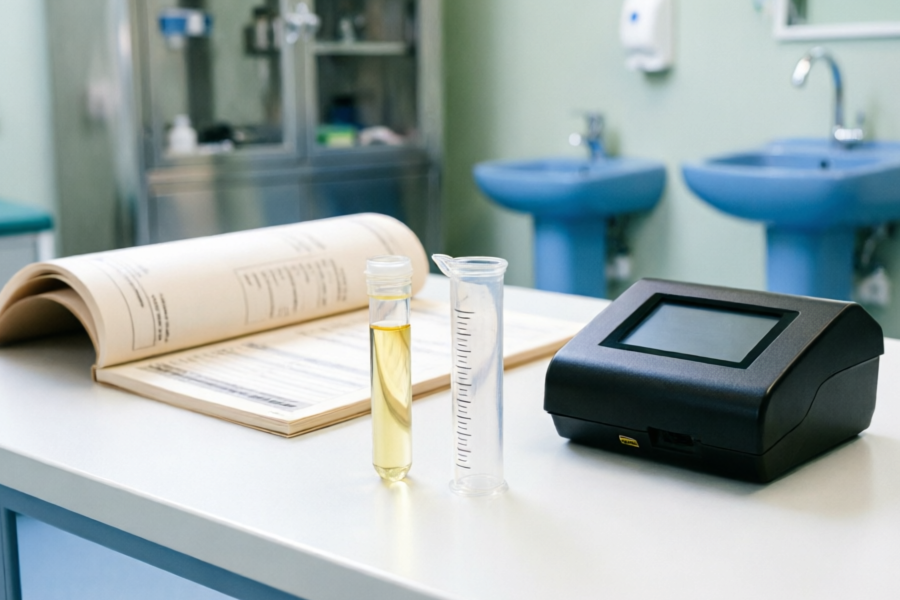
Blood tests are a core part of kidney function assessment.Serum creatinineIt is a muscle metabolite, and its elevated level often indicates a decrease in glomerular filtration function;Urea nitrogenAffected by protein intake and liver metabolism, it needs to be combined with creatinine analysis. More accurateEstimated glomerular filtration rate (eGFR)Calculated through age, gender, and creatinine value, it directly reflects the working efficiency of the kidneys. For example, eGFR <60 mL/min/1.73m² for 3 months can be diagnosed as chronic kidney disease. Some hospitals also test cystatin C (Cys C), which is more sensitive to early renal damage.
Urine test: early warning sign of kidney damage
Urinalysis can detect early kidney disease.Urine routineAbnormalities such as protein, red blood cells, and casts may indicate nephritis or nephrotic syndrome;Urinary microalbumin/creatinine ratio (UACR)It is the gold standard for diabetic nephropathy screening, and 30-300 mg/g is the microalbuminuria stage. A 24-hour urine protein quantification >3.5 g is consistent with the diagnosis of nephrotic syndrome. In addition, special items such as urine osmotic pressure and urinary NAG enzyme can further locate renal tubular damage. When collecting morning urine or 24-hour urine specimens, contamination must be avoided to ensure accurate results.
Imaging and other auxiliary examinations: a "perspective" of kidney structure
When laboratory indicators are abnormal, imaging examinations can determine the cause.Kidney ultrasoundNon-invasive and economical, capable of detecting stones, cysts or atrophy;CT/MRIHigher resolution for tumors or vascular lesions. In a few cases, a kidney biopsy is required to diagnose the type of nephritis through pathology. In addition,Renal nuclide scan (such as GFR measurement)It can quantify renal function and guide surgical decisions. Patients with hypertension need to detect the activity of the renin-angiotensin system to identify renal hypertension.
Comprehensive interpretation and precautions
Renal function tests require dynamic observation, as a single abnormality may be interfered by dehydration, infection, etc. Patients with chronic kidney disease should regularly monitor eGFR and urinary protein, and adjust their medication regimen (such as ACEI drugs). High-protein meals and strenuous exercise need to be avoided 3 days before the examination. At present, mainstream testing equipment includes Roche Cobas series, Siemens ADVIA biochemical analyzer, etc., and reagent brands include Beckman, Abbott, etc. If the results are abnormal, it is recommended that a nephrology specialist follow up and develop intervention measures based on clinical manifestations.
| Project | Reference value | clinical significance |
|---|---|---|
| Serum creatinine (Scr) | Male: 62-115 μmol/L Women: 53-97 μmol/L | An increase indicates a decrease in filtering function |
| Urea nitrogen (BUN) | 2.9-8.2 mmol/L | Greatly affected by diet and dehydration |
| eGFR | ≥90mL/min/1.73m² | <60 indicates decreased renal function |
| Urinary microalbumin | <30 mg/g Cr | 30-300 is early damage |
Quote sources:
1. "Chinese Guidelines for the Prevention and Treatment of Chronic Kidney Disease (2023 Edition)" - Nephrology Branch of the Chinese Medical Association
2. US NKF-KDOQI Clinical Practice Guidelines (2021)
3. Testing equipment: Roche Cobas c501 biochemical analyzer, Siemens Atellica solution
4. Expert opinion: Professor Wang Haiyan (Department of Nephrology, Peking University First Hospital)’s discussion on early kidney injury screening
Relevant knowledge
- 2026-10-01How do women take care of their skin scientifically?
- 2026-10-01What is female beauty?
- 2026-09-30How can women supplement calcium scientifically?
- 2026-09-30What is calcium supplementation?
- 2026-09-30How often should bone density checks be done?
- 2026-09-29How to prevent osteoporosis?
- 2026-09-29Why are women prone to osteoporosis?
- 2026-09-29What is osteoporosis?
- 2026-09-28Is hormone replacement therapy safe?
- 2026-09-28What is hormone replacement therapy?
- 2026-09-28How to manage menopause?
- 2026-09-28What are the symptoms of menopause?
- 2026-09-28What is menopause?
- 2026-09-28What does a postpartum review include?
- 2026-09-27What is a postpartum review?
- 2026-09-27Is pelvic floor muscle repair necessary?
- 2026-09-27What is postpartum pelvic floor muscle repair?
- 2026-09-27How to lose weight scientifically after giving birth?
Chinese medicinal materials
More-

View
The efficacy and function of purple beads
Overview of the efficacy and functions of purple beadsPurpurea is a plant with medicinal value. Its leaves, roots and fruits can be used as medicine. Its main functions includeStop bleeding, reduce inflammation, clear away heat and detoxify, dissipate blood stasis and reduce swellingWait.In traditional medicine, purple pearls are often used to treat symptoms such as traumatic bleeding, bruises, and sore throat. Modern research has also found that it contains active ingredients such as flavonoids
-
View
The efficacy and function of locust bean
Overview of the efficacy and functions of locust beanSophora bean, also known as Sophora japonica or Sophora japonica, is the mature fruit of Sophora japonica tree, a leguminous plant, and has various medicinal values in traditional medicine.Its main functions includeClears away heat and cools blood, moisturizes intestines and relieves constipation, lowers blood pressure, and resists oxidationetc., suitable for relieving symptoms such as hemorrhoids, bloody stools, and high blood pressure.Modern
-
View
The efficacy and function of Baiziren
Overview of the efficacy and functions of BaizirenBaiziren is the dried and mature seed kernel of Platycladus orientalis, a plant in the Cupressaceae family. Traditional Chinese medicine believes that it is flat in nature and sweet in taste, and can be used to regulate the heart, kidney, and large intestine meridians.Nourish the heart and calm the nerves, moisturize the intestines and relieve constipation, and nourish the liver and kidneysand other effects.Modern research shows that cypress seed
-
View
The efficacy and function of plum slices
Overview of the effects and functions of plum slicesPlum slices, also known as borneol or dipterocarp, is a traditional Chinese medicinal material that has the effects of rejuvenating the mind, clearing away heat and relieving pain, reducing swelling and promoting muscle growth.Its main component is dextroborneol, which is widely used in the fields of medicine, cosmetics and spices.The core functions of plum slices include relieving headaches, anti-inflammatory and sterilizing, promoting wound h
-
View
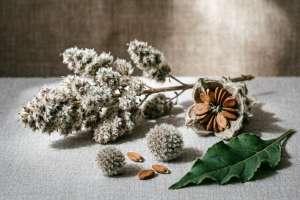
Efficacy and functions of Kochia bark
Overview of the efficacy and functions of Kochia barkKochia bark, also known as broom seedling, is a commonly used medicinal material in traditional Chinese medicine for clearing away heat and promoting dampness.Diuretic and relieve stranguria, dispel wind and relieve itching, clear away heat and detoxifyand other effects.It mainly acts on urinary system inflammation, skin itching and damp-heat jaundice, and is widely used clinically.Secondary functions include assisting in lowering blood sugar,
-
View
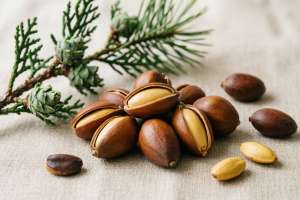
Efficacy and functions of Baiziren
Overview of the efficacy and functions of BaizirenBaiziren is the dried and mature seed kernel of Platycladus orientalis, a plant in the Cupressaceae family. Traditional Chinese medicine believes that it is flat in nature and sweet in taste, and can be used to regulate the heart, kidney, and large intestine meridians.Nourish the heart and calm the nerves, moisturize the intestines and relieve constipation, and nourish the liver and kidneysand other effects.Its main functions include improving sy
-
View
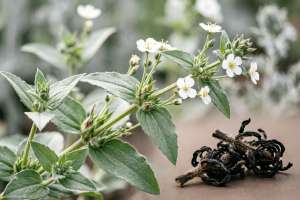
Eclipta Eclipta efficacy and functions
Overview of the efficacy and functions of EcliptaEclipta, also known as Eclipta or Eclipta, is a commonly used medicinal material in traditional Chinese medicine to nourish the liver and kidneys, cool blood and stop bleeding.Its core functions includeNourishes yin and nourishes kidney, blackens beard and hair, stops bleeding and reduces inflammation, the secondary effects involve improving hair loss, relieving gum bleeding and skin eczema.The primary and secondary structure is clear: liver and k
-

View
Function and role of hippocampus
Overview of the functions and functions of the hippocampusSeahorse is a precious marine creature recognized for its many benefits in both traditional medicine and modern research.Its main functions includeReplenishing kidneys and strengthening yang, anti-fatigue, regulating immunity, antioxidantetc., especially the effect of nourishing kidney and replenishing qi is the most prominent.In addition, the hippocampus also plays a certain role in improving blood circulation and relieving neurasthenia.
-
View
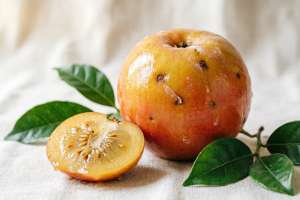
The effects and functions of fragrant fruit
Overview of the effects and functions of fragrant fruitXiangguo, also known as Ligusticum chuanxiong or Shannai, is a plant with both medicinal and edible value, and its rhizomes are often used in traditional Chinese medicine.Its main functions includePromotes blood circulation and removes blood stasis, dispels wind and relieves pain, improves blood circulation, the secondary effects involve relieving headaches, joint pain and women’s menstrual discomfort.The active ingredients of xiangguo, su
-
View
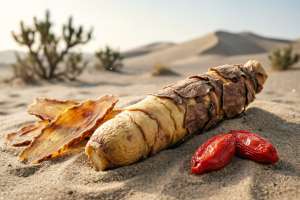
Efficacy and functions of Cistanche deserticola
Overview of the efficacy and functions of Cistanche deserticolaCistanche deserticola, also known as Cistanche deserticola, is a traditional Chinese medicinal material mainly produced in desert areas and is known as "desert ginseng".Its core functions includeReplenishing kidney yang, replenishing essence and blood, moistening intestines and laxative, the secondary effects involve anti-aging, regulating immunity, etc.This article will start from its medicinal value, suitable people, usage methods
-
View
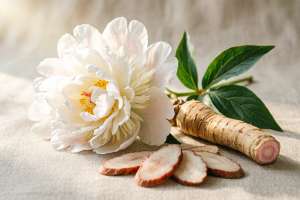
White peony effect and function
Overview of the efficacy and functions of white peony rootWhite peony root is a commonly used blood-nourishing and menstrual-regulating medicine in traditional Chinese medicine.Nourishes blood and softens liver, relieves pain, astringes yin and stops sweatingIt has core functions such as irregular menstruation, hypochondriac pain, spontaneous sweating and night sweats.Its functions can be divided into two categories: primary and secondary:Main functionsIncluding regulating female endocrine, reli
-
View
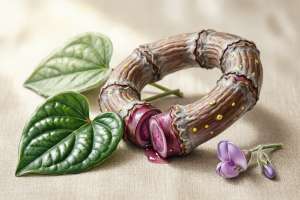
Efficacy and functions of Wu Hua Xue Teng
Overview of the efficacy and functions of SpatholobusFive-flowered bloodvine is a traditional Chinese medicinal material, which mainly hasPromotes blood circulation and removes blood stasis, unblocks collaterals to relieve pain, expels wind and removes dampnessIt has other effects and is often used to treat rheumatic arthralgia, bruises and irregular menstruation.Its core function is to promote blood circulation, relieve inflammation and pain, and its secondary functions include assisting in reg