
- Current location:Home page >> health information
How to recover from lumbar disc herniation?
2026-03-10 13:32:22
Rehabilitation Guide for Lumbar Disc Herniation: Scientific Methods and Daily Care
Lumbar disc herniation is a common spinal disease, which mainly manifests as low back pain, radiating pain or numbness in the lower limbs. Rehabilitation needs to be combinedacute phase remission,Functional restorationandlong term preventionIn three stages, the core methods include rest, physical therapy, exercise and lifestyle modification. In the acute stage, the main focus is to reduce inflammation and pain, and in the later stage, the waist and back muscles are gradually strengthened to avoid recurrence. The following is a detailed explanation from symptom management to rehabilitation training.
Acute Phase Management: Relieving Pain and Inflammation

In the early stages of the disease, it is necessarybed rest1-3 days to avoid muscle atrophy caused by lying down for a long time. Use nonsteroidal anti-inflammatory drugs (such as ibuprofen) or local cold/heat compresses as recommended by your doctor. In severe cases, epidural injection treatment may be considered (a professional physician is required). Avoid bending down, lifting heavy objects, etc. at this stage. If necessary, wear a waistband to provide support, but it should not be relied on for a long time.
Rehabilitation training: strengthening core muscles and flexibility
After the pain is relieved, proceed graduallylow intensity exercise, such as the McKenzie maneuver (stretching the waist), swimming or planking. Focus on exercising the core muscles such as the transversus abdominis and erector spinae to stabilize the spine. Avoid violent twisting or jumping movements, and static training such as "dead bug pose" and "bird dog pose" are recommended. Flexibility exercises such as yoga "Cat Cow Pose" can improve lumbar spine mobility and need to be performed under professional guidance.
Lifestyle habits and long-term prevention
daily maintenancecorrect posture: Use a lumbar support when sitting for a long time, and get up and move every hour; bend your knees and squat instead of bending when lifting heavy objects. Control your weight to reduce the load on your lumbar spine, and quit smoking to improve blood supply to the intervertebral disc. Choose a medium-firm mattress for sleep, and place a pillow between your knees when sleeping on your side to keep your spine in a neutral position. Check regularly and seek medical attention promptly if recurrence occurs.
Summary and Notes
Rehabilitation of lumbar disc herniation needs to be gradual, giving priority to pain relief in the acute phase, focusing on muscle exercise during the recovery phase, and long-term lifestyle adjustments. If conservative treatment is ineffective for 3-6 months, or cauda equina syndrome (incontinence, etc.) occurs, surgery needs to be considered. Individual differences are large, so it is recommended to formulate a plan under the guidance of a rehabilitation physician or physical therapist to avoid blindly following exercises and aggravating injuries.
| Common rehabilitation auxiliary products | Manufacturer example |
|---|---|
| Medical waist girth (belt support) | Össur, Bauerfeind |
| lumbar traction device | Panasonic, Yuyue Medical |
Quote sources:
1. "Guidelines for the Diagnosis and Treatment of Lumbar Disc Herniation in China" (Orthopedics Branch of the Chinese Medical Association, 2020)
2. American Physical Therapy Association (APTA) core stability training recommendations
3. McKenzie Therapy (Robin McKenzie, New Zealand Physiotherapist)
4. For product information, please refer to the filing data of the State Food and Drug Administration.
Relevant knowledge
- 2026-10-01What is female beauty?
- 2026-09-30How can women supplement calcium scientifically?
- 2026-09-30What is calcium supplementation?
- 2026-09-30How often should bone density checks be done?
- 2026-09-29How to prevent osteoporosis?
- 2026-09-29Why are women prone to osteoporosis?
- 2026-09-29What is osteoporosis?
- 2026-09-28Is hormone replacement therapy safe?
- 2026-09-28What is hormone replacement therapy?
- 2026-09-28How to manage menopause?
- 2026-09-28What are the symptoms of menopause?
- 2026-09-28What is menopause?
- 2026-09-28What does a postpartum review include?
- 2026-09-27What is a postpartum review?
- 2026-09-27Is pelvic floor muscle repair necessary?
- 2026-09-27What is postpartum pelvic floor muscle repair?
- 2026-09-27How to lose weight scientifically after giving birth?
- 2026-09-26What is postpartum weight loss?
Chinese medicinal materials
More-
View
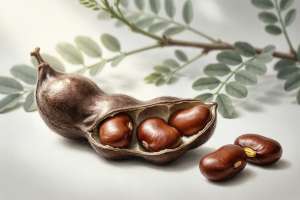
The efficacy and function of locust bean
Overview of the efficacy and functions of locust beanSophora bean, also known as Sophora japonica or Sophora japonica, is the mature fruit of Sophora japonica tree, a leguminous plant, and has various medicinal values in traditional medicine.Its main functions includeClears away heat and cools blood, moisturizes intestines and relieves constipation, lowers blood pressure, and resists oxidationetc., suitable for relieving symptoms such as hemorrhoids, bloody stools, and high blood pressure.Modern
-
View
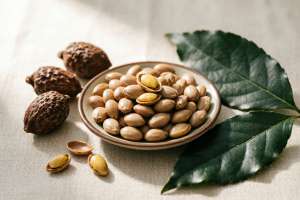
The efficacy and function of Baiziren
Overview of the efficacy and functions of BaizirenBaiziren is the dried and mature seed kernel of Platycladus orientalis, a plant in the Cupressaceae family. Traditional Chinese medicine believes that it is flat in nature and sweet in taste, and can be used to regulate the heart, kidney, and large intestine meridians.Nourish the heart and calm the nerves, moisturize the intestines and relieve constipation, and nourish the liver and kidneysand other effects.Modern research shows that cypress seed
-
View
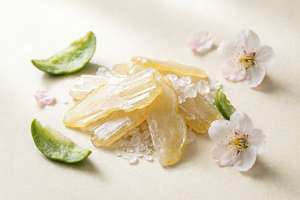
The efficacy and function of plum slices
Overview of the effects and functions of plum slicesPlum slices, also known as borneol or dipterocarp, is a traditional Chinese medicinal material that has the effects of rejuvenating the mind, clearing away heat and relieving pain, reducing swelling and promoting muscle growth.Its main component is dextroborneol, which is widely used in the fields of medicine, cosmetics and spices.The core functions of plum slices include relieving headaches, anti-inflammatory and sterilizing, promoting wound h
-
View
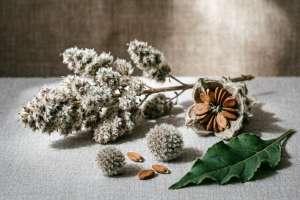
Efficacy and functions of Kochia bark
Overview of the efficacy and functions of Kochia barkKochia bark, also known as broom seedling, is a commonly used medicinal material in traditional Chinese medicine for clearing away heat and promoting dampness.Diuretic and relieve stranguria, dispel wind and relieve itching, clear away heat and detoxifyand other effects.It mainly acts on urinary system inflammation, skin itching and damp-heat jaundice, and is widely used clinically.Secondary functions include assisting in lowering blood sugar,
-
View
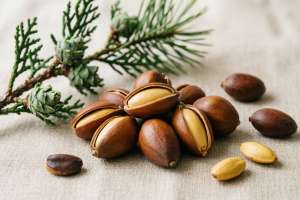
Efficacy and functions of Baiziren
Overview of the efficacy and functions of BaizirenBaiziren is the dried and mature seed kernel of Platycladus orientalis, a plant in the Cupressaceae family. Traditional Chinese medicine believes that it is flat in nature and sweet in taste, and can be used to regulate the heart, kidney, and large intestine meridians.Nourish the heart and calm the nerves, moisturize the intestines and relieve constipation, and nourish the liver and kidneysand other effects.Its main functions include improving sy
-
View
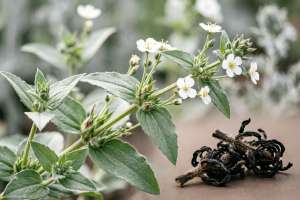
Eclipta Eclipta efficacy and functions
Overview of the efficacy and functions of EcliptaEclipta, also known as Eclipta or Eclipta, is a commonly used medicinal material in traditional Chinese medicine to nourish the liver and kidneys, cool blood and stop bleeding.Its core functions includeNourishes yin and nourishes kidney, blackens beard and hair, stops bleeding and reduces inflammation, the secondary effects involve improving hair loss, relieving gum bleeding and skin eczema.The primary and secondary structure is clear: liver and k
-

View
Function and role of hippocampus
Overview of the functions and functions of the hippocampusSeahorse is a precious marine creature recognized for its many benefits in both traditional medicine and modern research.Its main functions includeReplenishing kidneys and strengthening yang, anti-fatigue, regulating immunity, antioxidantetc., especially the effect of nourishing kidney and replenishing qi is the most prominent.In addition, the hippocampus also plays a certain role in improving blood circulation and relieving neurasthenia.
-
View
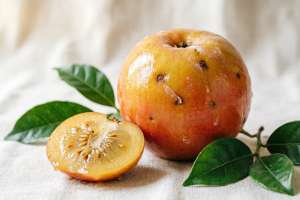
The effects and functions of fragrant fruit
Overview of the effects and functions of fragrant fruitXiangguo, also known as Ligusticum chuanxiong or Shannai, is a plant with both medicinal and edible value, and its rhizomes are often used in traditional Chinese medicine.Its main functions includePromotes blood circulation and removes blood stasis, dispels wind and relieves pain, improves blood circulation, the secondary effects involve relieving headaches, joint pain and women’s menstrual discomfort.The active ingredients of xiangguo, su
-
View
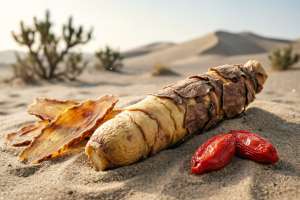
Efficacy and functions of Cistanche deserticola
Overview of the efficacy and functions of Cistanche deserticolaCistanche deserticola, also known as Cistanche deserticola, is a traditional Chinese medicinal material mainly produced in desert areas and is known as "desert ginseng".Its core functions includeReplenishing kidney yang, replenishing essence and blood, moistening intestines and laxative, the secondary effects involve anti-aging, regulating immunity, etc.This article will start from its medicinal value, suitable people, usage methods
-
View
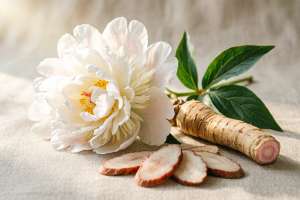
White peony effect and function
Overview of the efficacy and functions of white peony rootWhite peony root is a commonly used blood-nourishing and menstrual-regulating medicine in traditional Chinese medicine.Nourishes blood and softens liver, relieves pain, astringes yin and stops sweatingIt has core functions such as irregular menstruation, hypochondriac pain, spontaneous sweating and night sweats.Its functions can be divided into two categories: primary and secondary:Main functionsIncluding regulating female endocrine, reli
-
View
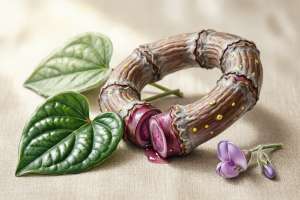
Efficacy and functions of Wu Hua Xue Teng
Overview of the efficacy and functions of SpatholobusFive-flowered bloodvine is a traditional Chinese medicinal material, which mainly hasPromotes blood circulation and removes blood stasis, unblocks collaterals to relieve pain, expels wind and removes dampnessIt has other effects and is often used to treat rheumatic arthralgia, bruises and irregular menstruation.Its core function is to promote blood circulation, relieve inflammation and pain, and its secondary functions include assisting in reg
-
View
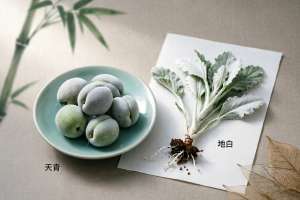
The efficacy and function of Tianqingdibai
Overview of the efficacy and functions of TianqingdibaiTianqing Dibai is a traditional Chinese medicinal material that has the effects of clearing heat and detoxifying, cooling blood and stopping bleeding, reducing swelling and dissipating stagnation. It is often used to treat sore throat, carbuncle sores, bruises and other diseases.Its main components include flavonoids, organic acids and other active substances. Modern research shows that it has certain anti-inflammatory and antibacterial effe