
- Current location:Home page >> health information
What is frozen shoulder?
2026-03-10 21:09:31
Overview and content structure of frozen shoulder
Frozen shoulder, commonly known as "frozen shoulder" or "frozen shoulder", is a common disease with shoulder joint pain and limited movement as the main symptoms. It mostly occurs in people around the age of 50. Its core manifestations are shoulder stiffness, pain and dysfunction, and the course of the disease can be divided into acute phase, freezing phase and recovery phase. This article will start fromDefinition and Causes,Typical symptoms,Diagnosis and treatment,PrecautionsIt is developed from four aspects, focusing on analyzing the pathogenesis of frozen shoulder and scientific response methods to help readers systematically understand this disease.
1. Definition and causes of frozen shoulder
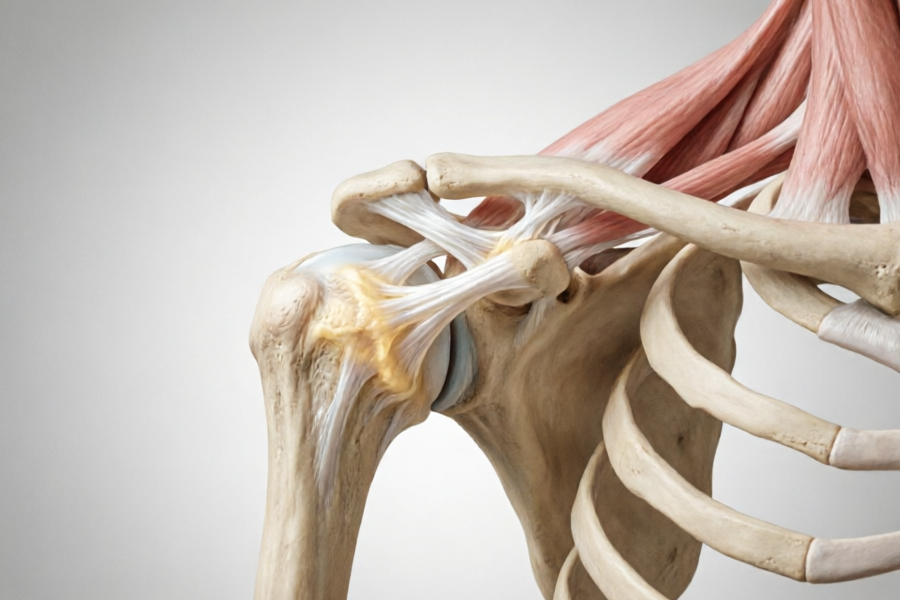
Frozen shoulder is a chronic aseptic inflammation of the soft tissues around the shoulder joint (such as tendons, bursae, etc.), leading to adhesive capsulitis and contracture. Common causes include age degeneration, long-term strain, trauma, or chronic diseases such as diabetes. In addition, cold shoulder and poor posture may also cause it. The incidence rate is slightly higher in women than in men, and the left shoulder joint is more likely to be affected. Early symptoms are mostly dull pain, which gradually develops into night pain and mobility impairment, seriously affecting daily life.
2. Typical symptoms and disease course staging
The course of frozen shoulder is usually divided into three stages:pain period(lasts for 2-9 months, mainly dull pain in the shoulder),stiffness period(Obviously limited joint movement, such as difficulty in combing hair and dressing) andrecovery period(Symptoms resolve slowly, taking about 6 months to 2 years). Some patients may have mild functional impairment. The pain often radiates to the neck and upper arms, and worsens when the weather changes. On clinical examination, the "shoulder carrying" phenomenon (compensatory elevation of the scapula) can be seen.
3. Diagnosis and treatment plan
Diagnosis requires a combination of medical history, physical examination and imaging (such as X-ray or MRI to rule out other diseases). treatment withConservative treatmentMainly, including oral non-steroidal anti-inflammatory drugs (such as ibuprofen), local occlusion injection, physical therapy (ultrashort wave, acupuncture) and functional exercise (wall climbing exercise, pendulum exercise). A few severe cases require minimally invasive arthroscopic surgery to release adhesions. Note: Massage must be performed by a professional physician to avoid violent pulling and aggravation of injury.
4. Prevention and daily care suggestions
To prevent frozen shoulder, you need to avoid excessive strain on the shoulder, keep warm and prevent cold, and diabetic patients should strictly control their blood sugar. Office workers need to adjust their sitting posture and move their shoulder joints for 5 minutes every hour. Hot compresses can be used to relieve pain in the acute phase, and stretching exercises can be maintained during the recovery phase. It is recommended to supplement the diet with vitamin D and calcium to enhance bone health. If the symptoms persist and are not relieved, you should seek medical treatment promptly to avoid misdiagnosis as cervical spondylosis or rotator cuff injury.
Summary and reminder
Although frozen shoulder is self-limiting, standard treatment can shorten the course and reduce sequelae. Patients need to be patient and avoid using folk remedies or over-treatment in a hurry. A daily combination of moderate exercise and scientific care is key. If drug intervention is required, it must be used under the guidance of a doctor, such asFlurbiprofen gel patch(Manufacturer: Japan Mikasa Pharmaceutical) orDiclofenac sodium extended-release tablets(Manufacturer: Beijing Novartis Pharmaceuticals) etc.
| Common treatment drugs | Manufacturer |
|---|---|
| Flurbiprofen gel patch | Japan Mikasa Pharmaceutical |
| Diclofenac sodium extended-release tablets | Beijing Novartis Pharmaceuticals |
Quote sources:
1. "Practical Orthopedics" (People's Medical Publishing House, written by Tian Wei)
2. "Guidelines for the Diagnosis and Treatment of Frozen Shoulder" (2021 Edition) by the Orthopedic Branch of the Chinese Medical Association
3. Clinical data reference: Statistical Report of the Sports Medicine Department of Beijing Jishuitan Hospital (2022)
Relevant knowledge
- 2026-10-01What is female beauty?
- 2026-09-30How can women supplement calcium scientifically?
- 2026-09-30What is calcium supplementation?
- 2026-09-30How often should bone density checks be done?
- 2026-09-29How to prevent osteoporosis?
- 2026-09-29Why are women prone to osteoporosis?
- 2026-09-29What is osteoporosis?
- 2026-09-28Is hormone replacement therapy safe?
- 2026-09-28What is hormone replacement therapy?
- 2026-09-28How to manage menopause?
- 2026-09-28What are the symptoms of menopause?
- 2026-09-28What is menopause?
- 2026-09-28What does a postpartum review include?
- 2026-09-27What is a postpartum review?
- 2026-09-27Is pelvic floor muscle repair necessary?
- 2026-09-27What is postpartum pelvic floor muscle repair?
- 2026-09-27How to lose weight scientifically after giving birth?
- 2026-09-26What is postpartum weight loss?
Chinese medicinal materials
More-
View
The efficacy and function of locust bean
Overview of the efficacy and functions of locust beanSophora bean, also known as Sophora japonica or Sophora japonica, is the mature fruit of Sophora japonica tree, a leguminous plant, and has various medicinal values in traditional medicine.Its main functions includeClears away heat and cools blood, moisturizes intestines and relieves constipation, lowers blood pressure, and resists oxidationetc., suitable for relieving symptoms such as hemorrhoids, bloody stools, and high blood pressure.Modern
-

View
The efficacy and function of Baiziren
Overview of the efficacy and functions of BaizirenBaiziren is the dried and mature seed kernel of Platycladus orientalis, a plant in the Cupressaceae family. Traditional Chinese medicine believes that it is flat in nature and sweet in taste, and can be used to regulate the heart, kidney, and large intestine meridians.Nourish the heart and calm the nerves, moisturize the intestines and relieve constipation, and nourish the liver and kidneysand other effects.Modern research shows that cypress seed
-

View
The efficacy and function of plum slices
Overview of the effects and functions of plum slicesPlum slices, also known as borneol or dipterocarp, is a traditional Chinese medicinal material that has the effects of rejuvenating the mind, clearing away heat and relieving pain, reducing swelling and promoting muscle growth.Its main component is dextroborneol, which is widely used in the fields of medicine, cosmetics and spices.The core functions of plum slices include relieving headaches, anti-inflammatory and sterilizing, promoting wound h
-

View
Efficacy and functions of Kochia bark
Overview of the efficacy and functions of Kochia barkKochia bark, also known as broom seedling, is a commonly used medicinal material in traditional Chinese medicine for clearing away heat and promoting dampness.Diuretic and relieve stranguria, dispel wind and relieve itching, clear away heat and detoxifyand other effects.It mainly acts on urinary system inflammation, skin itching and damp-heat jaundice, and is widely used clinically.Secondary functions include assisting in lowering blood sugar,
-

View
Efficacy and functions of Baiziren
Overview of the efficacy and functions of BaizirenBaiziren is the dried and mature seed kernel of Platycladus orientalis, a plant in the Cupressaceae family. Traditional Chinese medicine believes that it is flat in nature and sweet in taste, and can be used to regulate the heart, kidney, and large intestine meridians.Nourish the heart and calm the nerves, moisturize the intestines and relieve constipation, and nourish the liver and kidneysand other effects.Its main functions include improving sy
-

View
Eclipta Eclipta efficacy and functions
Overview of the efficacy and functions of EcliptaEclipta, also known as Eclipta or Eclipta, is a commonly used medicinal material in traditional Chinese medicine to nourish the liver and kidneys, cool blood and stop bleeding.Its core functions includeNourishes yin and nourishes kidney, blackens beard and hair, stops bleeding and reduces inflammation, the secondary effects involve improving hair loss, relieving gum bleeding and skin eczema.The primary and secondary structure is clear: liver and k
-

View
Function and role of hippocampus
Overview of the functions and functions of the hippocampusSeahorse is a precious marine creature recognized for its many benefits in both traditional medicine and modern research.Its main functions includeReplenishing kidneys and strengthening yang, anti-fatigue, regulating immunity, antioxidantetc., especially the effect of nourishing kidney and replenishing qi is the most prominent.In addition, the hippocampus also plays a certain role in improving blood circulation and relieving neurasthenia.
-

View
The effects and functions of fragrant fruit
Overview of the effects and functions of fragrant fruitXiangguo, also known as Ligusticum chuanxiong or Shannai, is a plant with both medicinal and edible value, and its rhizomes are often used in traditional Chinese medicine.Its main functions includePromotes blood circulation and removes blood stasis, dispels wind and relieves pain, improves blood circulation, the secondary effects involve relieving headaches, joint pain and women’s menstrual discomfort.The active ingredients of xiangguo, su
-

View
Efficacy and functions of Cistanche deserticola
Overview of the efficacy and functions of Cistanche deserticolaCistanche deserticola, also known as Cistanche deserticola, is a traditional Chinese medicinal material mainly produced in desert areas and is known as "desert ginseng".Its core functions includeReplenishing kidney yang, replenishing essence and blood, moistening intestines and laxative, the secondary effects involve anti-aging, regulating immunity, etc.This article will start from its medicinal value, suitable people, usage methods
-

View
White peony effect and function
Overview of the efficacy and functions of white peony rootWhite peony root is a commonly used blood-nourishing and menstrual-regulating medicine in traditional Chinese medicine.Nourishes blood and softens liver, relieves pain, astringes yin and stops sweatingIt has core functions such as irregular menstruation, hypochondriac pain, spontaneous sweating and night sweats.Its functions can be divided into two categories: primary and secondary:Main functionsIncluding regulating female endocrine, reli
-

View
Efficacy and functions of Wu Hua Xue Teng
Overview of the efficacy and functions of SpatholobusFive-flowered bloodvine is a traditional Chinese medicinal material, which mainly hasPromotes blood circulation and removes blood stasis, unblocks collaterals to relieve pain, expels wind and removes dampnessIt has other effects and is often used to treat rheumatic arthralgia, bruises and irregular menstruation.Its core function is to promote blood circulation, relieve inflammation and pain, and its secondary functions include assisting in reg
-
View
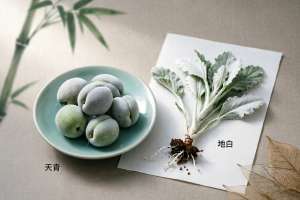
The efficacy and function of Tianqingdibai
Overview of the efficacy and functions of TianqingdibaiTianqing Dibai is a traditional Chinese medicinal material that has the effects of clearing heat and detoxifying, cooling blood and stopping bleeding, reducing swelling and dissipating stagnation. It is often used to treat sore throat, carbuncle sores, bruises and other diseases.Its main components include flavonoids, organic acids and other active substances. Modern research shows that it has certain anti-inflammatory and antibacterial effe