
- Current location:Home page >> health information
What is the psychological impact of exercise?
2026-03-16 19:06:37
The psychological impact of exercise: from emotion regulation to cognitive enhancement
Exercise not only improves physical fitness, but also has many positive effects on mental health. Research shows that regular exercise can relieve anxiety and depression, lift mood, boost self-confidence, and improve cognitive function. The main contents include:emotion regulation(such as releasing endorphins),stress relief(reduces cortisol levels),social interaction(psychological support for team sports) andcognitive benefits(such as improving memory and concentration). These effects complement each other and work together to promote overall improvements in mental health.
Mood regulation: Exercise is a natural antidepressant

Exercise can stimulate the brain to release neurotransmitters such as endorphins, serotonin and dopamine. These substances are called "happy hormones" and can effectively relieve low mood. For example, aerobic exercise (such as running, swimming) has been shown to significantly improve mild to moderate depression. Research from Harvard University points out that people who exercise 3-5 times a week for 30 minutes each time have significantly higher emotional stability than people who sit for long periods of time. In addition, exercise can distract attention and help individuals free themselves from negative thoughts.
Stress Relief: Exercise is the body’s “stress relief valve”
Chronic stress can lead to elevated cortisol levels, and exercise can reduce cortisol secretion by regulating the endocrine system. Low-intensity exercises such as yoga and tai chi are particularly suitable for relieving stress because they combine breath control and meditation to activate the parasympathetic nervous system and promote physical and mental relaxation. According to a survey by the American Psychological Association (APA), 75% of respondents reported a significant decrease in stress levels after exercise. Even a short walk can quickly reduce tension.
Social and Cognitive: The Added Psychological Value of Exercise
Team sports (such as basketball, football) or group classes (such as aerobics) can increase a sense of social belonging and reduce feelings of loneliness. Psychological research shows that when social interaction is combined with exercise, the psychological benefits are multiplied. In addition, the improvement of cognitive function of the brain through exercise cannot be ignored. For example, aerobic exercise promotes the growth of neurons in the hippocampus, which improves memory and learning. A study of older adults found that those who walked consistently performed better on cognitive tests than those who sat for long periods of time.
Summary: Exercise is a comprehensive solution for mental health
The psychological impact of exercise is comprehensive, from immediate mood enhancement to long-term cognitive protection to the enhancement of social support. Whether it’s high-intensity training or gentle activity, the key is regularity and consistency. It is recommended to choose a suitable form of exercise based on personal circumstances. For example, people with anxiety can try yoga, and people with depression can start with aerobic exercise. Mental health experts generally agree that exercise should be considered an important component of psychological intervention, complementary to medication or psychological counseling.
Quote sources:
1. Harvard Medical School: "Study on Exercise and Depression Relief" (2018)
2. American Psychological Association (APA): "Stress and Exercise Survey Report" (2020)
3. Celebrity views: Psychologist Mihaly Csikszentmihalyi proposed the "flow" theory to explain the relationship between concentration and pleasure in sports.
4. Related products: fitness equipment from sports brands such as Nike and Adidas; mental health application Headspace provides sports meditation courses.
| exercise type | Psychological benefits | Recommended duration |
|---|---|---|
| Aerobic exercise (running, swimming) | Relieve depression and improve mood | 150 minutes per week |
| Yoga/Tai Chi | Reduce stress and improve sleep | 60-90 minutes per week |
| Team sports (basketball, football) | Enhance social interaction and reduce loneliness | 1-2 times a week |
Relevant knowledge
- 2026-10-01What is female beauty?
- 2026-09-30How can women supplement calcium scientifically?
- 2026-09-30What is calcium supplementation?
- 2026-09-30How often should bone density checks be done?
- 2026-09-29How to prevent osteoporosis?
- 2026-09-29Why are women prone to osteoporosis?
- 2026-09-29What is osteoporosis?
- 2026-09-28Is hormone replacement therapy safe?
- 2026-09-28What is hormone replacement therapy?
- 2026-09-28How to manage menopause?
- 2026-09-28What are the symptoms of menopause?
- 2026-09-28What is menopause?
- 2026-09-28What does a postpartum review include?
- 2026-09-27What is a postpartum review?
- 2026-09-27Is pelvic floor muscle repair necessary?
- 2026-09-27What is postpartum pelvic floor muscle repair?
- 2026-09-27How to lose weight scientifically after giving birth?
- 2026-09-26What is postpartum weight loss?
Chinese medicinal materials
More-
View
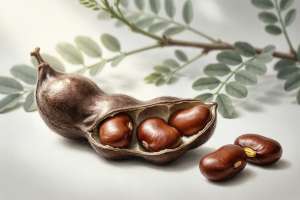
The efficacy and function of locust bean
Overview of the efficacy and functions of locust beanSophora bean, also known as Sophora japonica or Sophora japonica, is the mature fruit of Sophora japonica tree, a leguminous plant, and has various medicinal values in traditional medicine.Its main functions includeClears away heat and cools blood, moisturizes intestines and relieves constipation, lowers blood pressure, and resists oxidationetc., suitable for relieving symptoms such as hemorrhoids, bloody stools, and high blood pressure.Modern
-
View
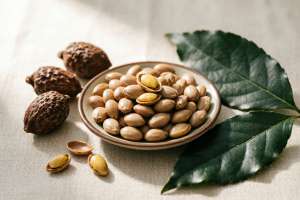
The efficacy and function of Baiziren
Overview of the efficacy and functions of BaizirenBaiziren is the dried and mature seed kernel of Platycladus orientalis, a plant in the Cupressaceae family. Traditional Chinese medicine believes that it is flat in nature and sweet in taste, and can be used to regulate the heart, kidney, and large intestine meridians.Nourish the heart and calm the nerves, moisturize the intestines and relieve constipation, and nourish the liver and kidneysand other effects.Modern research shows that cypress seed
-
View
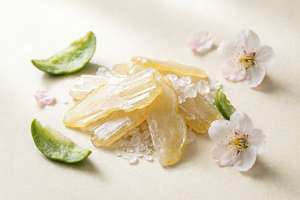
The efficacy and function of plum slices
Overview of the effects and functions of plum slicesPlum slices, also known as borneol or dipterocarp, is a traditional Chinese medicinal material that has the effects of rejuvenating the mind, clearing away heat and relieving pain, reducing swelling and promoting muscle growth.Its main component is dextroborneol, which is widely used in the fields of medicine, cosmetics and spices.The core functions of plum slices include relieving headaches, anti-inflammatory and sterilizing, promoting wound h
-
View
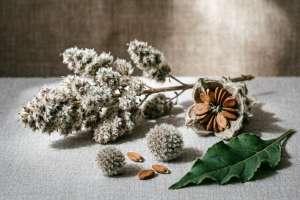
Efficacy and functions of Kochia bark
Overview of the efficacy and functions of Kochia barkKochia bark, also known as broom seedling, is a commonly used medicinal material in traditional Chinese medicine for clearing away heat and promoting dampness.Diuretic and relieve stranguria, dispel wind and relieve itching, clear away heat and detoxifyand other effects.It mainly acts on urinary system inflammation, skin itching and damp-heat jaundice, and is widely used clinically.Secondary functions include assisting in lowering blood sugar,
-
View
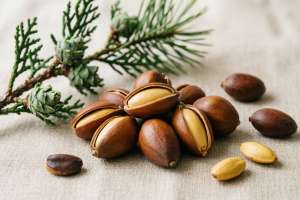
Efficacy and functions of Baiziren
Overview of the efficacy and functions of BaizirenBaiziren is the dried and mature seed kernel of Platycladus orientalis, a plant in the Cupressaceae family. Traditional Chinese medicine believes that it is flat in nature and sweet in taste, and can be used to regulate the heart, kidney, and large intestine meridians.Nourish the heart and calm the nerves, moisturize the intestines and relieve constipation, and nourish the liver and kidneysand other effects.Its main functions include improving sy
-
View
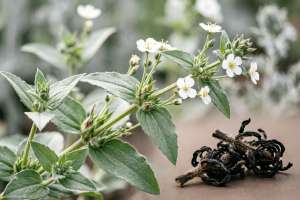
Eclipta Eclipta efficacy and functions
Overview of the efficacy and functions of EcliptaEclipta, also known as Eclipta or Eclipta, is a commonly used medicinal material in traditional Chinese medicine to nourish the liver and kidneys, cool blood and stop bleeding.Its core functions includeNourishes yin and nourishes kidney, blackens beard and hair, stops bleeding and reduces inflammation, the secondary effects involve improving hair loss, relieving gum bleeding and skin eczema.The primary and secondary structure is clear: liver and k
-

View
Function and role of hippocampus
Overview of the functions and functions of the hippocampusSeahorse is a precious marine creature recognized for its many benefits in both traditional medicine and modern research.Its main functions includeReplenishing kidneys and strengthening yang, anti-fatigue, regulating immunity, antioxidantetc., especially the effect of nourishing kidney and replenishing qi is the most prominent.In addition, the hippocampus also plays a certain role in improving blood circulation and relieving neurasthenia.
-
View
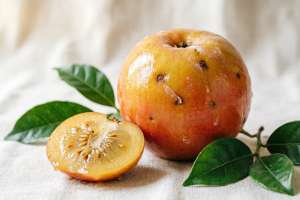
The effects and functions of fragrant fruit
Overview of the effects and functions of fragrant fruitXiangguo, also known as Ligusticum chuanxiong or Shannai, is a plant with both medicinal and edible value, and its rhizomes are often used in traditional Chinese medicine.Its main functions includePromotes blood circulation and removes blood stasis, dispels wind and relieves pain, improves blood circulation, the secondary effects involve relieving headaches, joint pain and women’s menstrual discomfort.The active ingredients of xiangguo, su
-

View
Efficacy and functions of Cistanche deserticola
Overview of the efficacy and functions of Cistanche deserticolaCistanche deserticola, also known as Cistanche deserticola, is a traditional Chinese medicinal material mainly produced in desert areas and is known as "desert ginseng".Its core functions includeReplenishing kidney yang, replenishing essence and blood, moistening intestines and laxative, the secondary effects involve anti-aging, regulating immunity, etc.This article will start from its medicinal value, suitable people, usage methods
-
View
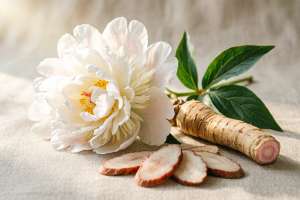
White peony effect and function
Overview of the efficacy and functions of white peony rootWhite peony root is a commonly used blood-nourishing and menstrual-regulating medicine in traditional Chinese medicine.Nourishes blood and softens liver, relieves pain, astringes yin and stops sweatingIt has core functions such as irregular menstruation, hypochondriac pain, spontaneous sweating and night sweats.Its functions can be divided into two categories: primary and secondary:Main functionsIncluding regulating female endocrine, reli
-
View
Efficacy and functions of Wu Hua Xue Teng
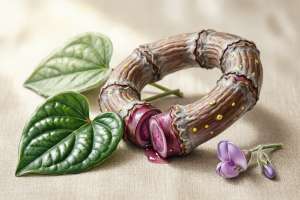
Overview of the efficacy and functions of SpatholobusFive-flowered bloodvine is a traditional Chinese medicinal material, which mainly hasPromotes blood circulation and removes blood stasis, unblocks collaterals to relieve pain, expels wind and removes dampnessIt has other effects and is often used to treat rheumatic arthralgia, bruises and irregular menstruation.Its core function is to promote blood circulation, relieve inflammation and pain, and its secondary functions include assisting in reg
-
View
The efficacy and function of Tianqingdibai
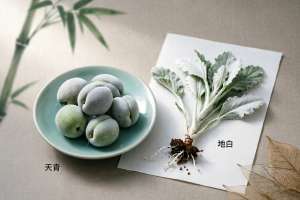
Overview of the efficacy and functions of TianqingdibaiTianqing Dibai is a traditional Chinese medicinal material that has the effects of clearing heat and detoxifying, cooling blood and stopping bleeding, reducing swelling and dissipating stagnation. It is often used to treat sore throat, carbuncle sores, bruises and other diseases.Its main components include flavonoids, organic acids and other active substances. Modern research shows that it has certain anti-inflammatory and antibacterial effe