
- Current location:Home page >> Traditional Chinese Medicine Health Care
What is the difference between red ginseng and white ginseng?
2026-04-24 23:16:25
The difference between red ginseng and white ginseng: primary and secondary content structure
Red ginseng and white ginseng are both processed types of ginseng, but due to differences in technology and efficacy, they have different uses in traditional Chinese medicine health care. Red ginseng is made from fresh ginseng that has been steamed and dried. It is reddish-brown in color and warm in nature to nourish qi. White ginseng is directly dried in the sun or oven to retain its original color and has a neutral and nourishing nature. The core difference isProcessing method(Red ginseng steamed, white ginseng naturally dried),medicinal properties(warming vs calming) andApplicable people(Those with a cold body should take red ginseng, while those with yin deficiency and excessive fire should take white ginseng). Secondary differences include appearance, taste and market price. Red ginseng is usually more expensive due to its complicated process.
Differences in processing technology and appearance
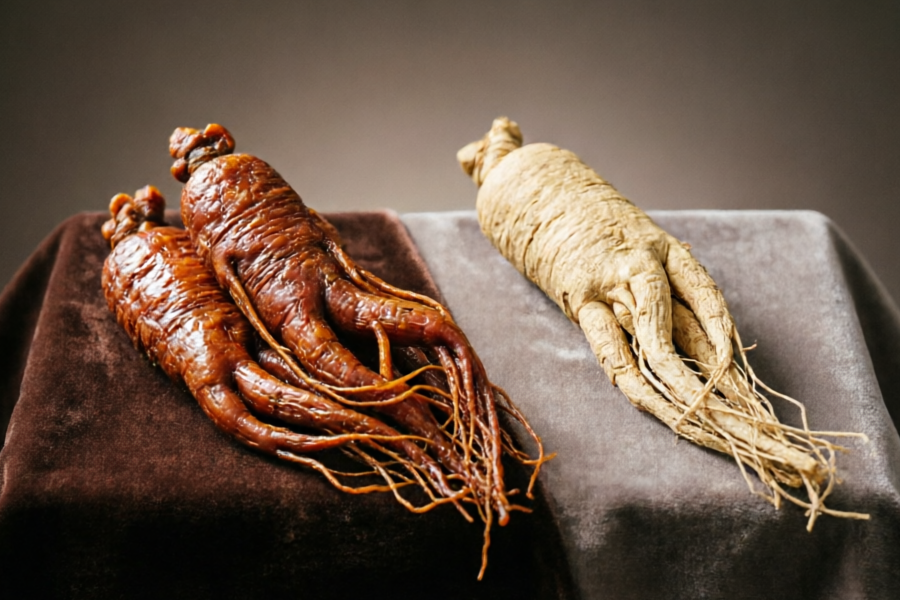
The unique reddish-brown color of red ginseng comes from theMaillard reaction, its texture is hard and its cross section is horny; while white ginseng remains light yellow or off-white because it has not been treated at high temperatures, and its texture is brittle. For example, South Korea's Zhengguanzhuang red ginseng is steamed from six-year-old roots, while Jilin's Changbai Mountain white ginseng is mostly four-year-old sun-dried ginseng. Processing differences directly affect ingredients: in red ginsengGinsenoside Rg3It has higher anti-fatigue ingredients, while white ginseng retains more native active substances such asPolysaccharides.
Comparison of medicinal properties and efficacy
Red ginseng is warm in nature, returns to the spleen and lung meridians, and is good atReplenish vitality, suitable for people who are weak after surgery and have cold hands and feet. The typical product is Tongrentang "Red Ginseng Tablets"; white ginseng is cool and moist, focusing onProduce fluid and quench thirst, suitable for people with dry mouth and easy to get angry, such as Xu's Ginseng Industry's "White Ginseng Powder". According to the "Chinese Pharmacopoeia", red ginseng is more suitable for "qi deficiency and yang deficiency" syndrome, while white ginseng is recommended in "Compendium of Materia Medica" for "yin deficiency and internal heat". Note: Patients with high blood pressure should use red ginseng with caution and avoid excessive warming.
Applicable scenarios and classic compatibility
Red ginseng is commonly used as a tonic in winter, and can be paired with astragalus stewed chicken to enhance the Qi-tonifying effect; white ginseng is mostly used as a tonic in summer, such as forming "Mai Sheng Yin" with Ophiopogon japonicus and Schisandra chinensis. Market data shows:
| Category | Representative products | Manufacturer | Reference price (yuan/50g) |
|---|---|---|---|
| red ginseng | Cheongkwanjang Korean red ginseng | Korean Ginseng Corporation | 600-800 |
| white ginseng | Xinkaihe white ginseng | Jilin Ji'an Yisheng Pharmaceutical | 200-300 |
Summary and selection suggestions
Red ginseng and white ginseng each have their own emphasis, and the choice should be based on physical constitution and season. Red ginseng is preferred for those who are cold and prone to fatigue, while white ginseng is preferred for those with yin deficiency or for health maintenance in summer. Be sure when purchasingNational Food and Drug Administration certificationBrands, such as Kangmei Pharmaceutical, Hu Qingyutang, etc. Remember: Ginseng products need to be taken in appropriate amounts over a long period of time. A single overdose may cause dryness and heat. Sources cited: "Chinese Pharmacopoeia" 2020 edition, Li Shizhen's "Compendium of Materia Medica", Korean Ginseng Association (KGA) official website data.
Relevant knowledge
- 2026-10-01How to maintain health at the beginning of autumn?
- 2026-09-30How to maintain health during the hot summer?
- 2026-09-30How to maintain health during Xiaoshu?
- 2026-09-30How to maintain health during the summer solstice?
- 2026-09-29How to maintain the health of Eargrass?
- 2026-09-29How does Xiaoman maintain his health?
- 2026-09-29How to maintain health in Beginning of Summer?
- 2026-09-29How to maintain health during Guyu?
- 2026-09-28How to maintain health during Qingming Festival?
- 2026-09-28How to maintain health during the Spring Equinox?
- 2026-09-28How to maintain health in Jingzhe?
- 2026-09-28How to maintain health through rainwater?
- 2026-09-28How to maintain health at the beginning of spring?
- 2026-09-28What is the relationship between the twenty-four solar terms and health preservation?
- 2026-09-27How to prevent cold evil in winter?
- 2026-09-27How to take care of your emotions in winter?
- 2026-09-27What should you pay attention to when dressing in winter?
- 2026-09-26What should you pay attention to when sleeping in winter?
Chinese medicinal materials
More-
View
The efficacy and function of purple beads
Overview of the efficacy and functions of purple beadsPurpurea is a plant with medicinal value. Its leaves, roots and fruits can be used as medicine. Its main functions includeStop bleeding, reduce inflammation, clear away heat and detoxify, dissipate blood stasis and reduce swellingWait.In traditional medicine, purple pearls are often used to treat symptoms such as traumatic bleeding, bruises, and sore throat. Modern research has also found that it contains active ingredients such as flavonoids
-
View
The efficacy and function of locust bean
Overview of the efficacy and functions of locust beanSophora bean, also known as Sophora japonica or Sophora japonica, is the mature fruit of Sophora japonica tree, a leguminous plant, and has various medicinal values in traditional medicine.Its main functions includeClears away heat and cools blood, moisturizes intestines and relieves constipation, lowers blood pressure, and resists oxidationetc., suitable for relieving symptoms such as hemorrhoids, bloody stools, and high blood pressure.Modern
-
View
The efficacy and function of Baiziren
Overview of the efficacy and functions of BaizirenBaiziren is the dried and mature seed kernel of Platycladus orientalis, a plant in the Cupressaceae family. Traditional Chinese medicine believes that it is flat in nature and sweet in taste, and can be used to regulate the heart, kidney, and large intestine meridians.Nourish the heart and calm the nerves, moisturize the intestines and relieve constipation, and nourish the liver and kidneysand other effects.Modern research shows that cypress seed
-
View
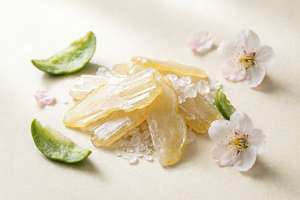
The efficacy and function of plum slices
Overview of the effects and functions of plum slicesPlum slices, also known as borneol or dipterocarp, is a traditional Chinese medicinal material that has the effects of rejuvenating the mind, clearing away heat and relieving pain, reducing swelling and promoting muscle growth.Its main component is dextroborneol, which is widely used in the fields of medicine, cosmetics and spices.The core functions of plum slices include relieving headaches, anti-inflammatory and sterilizing, promoting wound h
-
View
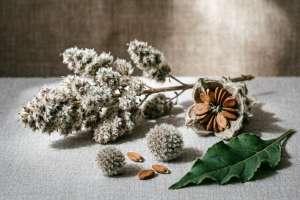
Efficacy and functions of Kochia bark
Overview of the efficacy and functions of Kochia barkKochia bark, also known as broom seedling, is a commonly used medicinal material in traditional Chinese medicine for clearing away heat and promoting dampness.Diuretic and relieve stranguria, dispel wind and relieve itching, clear away heat and detoxifyand other effects.It mainly acts on urinary system inflammation, skin itching and damp-heat jaundice, and is widely used clinically.Secondary functions include assisting in lowering blood sugar,
-
View
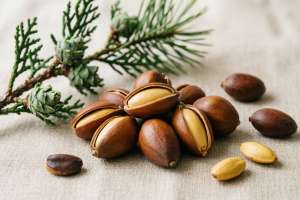
Efficacy and functions of Baiziren
Overview of the efficacy and functions of BaizirenBaiziren is the dried and mature seed kernel of Platycladus orientalis, a plant in the Cupressaceae family. Traditional Chinese medicine believes that it is flat in nature and sweet in taste, and can be used to regulate the heart, kidney, and large intestine meridians.Nourish the heart and calm the nerves, moisturize the intestines and relieve constipation, and nourish the liver and kidneysand other effects.Its main functions include improving sy
-
View
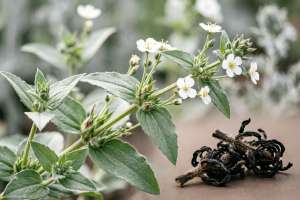
Eclipta Eclipta efficacy and functions
Overview of the efficacy and functions of EcliptaEclipta, also known as Eclipta or Eclipta, is a commonly used medicinal material in traditional Chinese medicine to nourish the liver and kidneys, cool blood and stop bleeding.Its core functions includeNourishes yin and nourishes kidney, blackens beard and hair, stops bleeding and reduces inflammation, the secondary effects involve improving hair loss, relieving gum bleeding and skin eczema.The primary and secondary structure is clear: liver and k
-

View
Function and role of hippocampus
Overview of the functions and functions of the hippocampusSeahorse is a precious marine creature recognized for its many benefits in both traditional medicine and modern research.Its main functions includeReplenishing kidneys and strengthening yang, anti-fatigue, regulating immunity, antioxidantetc., especially the effect of nourishing kidney and replenishing qi is the most prominent.In addition, the hippocampus also plays a certain role in improving blood circulation and relieving neurasthenia.
-
View
The effects and functions of fragrant fruit
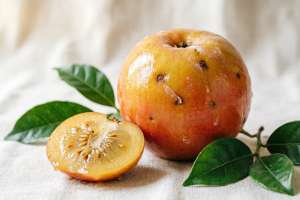
Overview of the effects and functions of fragrant fruitXiangguo, also known as Ligusticum chuanxiong or Shannai, is a plant with both medicinal and edible value, and its rhizomes are often used in traditional Chinese medicine.Its main functions includePromotes blood circulation and removes blood stasis, dispels wind and relieves pain, improves blood circulation, the secondary effects involve relieving headaches, joint pain and women’s menstrual discomfort.The active ingredients of xiangguo, su
-
View
Efficacy and functions of Cistanche deserticola
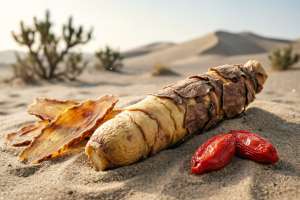
Overview of the efficacy and functions of Cistanche deserticolaCistanche deserticola, also known as Cistanche deserticola, is a traditional Chinese medicinal material mainly produced in desert areas and is known as "desert ginseng".Its core functions includeReplenishing kidney yang, replenishing essence and blood, moistening intestines and laxative, the secondary effects involve anti-aging, regulating immunity, etc.This article will start from its medicinal value, suitable people, usage methods
-
View
White peony effect and function
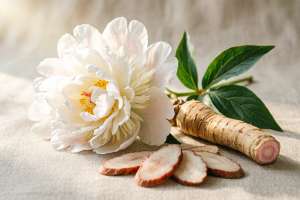
Overview of the efficacy and functions of white peony rootWhite peony root is a commonly used blood-nourishing and menstrual-regulating medicine in traditional Chinese medicine.Nourishes blood and softens liver, relieves pain, astringes yin and stops sweatingIt has core functions such as irregular menstruation, hypochondriac pain, spontaneous sweating and night sweats.Its functions can be divided into two categories: primary and secondary:Main functionsIncluding regulating female endocrine, reli
-
View
Efficacy and functions of Wu Hua Xue Teng
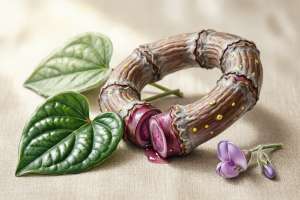
Overview of the efficacy and functions of SpatholobusFive-flowered bloodvine is a traditional Chinese medicinal material, which mainly hasPromotes blood circulation and removes blood stasis, unblocks collaterals to relieve pain, expels wind and removes dampnessIt has other effects and is often used to treat rheumatic arthralgia, bruises and irregular menstruation.Its core function is to promote blood circulation, relieve inflammation and pain, and its secondary functions include assisting in reg