
- Current location:Home page >> Traditional Chinese Medicine Health Care
What are the benefits of spicy food?
2026-05-30 19:31:34
Overview of the effects and functions of pungent foods
Pungent food has the functions of dispersing, promoting qi, activating blood circulation, and reducing dampness in traditional Chinese medicine theory, and is often used to regulate external syndromes, qi stagnation, blood stasis, spleen and stomach dampness and other problems. This type of food is represented by peppers, ginger, garlic, Sichuan peppercorns, etc., and its core functions can be divided into three categories: First,Promote blood circulation, accelerate metabolism by stimulating capillary dilation; second,Dispel cold and relieve symptoms, it has an auxiliary and relieving effect on the early stages of colds and colds; thirdly,Awakening the spleen and appetizing, stimulate the secretion of digestive juices and improve appetite. However, it should be noted that people with yin deficiency and excessive fire or gastrointestinal sensitivity should use it with caution.
Analysis of the core functions of pungent foods
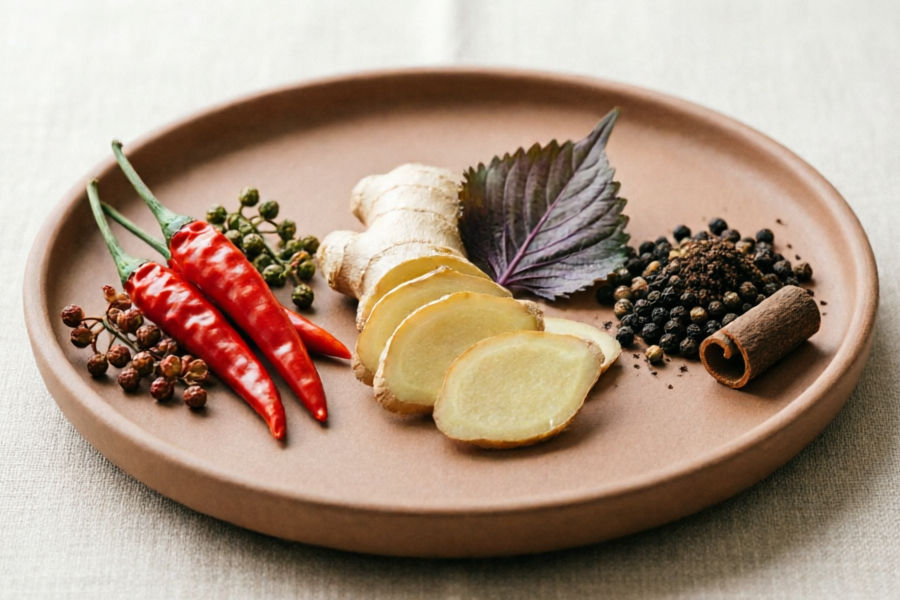
From the perspective of traditional Chinese medicine, spicy food has particularly outstanding properties of "dispersing and nourishing". Take ginger as an example. "Compendium of Materia Medica" records that it "relieves the appearance of cold, warms and stops vomiting." Modern research has confirmed that the gingerol contained in it can stimulate the gastrointestinal mucosa and improve digestive function by about 40%. Allicin in garlic has been confirmed to have antibacterial effects by the American Journal of Clinical Nutrition. Among common spicy foods, peppers contain three times as much vitamin C as oranges, and the volatile oil of Sichuan peppercorns has an inhibitory rate of 75% against Staphylococcus aureus (data source: "Traditional Chinese Medicine Pharmacology" by China Traditional Chinese Medicine Press).
| food | Main active ingredient | Experimental verification of efficacy |
|---|---|---|
| ginger | gingerol | Effective rate of relieving pregnancy vomiting is 68% |
| garlic | Allicin | Reduce the incidence of colds by 30% |
Applicable suggestions for people with different physical constitutions
According to different physical constitutions, the application of spicy food needs to be adjusted individually. For those with yang deficiency constitution, consuming cinnamon and dried ginger in winter can improve cold limbs; for women with dysmenorrhea due to qi stagnation, tea made with rose flowers (slightly pungent) can relieve swelling and pain. However, if you have a constitution with yin deficiency (shown as dry mouth and tongue), excessive consumption may aggravate the discomfort. Japanese scholar Hikochi Ohura pointed out in "Spice Science" that the daily intake of capsaicin should not exceed 5mg, which is equivalent to 3 fresh millets. Products such as mushroom sauce (containing Sichuan peppercorns) produced by domestic companies such as Zhongjing Food have reduced the pungent taste through compatibility.
Scientific applications in modern food industry
Food companies optimize the application of spicy ingredients through technological innovation. Laoganma flavored tempeh adopts a temperature-controlled fermentation process, which not only retains the activity of capsaicin but also reduces the burning sensation; Wang Shouyi Thirteen Fragrance blends 12 kinds of spices such as pepper and star anise in golden proportions. The formula is derived from the "Heji Bureau Prescription" of the Song Dynasty. It is worth noting that the "Spicy Tiao" industry standard issued by the National Health Commission in 2022 clearly stipulates that the upper limit of capsaicin is 1.5g/kg to ensure safety. The stomach-warming ginger tea produced by Yunnan Baiyao adds red dates to neutralize the spiciness.
Advice on scientifically eating spicy foods
Taken together, spicy food is like a "double-edged sword", and its reasonable use can bring health benefits. Daily suggestions: ① Pair with sweet foods (such as brown sugar and ginger tea) to relieve irritation; ② Avoid eating large amounts of raw garlic and other strong spicy foods on an empty stomach; ③ Choose condiments from regular brands such as Lee Kum Kee and Haidilao. The Chinese Nutrition Society recommends that the daily intake of spices should not exceed 6g. Only by remembering the principle of "no excessive amount of pungent, and it varies from person to person" can we give full play to its health-preserving value of "unblocking yang qi and activating qi and blood".
References:
1. "Chinese Materia Medica" compiled by the State Administration of Traditional Chinese Medicine
2. "Spice Science" by Hikokichi Ohura (Kodansha Japan)
3. Product data on the official website of Zhongjing Food Co., Ltd.
4. GB/T 30645-2022 "Spicy Tiao" National Standard
Relevant knowledge
- 2026-10-01How to maintain health at the beginning of autumn?
- 2026-09-30How to maintain health during the hot summer?
- 2026-09-30How to maintain health during Xiaoshu?
- 2026-09-30How to maintain health during the summer solstice?
- 2026-09-29How to maintain the health of Eargrass?
- 2026-09-29How does Xiaoman maintain his health?
- 2026-09-29How to maintain health in Beginning of Summer?
- 2026-09-29How to maintain health during Guyu?
- 2026-09-28How to maintain health during Qingming Festival?
- 2026-09-28How to maintain health during the Spring Equinox?
- 2026-09-28How to maintain health in Jingzhe?
- 2026-09-28How to maintain health through rainwater?
- 2026-09-28How to maintain health at the beginning of spring?
- 2026-09-28What is the relationship between the twenty-four solar terms and health preservation?
- 2026-09-27How to prevent cold evil in winter?
- 2026-09-27How to take care of your emotions in winter?
- 2026-09-27What should you pay attention to when dressing in winter?
- 2026-09-26What should you pay attention to when sleeping in winter?
Chinese medicinal materials
More-
View
The efficacy and function of purple beads
Overview of the efficacy and functions of purple beadsPurpurea is a plant with medicinal value. Its leaves, roots and fruits can be used as medicine. Its main functions includeStop bleeding, reduce inflammation, clear away heat and detoxify, dissipate blood stasis and reduce swellingWait.In traditional medicine, purple pearls are often used to treat symptoms such as traumatic bleeding, bruises, and sore throat. Modern research has also found that it contains active ingredients such as flavonoids
-
View
The efficacy and function of locust bean
Overview of the efficacy and functions of locust beanSophora bean, also known as Sophora japonica or Sophora japonica, is the mature fruit of Sophora japonica tree, a leguminous plant, and has various medicinal values in traditional medicine.Its main functions includeClears away heat and cools blood, moisturizes intestines and relieves constipation, lowers blood pressure, and resists oxidationetc., suitable for relieving symptoms such as hemorrhoids, bloody stools, and high blood pressure.Modern
-
View
The efficacy and function of Baiziren
Overview of the efficacy and functions of BaizirenBaiziren is the dried and mature seed kernel of Platycladus orientalis, a plant in the Cupressaceae family. Traditional Chinese medicine believes that it is flat in nature and sweet in taste, and can be used to regulate the heart, kidney, and large intestine meridians.Nourish the heart and calm the nerves, moisturize the intestines and relieve constipation, and nourish the liver and kidneysand other effects.Modern research shows that cypress seed
-
View
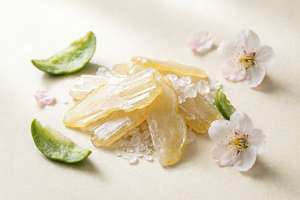
The efficacy and function of plum slices
Overview of the effects and functions of plum slicesPlum slices, also known as borneol or dipterocarp, is a traditional Chinese medicinal material that has the effects of rejuvenating the mind, clearing away heat and relieving pain, reducing swelling and promoting muscle growth.Its main component is dextroborneol, which is widely used in the fields of medicine, cosmetics and spices.The core functions of plum slices include relieving headaches, anti-inflammatory and sterilizing, promoting wound h
-
View
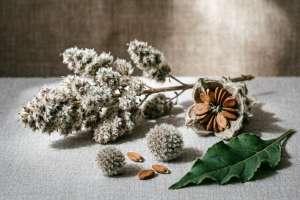
Efficacy and functions of Kochia bark
Overview of the efficacy and functions of Kochia barkKochia bark, also known as broom seedling, is a commonly used medicinal material in traditional Chinese medicine for clearing away heat and promoting dampness.Diuretic and relieve stranguria, dispel wind and relieve itching, clear away heat and detoxifyand other effects.It mainly acts on urinary system inflammation, skin itching and damp-heat jaundice, and is widely used clinically.Secondary functions include assisting in lowering blood sugar,
-
View
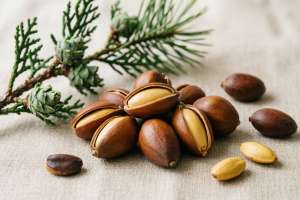
Efficacy and functions of Baiziren
Overview of the efficacy and functions of BaizirenBaiziren is the dried and mature seed kernel of Platycladus orientalis, a plant in the Cupressaceae family. Traditional Chinese medicine believes that it is flat in nature and sweet in taste, and can be used to regulate the heart, kidney, and large intestine meridians.Nourish the heart and calm the nerves, moisturize the intestines and relieve constipation, and nourish the liver and kidneysand other effects.Its main functions include improving sy
-
View
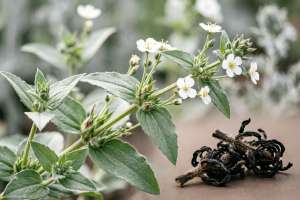
Eclipta Eclipta efficacy and functions
Overview of the efficacy and functions of EcliptaEclipta, also known as Eclipta or Eclipta, is a commonly used medicinal material in traditional Chinese medicine to nourish the liver and kidneys, cool blood and stop bleeding.Its core functions includeNourishes yin and nourishes kidney, blackens beard and hair, stops bleeding and reduces inflammation, the secondary effects involve improving hair loss, relieving gum bleeding and skin eczema.The primary and secondary structure is clear: liver and k
-

View
Function and role of hippocampus
Overview of the functions and functions of the hippocampusSeahorse is a precious marine creature recognized for its many benefits in both traditional medicine and modern research.Its main functions includeReplenishing kidneys and strengthening yang, anti-fatigue, regulating immunity, antioxidantetc., especially the effect of nourishing kidney and replenishing qi is the most prominent.In addition, the hippocampus also plays a certain role in improving blood circulation and relieving neurasthenia.
-
View
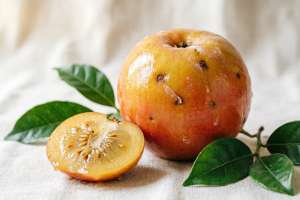
The effects and functions of fragrant fruit
Overview of the effects and functions of fragrant fruitXiangguo, also known as Ligusticum chuanxiong or Shannai, is a plant with both medicinal and edible value, and its rhizomes are often used in traditional Chinese medicine.Its main functions includePromotes blood circulation and removes blood stasis, dispels wind and relieves pain, improves blood circulation, the secondary effects involve relieving headaches, joint pain and women’s menstrual discomfort.The active ingredients of xiangguo, su
-
View
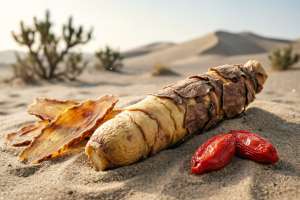
Efficacy and functions of Cistanche deserticola
Overview of the efficacy and functions of Cistanche deserticolaCistanche deserticola, also known as Cistanche deserticola, is a traditional Chinese medicinal material mainly produced in desert areas and is known as "desert ginseng".Its core functions includeReplenishing kidney yang, replenishing essence and blood, moistening intestines and laxative, the secondary effects involve anti-aging, regulating immunity, etc.This article will start from its medicinal value, suitable people, usage methods
-
View
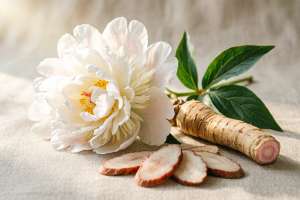
White peony effect and function
Overview of the efficacy and functions of white peony rootWhite peony root is a commonly used blood-nourishing and menstrual-regulating medicine in traditional Chinese medicine.Nourishes blood and softens liver, relieves pain, astringes yin and stops sweatingIt has core functions such as irregular menstruation, hypochondriac pain, spontaneous sweating and night sweats.Its functions can be divided into two categories: primary and secondary:Main functionsIncluding regulating female endocrine, reli
-
View
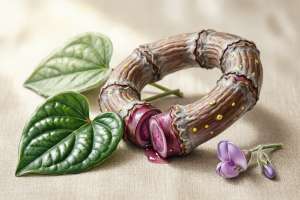
Efficacy and functions of Wu Hua Xue Teng
Overview of the efficacy and functions of SpatholobusFive-flowered bloodvine is a traditional Chinese medicinal material, which mainly hasPromotes blood circulation and removes blood stasis, unblocks collaterals to relieve pain, expels wind and removes dampnessIt has other effects and is often used to treat rheumatic arthralgia, bruises and irregular menstruation.Its core function is to promote blood circulation, relieve inflammation and pain, and its secondary functions include assisting in reg