
- Current location:Home page >> Traditional Chinese Medicine Health Care
How to take lily correctly?
2026-05-14 06:42:32
How to take lily correctly?
Lily is not only a food and medicine material, but also a traditional Chinese medicinal material. Correct use requires a combination of its efficacy, usage and precautions. This article will start fromThe effects of lily, suitable groups, taking methods (such as decoction, soaking in water, dietary combination), contraindications and common product recommendationsExpand to help readers use lilies scientifically. Core points include: the difference between fresh and dried lilies, daily dosage recommendations, body suitability, and how to avoid allergies or adverse reactions.
1. Effects and applicable scenarios of lily
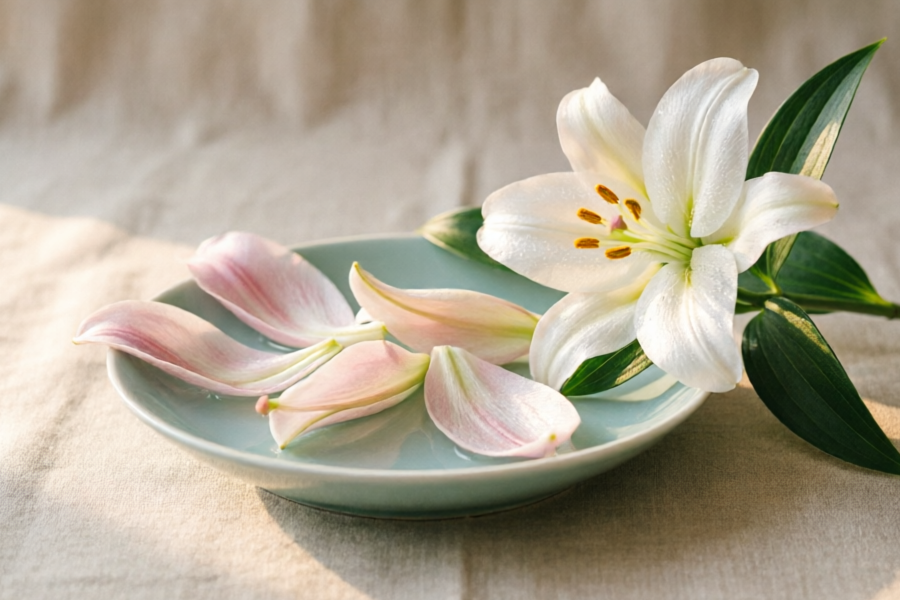
Lily is slightly cold in nature, and it returns to the heart and lung meridian. Its main functions are:Nourishes the lungs, relieves cough, calms the mind, and beautifies the skin. "Compendium of Materia Medica" records that it "tonifies the vital energy, facilitates defecation and defecation" and is suitable for those with yin deficiency, dryness and cough, insomnia and dreaminess. Fresh lily is mostly used for dietary therapy (such as stir-frying, making soup), while dried lily is more suitable for medicine or soaking in water. It should be noted that people with spleen and stomach deficiency should take a small amount to avoid aggravating diarrhea. Common combinations include white fungus, lotus seeds, and wolfberry, which can enhance the moisturizing effect.
2. How to take lily and dosage
Recommended daily dosage of dried lily for adults6-12 grams(about 10-15 pieces), fresh lily can be increased to 30 grams. Common ways of taking it:1. Decoction: Soak dried lily in cold water for 30 minutes, then boil, then turn to low heat and simmer for 20 minutes;2. Soak in water: Brew 3-5 slices of dried lily in boiling water and simmer for 10 minutes;3. Diet therapy: Such as lily porridge (50 grams of rice + 20 grams of fresh lily). For long-term users, it is recommended to take 1-2 days apart every week to avoid accumulation of coldness.
3. Precautions and contraindications
Lily contains colchicine, which may cause nausea and diarrhea when eaten raw, so it must be thoroughly heated before consumption. Taboo groups include:1. People with cold and cough(white and thin phlegm);2.Pregnant women(Doctor’s guidance required);3. People with allergies(Try a small amount for the first time). While taking the medicine, avoid eating spicy and greasy food together to avoid affecting the efficacy of the medicine. If rash or abdominal pain occurs, discontinue use immediately.
4. Common lily products and purchasing suggestions
Lily products on the market are mainly dried lilies, so pay attention when purchasingMilky white color, uniform slice size, no sulfur smoke smell. Well-known brands include:
| Manufacturer | Product name | Features |
|---|---|---|
| Lanzhou Lily Industrial | "Longyuan Red" dried lily | Sulfur-free, high sweetness |
| Hunan Dragon brand soy sauce | "Xiangjiang" lily powder | Ready to drink |
Summary
Taking lily correctly requires careful considerationIndividual physique, usage, dosage and quality selection. For daily health care, it is better to take a small amount frequently. For therapeutic purposes, it is recommended to follow the doctor's advice. Combining it with dietary therapy (such as Lily and Snow Pear Soup) can improve the effect, but taboos need to be avoided. When purchasing, look for formal channels to ensure safety and no additives.
Quote sources:
1. "Compendium of Materia Medica" (Li Shizhen, Ming Dynasty)
2. National Pharmacopoeia Commission "Pharmacopoeia of the People's Republic of China" (2020 edition)
3. Lanzhou Lily Association official website (2023 industry standards)
Relevant knowledge
- 2026-10-01How to maintain health at the beginning of autumn?
- 2026-09-30How to maintain health during the hot summer?
- 2026-09-30How to maintain health during Xiaoshu?
- 2026-09-30How to maintain health during the summer solstice?
- 2026-09-29How to maintain the health of Eargrass?
- 2026-09-29How does Xiaoman maintain his health?
- 2026-09-29How to maintain health in Beginning of Summer?
- 2026-09-29How to maintain health during Guyu?
- 2026-09-28How to maintain health during Qingming Festival?
- 2026-09-28How to maintain health during the Spring Equinox?
- 2026-09-28How to maintain health in Jingzhe?
- 2026-09-28How to maintain health through rainwater?
- 2026-09-28How to maintain health at the beginning of spring?
- 2026-09-28What is the relationship between the twenty-four solar terms and health preservation?
- 2026-09-27How to prevent cold evil in winter?
- 2026-09-27How to take care of your emotions in winter?
- 2026-09-27What should you pay attention to when dressing in winter?
- 2026-09-26What should you pay attention to when sleeping in winter?
Chinese medicinal materials
More-
View
The efficacy and function of purple beads
Overview of the efficacy and functions of purple beadsPurpurea is a plant with medicinal value. Its leaves, roots and fruits can be used as medicine. Its main functions includeStop bleeding, reduce inflammation, clear away heat and detoxify, dissipate blood stasis and reduce swellingWait.In traditional medicine, purple pearls are often used to treat symptoms such as traumatic bleeding, bruises, and sore throat. Modern research has also found that it contains active ingredients such as flavonoids
-
View
The efficacy and function of locust bean
Overview of the efficacy and functions of locust beanSophora bean, also known as Sophora japonica or Sophora japonica, is the mature fruit of Sophora japonica tree, a leguminous plant, and has various medicinal values in traditional medicine.Its main functions includeClears away heat and cools blood, moisturizes intestines and relieves constipation, lowers blood pressure, and resists oxidationetc., suitable for relieving symptoms such as hemorrhoids, bloody stools, and high blood pressure.Modern
-
View
The efficacy and function of Baiziren
Overview of the efficacy and functions of BaizirenBaiziren is the dried and mature seed kernel of Platycladus orientalis, a plant in the Cupressaceae family. Traditional Chinese medicine believes that it is flat in nature and sweet in taste, and can be used to regulate the heart, kidney, and large intestine meridians.Nourish the heart and calm the nerves, moisturize the intestines and relieve constipation, and nourish the liver and kidneysand other effects.Modern research shows that cypress seed
-
View
The efficacy and function of plum slices
Overview of the effects and functions of plum slicesPlum slices, also known as borneol or dipterocarp, is a traditional Chinese medicinal material that has the effects of rejuvenating the mind, clearing away heat and relieving pain, reducing swelling and promoting muscle growth.Its main component is dextroborneol, which is widely used in the fields of medicine, cosmetics and spices.The core functions of plum slices include relieving headaches, anti-inflammatory and sterilizing, promoting wound h
-
View
Efficacy and functions of Kochia bark
Overview of the efficacy and functions of Kochia barkKochia bark, also known as broom seedling, is a commonly used medicinal material in traditional Chinese medicine for clearing away heat and promoting dampness.Diuretic and relieve stranguria, dispel wind and relieve itching, clear away heat and detoxifyand other effects.It mainly acts on urinary system inflammation, skin itching and damp-heat jaundice, and is widely used clinically.Secondary functions include assisting in lowering blood sugar,
-
View
Efficacy and functions of Baiziren
Overview of the efficacy and functions of BaizirenBaiziren is the dried and mature seed kernel of Platycladus orientalis, a plant in the Cupressaceae family. Traditional Chinese medicine believes that it is flat in nature and sweet in taste, and can be used to regulate the heart, kidney, and large intestine meridians.Nourish the heart and calm the nerves, moisturize the intestines and relieve constipation, and nourish the liver and kidneysand other effects.Its main functions include improving sy
-
View
Eclipta Eclipta efficacy and functions
Overview of the efficacy and functions of EcliptaEclipta, also known as Eclipta or Eclipta, is a commonly used medicinal material in traditional Chinese medicine to nourish the liver and kidneys, cool blood and stop bleeding.Its core functions includeNourishes yin and nourishes kidney, blackens beard and hair, stops bleeding and reduces inflammation, the secondary effects involve improving hair loss, relieving gum bleeding and skin eczema.The primary and secondary structure is clear: liver and k
-

View
Function and role of hippocampus
Overview of the functions and functions of the hippocampusSeahorse is a precious marine creature recognized for its many benefits in both traditional medicine and modern research.Its main functions includeReplenishing kidneys and strengthening yang, anti-fatigue, regulating immunity, antioxidantetc., especially the effect of nourishing kidney and replenishing qi is the most prominent.In addition, the hippocampus also plays a certain role in improving blood circulation and relieving neurasthenia.
-
View
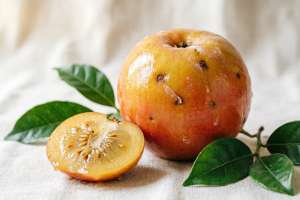
The effects and functions of fragrant fruit
Overview of the effects and functions of fragrant fruitXiangguo, also known as Ligusticum chuanxiong or Shannai, is a plant with both medicinal and edible value, and its rhizomes are often used in traditional Chinese medicine.Its main functions includePromotes blood circulation and removes blood stasis, dispels wind and relieves pain, improves blood circulation, the secondary effects involve relieving headaches, joint pain and women’s menstrual discomfort.The active ingredients of xiangguo, su
-
View
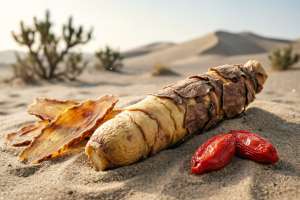
Efficacy and functions of Cistanche deserticola
Overview of the efficacy and functions of Cistanche deserticolaCistanche deserticola, also known as Cistanche deserticola, is a traditional Chinese medicinal material mainly produced in desert areas and is known as "desert ginseng".Its core functions includeReplenishing kidney yang, replenishing essence and blood, moistening intestines and laxative, the secondary effects involve anti-aging, regulating immunity, etc.This article will start from its medicinal value, suitable people, usage methods
-
View
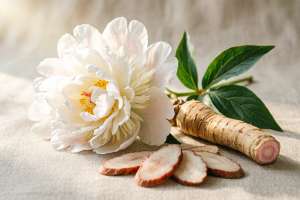
White peony effect and function
Overview of the efficacy and functions of white peony rootWhite peony root is a commonly used blood-nourishing and menstrual-regulating medicine in traditional Chinese medicine.Nourishes blood and softens liver, relieves pain, astringes yin and stops sweatingIt has core functions such as irregular menstruation, hypochondriac pain, spontaneous sweating and night sweats.Its functions can be divided into two categories: primary and secondary:Main functionsIncluding regulating female endocrine, reli
-
View
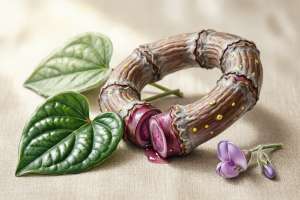
Efficacy and functions of Wu Hua Xue Teng
Overview of the efficacy and functions of SpatholobusFive-flowered bloodvine is a traditional Chinese medicinal material, which mainly hasPromotes blood circulation and removes blood stasis, unblocks collaterals to relieve pain, expels wind and removes dampnessIt has other effects and is often used to treat rheumatic arthralgia, bruises and irregular menstruation.Its core function is to promote blood circulation, relieve inflammation and pain, and its secondary functions include assisting in reg