
- Current location:Home page >> Traditional Chinese Medicine Health Care
How to treat mixed cold and heat?
2026-04-04 06:55:32
Methods for regulating mixed cold and heat: balancing yin and yang, harmonizing the constitution
Mixed cold and heat is a common complex constitution in traditional Chinese medicine, which manifests as the coexistence of cold and heat symptoms in the body, such as being afraid of cold but prone to getting angry, dry mouth but afraid of cold, etc. Conditioning requiresTreatment based on syndrome differentiationAs the core, Yin and Yang are reconciled through medicine, diet, lifestyle and other aspects. The main content is divided into three parts:Syndrome differentiation(Clearly the cold and heat are more severe),Conditioning method(combination of drugs and non-drugs),Daily maintenance(To avoid aggravating symptoms). The focus is on targeted conditioning and avoid blindly clearing heat or warming.
1. Syndrome differentiation: clarify the priority of cold and heat
Mixed cold and heat can be divided intoHot at the top and cold at the bottom(such as aphtha accompanied by diarrhea),Cold on the outside and hot on the inside(such as aversion to cold but constipation) and other types. It is necessary to judge the proportion of cold and heat through tongue, pulse and symptoms. For example, a red tongue with white coating and a rapid and rapid pulse may be due to cold fire and should beWarmth dissipates surface coldnesssimultaneousClear internal heat. Classic Chinese medicine prescriptions such asUmemaru(Zhang Zhongjing's prescription in "Treatise on Febrile Diseases") can reconcile cold and heat, and is suitable for ascariasis syndrome or modern stomach heat and intestinal cold syndrome. Non-drug conditioning, such as moxibustion at Yongquan point to induce fire downwards, is suitable for those with upper-heat and lower-lower cold.
2. Combination of drug and non-drug conditioning
Medication needs to be prescribed by a doctor. Commonly used prescriptions includeBanxia Xiexin Decoction(calming cold and heat),Jiaotaiwan(Coptis with cinnamon). Chinese patent medicines such asFuzi Lizhong Pills(Warming and dispersing cold) PairingCoptis supernatant tablets(Heat-clearing) Caution is required in compatibility. Non-pharmacological methods includediet conditioning: Avoid eating raw, cold and spicy foods at the same time. Recommend mild ingredients such as yam and lotus seeds;MoxibustionGuanyuan Point (Warm Lower Jiao) CooperationGua ShaDazhui point (clears upper heat).
3. Daily care and taboos
In terms of living habits, avoid staying up late to consume yin and being too greedy for coldness. Emotional management is particularly important, as liver stagnation can easily transform fire into aggravating the imbalance of cold and heat. Can be practicedBaduanjinThe action of "holding the three energizers of heavenly principles with both hands" is used to dredge qi and blood. In terms of dietary taboos, those with mixed cold and heat should be careful with tonic products. For example, ginseng can easily increase heat, and crab can easily increase cold. Some manufacturers' products such asTongrentangofJiaotaiwan,Yunnan BaiyaoofFuzi Lizhong PillsNeed to be used under the guidance of a physician.
Summary: Systematic conditioning and long-term persistence
Mixed conditioning needs of cold and heatholistic viewwithpersonalizationIn combination, both short-term symptom relief and long-term physical improvement are given equal emphasis. Drug selection requires strict syndrome differentiation, and daily care focuses on balance. It is recommended that regular follow-up visits be made to adjust the plan and avoid self-medication. Through comprehensive conditioning, the balance of yin and yang is gradually restored and the body's self-healing ability is improved.
| Commonly used Chinese patent medicines | Efficacy | Manufacturer |
|---|---|---|
| Umemaru | Reconciles cold and heat, relieves pain and relieves pain | Beijing Tongrentang |
| Jiaotaiwan | Transports the heart and kidneys, clears away heat and warms the body | Tianjin Darentang |
| Fuzi Lizhong Pills | Warm the body and strengthen the spleen | Yunnan Baiyao |
Quote sources:
1. "Treatise on Febrile Diseases" by Zhang Zhongjing (Eastern Han Dynasty), theory of syndrome and treatment of mixed cold and heat.
2. "Traditional Chinese Medicine Internal Medicine" textbook, syndrome differentiation of mixed cold and heat.
3. Product instructions on the official websites of Beijing Tongrentang and Yunnan Baiyao.
Relevant knowledge
- 2026-10-01How to maintain health at the beginning of autumn?
- 2026-09-30How to maintain health during the hot summer?
- 2026-09-30How to maintain health during Xiaoshu?
- 2026-09-30How to maintain health during the summer solstice?
- 2026-09-29How to maintain the health of Eargrass?
- 2026-09-29How does Xiaoman maintain his health?
- 2026-09-29How to maintain health in Beginning of Summer?
- 2026-09-29How to maintain health during Guyu?
- 2026-09-28How to maintain health during Qingming Festival?
- 2026-09-28How to maintain health during the Spring Equinox?
- 2026-09-28How to maintain health in Jingzhe?
- 2026-09-28How to maintain health through rainwater?
- 2026-09-28How to maintain health at the beginning of spring?
- 2026-09-28What is the relationship between the twenty-four solar terms and health preservation?
- 2026-09-27How to prevent cold evil in winter?
- 2026-09-27How to take care of your emotions in winter?
- 2026-09-27What should you pay attention to when dressing in winter?
- 2026-09-26What should you pay attention to when sleeping in winter?
Chinese medicinal materials
More-
View
The efficacy and function of locust bean
Overview of the efficacy and functions of locust beanSophora bean, also known as Sophora japonica or Sophora japonica, is the mature fruit of Sophora japonica tree, a leguminous plant, and has various medicinal values in traditional medicine.Its main functions includeClears away heat and cools blood, moisturizes intestines and relieves constipation, lowers blood pressure, and resists oxidationetc., suitable for relieving symptoms such as hemorrhoids, bloody stools, and high blood pressure.Modern
-

View
The efficacy and function of Baiziren
Overview of the efficacy and functions of BaizirenBaiziren is the dried and mature seed kernel of Platycladus orientalis, a plant in the Cupressaceae family. Traditional Chinese medicine believes that it is flat in nature and sweet in taste, and can be used to regulate the heart, kidney, and large intestine meridians.Nourish the heart and calm the nerves, moisturize the intestines and relieve constipation, and nourish the liver and kidneysand other effects.Modern research shows that cypress seed
-

View
The efficacy and function of plum slices
Overview of the effects and functions of plum slicesPlum slices, also known as borneol or dipterocarp, is a traditional Chinese medicinal material that has the effects of rejuvenating the mind, clearing away heat and relieving pain, reducing swelling and promoting muscle growth.Its main component is dextroborneol, which is widely used in the fields of medicine, cosmetics and spices.The core functions of plum slices include relieving headaches, anti-inflammatory and sterilizing, promoting wound h
-

View
Efficacy and functions of Kochia bark
Overview of the efficacy and functions of Kochia barkKochia bark, also known as broom seedling, is a commonly used medicinal material in traditional Chinese medicine for clearing away heat and promoting dampness.Diuretic and relieve stranguria, dispel wind and relieve itching, clear away heat and detoxifyand other effects.It mainly acts on urinary system inflammation, skin itching and damp-heat jaundice, and is widely used clinically.Secondary functions include assisting in lowering blood sugar,
-

View
Efficacy and functions of Baiziren
Overview of the efficacy and functions of BaizirenBaiziren is the dried and mature seed kernel of Platycladus orientalis, a plant in the Cupressaceae family. Traditional Chinese medicine believes that it is flat in nature and sweet in taste, and can be used to regulate the heart, kidney, and large intestine meridians.Nourish the heart and calm the nerves, moisturize the intestines and relieve constipation, and nourish the liver and kidneysand other effects.Its main functions include improving sy
-

View
Eclipta Eclipta efficacy and functions
Overview of the efficacy and functions of EcliptaEclipta, also known as Eclipta or Eclipta, is a commonly used medicinal material in traditional Chinese medicine to nourish the liver and kidneys, cool blood and stop bleeding.Its core functions includeNourishes yin and nourishes kidney, blackens beard and hair, stops bleeding and reduces inflammation, the secondary effects involve improving hair loss, relieving gum bleeding and skin eczema.The primary and secondary structure is clear: liver and k
-

View
Function and role of hippocampus
Overview of the functions and functions of the hippocampusSeahorse is a precious marine creature recognized for its many benefits in both traditional medicine and modern research.Its main functions includeReplenishing kidneys and strengthening yang, anti-fatigue, regulating immunity, antioxidantetc., especially the effect of nourishing kidney and replenishing qi is the most prominent.In addition, the hippocampus also plays a certain role in improving blood circulation and relieving neurasthenia.
-

View
The effects and functions of fragrant fruit
Overview of the effects and functions of fragrant fruitXiangguo, also known as Ligusticum chuanxiong or Shannai, is a plant with both medicinal and edible value, and its rhizomes are often used in traditional Chinese medicine.Its main functions includePromotes blood circulation and removes blood stasis, dispels wind and relieves pain, improves blood circulation, the secondary effects involve relieving headaches, joint pain and women’s menstrual discomfort.The active ingredients of xiangguo, su
-

View
Efficacy and functions of Cistanche deserticola
Overview of the efficacy and functions of Cistanche deserticolaCistanche deserticola, also known as Cistanche deserticola, is a traditional Chinese medicinal material mainly produced in desert areas and is known as "desert ginseng".Its core functions includeReplenishing kidney yang, replenishing essence and blood, moistening intestines and laxative, the secondary effects involve anti-aging, regulating immunity, etc.This article will start from its medicinal value, suitable people, usage methods
-

View
White peony effect and function
Overview of the efficacy and functions of white peony rootWhite peony root is a commonly used blood-nourishing and menstrual-regulating medicine in traditional Chinese medicine.Nourishes blood and softens liver, relieves pain, astringes yin and stops sweatingIt has core functions such as irregular menstruation, hypochondriac pain, spontaneous sweating and night sweats.Its functions can be divided into two categories: primary and secondary:Main functionsIncluding regulating female endocrine, reli
-

View
Efficacy and functions of Wu Hua Xue Teng
Overview of the efficacy and functions of SpatholobusFive-flowered bloodvine is a traditional Chinese medicinal material, which mainly hasPromotes blood circulation and removes blood stasis, unblocks collaterals to relieve pain, expels wind and removes dampnessIt has other effects and is often used to treat rheumatic arthralgia, bruises and irregular menstruation.Its core function is to promote blood circulation, relieve inflammation and pain, and its secondary functions include assisting in reg
-
View
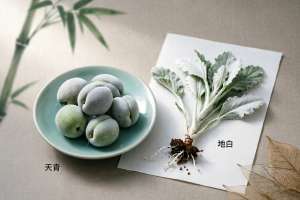
The efficacy and function of Tianqingdibai
Overview of the efficacy and functions of TianqingdibaiTianqing Dibai is a traditional Chinese medicinal material that has the effects of clearing heat and detoxifying, cooling blood and stopping bleeding, reducing swelling and dissipating stagnation. It is often used to treat sore throat, carbuncle sores, bruises and other diseases.Its main components include flavonoids, organic acids and other active substances. Modern research shows that it has certain anti-inflammatory and antibacterial effe