
- Current location:Home page >> Traditional Chinese Medicine Health Care
What are the symptoms of traditional Chinese medicine?
2026-04-04 11:58:28
Overview and analysis of syndromes in traditional Chinese medicine
Traditional Chinese MedicineEvidenceIt refers to a type of disease manifested by exogenous evils invading the human body surface. It belongs to the early stage of exogenous diseases and is characterized by aversion to cold, fever, head and body pain, floating pulse, etc. Its core content can be divided intoCause and pathogenesis(Such as wind-cold and wind-heat attack the surface),clinical manifestations(such as nasal congestion, cough) andTreatment principles(Relief of sweating). The evidence is further dividedSymptoms of wind coldwithWind-heat syndrome, the treatment methods are different. The following article will focus on the definition, classification, symptoms and classic prescriptions to help readers systematically understand the connotation of external syndromes in traditional Chinese medicine.
Definition of symptoms and etiology and pathogenesis
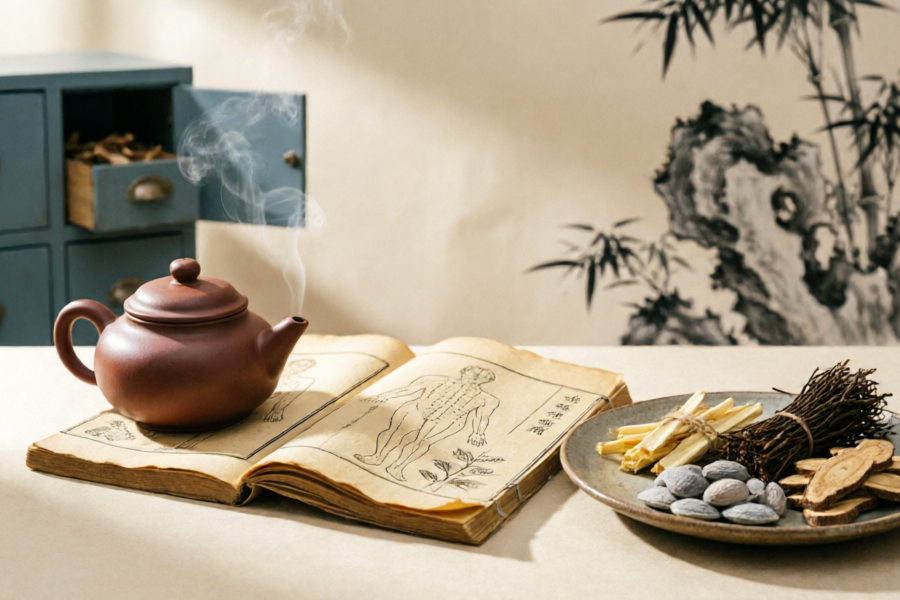
Explicit syndrome is called "exogenous external evil" in the theory of traditional Chinese medicine, which mainly refers toSix lustful thingsWind-cold or wind-heat evil qi (wind, cold, heat, dampness, dryness, fire) invade from the fur or mouth and nose, blocking the movement of Wei Qi, leading to Ying Wei imbalance. As stated in "Treatise on Febrile Diseases": "Taiyang disease is caused by a floating pulse, strong pain in the head and neck, and aversion to cold." At this time, the evil qi is light and has not yet penetrated, so the pulse is floating and the symptoms are concentrated on the surface of the body. Common triggers include catching cold, being exposed to rain, or sudden changes in climate. In modern medicine, colds in the early stages often fall into this category.
Classification of manifestations and typical symptoms
Symptoms are divided into two categories according to the nature of the evil energy:Symptoms of wind coldSymptoms include severe aversion to cold, mild fever, no sweating, runny nose, and thin white tongue coating;Wind-heat syndromeIt is characterized by severe fever, bad wind, sweating, sore throat, yellow nasal discharge, and thin yellow tongue coating. In addition, special types such as summer cold syndrome (such as summer cold with chest tightness) also exist. Wu Jutong, a physician in the Qing Dynasty, emphasized in "Tiao Bing of Febrile Diseases": "Treatment of external diseases is like a general, and the most important thing is to fight quickly." It is suggested that timely intervention is needed to prevent external diseases from spreading internally.
Treatment of superficial symptoms and classic prescriptions
Traditional Chinese medicine treatment of symptoms follows the "If it is on the skin, it will be caused by sweating"Principle. For wind-cold symptoms, the pungent-warm solution method is often used, such asEphedra soup(ephedra, cinnamon twig, almond, licorice); for wind-heat syndrome, choose the pungent and cool method to relieve the symptoms, such asYinqiaosan(Honeysuckle, Forsythia, Mint). Modern Chinese patent medicines such as Fenghanmao Granules (manufacturer: Tongrentang) and Fengremao Capsules (manufacturer: Baiyunshan) are also widely used. It should be noted that those with physical weakness need to be combined with strengthening drugs, such as Shensu Yin (ginseng + perilla leaves).
Summary and notes on the evidence
Explicit syndrome is the key syndrome differentiation link of exogenous diseases in traditional Chinese medicine. Its characteristics are:Shallow disease location and short course of disease, correctly distinguishing the attributes of cold and heat is the core of treatment. Patients should avoid self-abuse of diaphoretic drugs, especially the elderly and infirm. Modern research shows that some exolytic prescriptions have anti-inflammatory and immune-regulating effects (for example, ephedrine can relieve nasal congestion). Citing the concept of "A good ruler governs the skin" in the Huangdi Neijing, the importance of early intervention is emphasized. For daily prevention, attention should be paid to keeping warm and enhancing the external health function.
| Classic recipe | Main ingredients | Manufacturer (example) |
|---|---|---|
| Ephedra soup | Ephedra, cassia twig, almond, licorice | Beijing Tongrentang |
| Yinqiaosan | Honeysuckle, forsythia, mint | Guangzhou Baiyun Mountain |
Quote sources:1. "Treatise on Febrile Diseases" by Zhang Zhongjing (Eastern Han Dynasty) 2. "Treatise on Febrile Diseases" by Wu Jutong (Qing Dynasty) 3. Product information reference: Tongrentang Fenghanmao Granules, Baiyunshan Fengheatmao Capsules Instructions 4. Theoretical basis: "Basic Theory of Traditional Chinese Medicine" (People's Medical Publishing House)
Relevant knowledge
- 2026-10-01How to maintain health at the beginning of autumn?
- 2026-09-30How to maintain health during the hot summer?
- 2026-09-30How to maintain health during Xiaoshu?
- 2026-09-30How to maintain health during the summer solstice?
- 2026-09-29How to maintain the health of Eargrass?
- 2026-09-29How does Xiaoman maintain his health?
- 2026-09-29How to maintain health in Beginning of Summer?
- 2026-09-29How to maintain health during Guyu?
- 2026-09-28How to maintain health during Qingming Festival?
- 2026-09-28How to maintain health during the Spring Equinox?
- 2026-09-28How to maintain health in Jingzhe?
- 2026-09-28How to maintain health through rainwater?
- 2026-09-28How to maintain health at the beginning of spring?
- 2026-09-28What is the relationship between the twenty-four solar terms and health preservation?
- 2026-09-27How to prevent cold evil in winter?
- 2026-09-27How to take care of your emotions in winter?
- 2026-09-27What should you pay attention to when dressing in winter?
- 2026-09-26What should you pay attention to when sleeping in winter?
Chinese medicinal materials
More-
View
The efficacy and function of locust bean
Overview of the efficacy and functions of locust beanSophora bean, also known as Sophora japonica or Sophora japonica, is the mature fruit of Sophora japonica tree, a leguminous plant, and has various medicinal values in traditional medicine.Its main functions includeClears away heat and cools blood, moisturizes intestines and relieves constipation, lowers blood pressure, and resists oxidationetc., suitable for relieving symptoms such as hemorrhoids, bloody stools, and high blood pressure.Modern
-
View
The efficacy and function of Baiziren
Overview of the efficacy and functions of BaizirenBaiziren is the dried and mature seed kernel of Platycladus orientalis, a plant in the Cupressaceae family. Traditional Chinese medicine believes that it is flat in nature and sweet in taste, and can be used to regulate the heart, kidney, and large intestine meridians.Nourish the heart and calm the nerves, moisturize the intestines and relieve constipation, and nourish the liver and kidneysand other effects.Modern research shows that cypress seed
-
View
The efficacy and function of plum slices
Overview of the effects and functions of plum slicesPlum slices, also known as borneol or dipterocarp, is a traditional Chinese medicinal material that has the effects of rejuvenating the mind, clearing away heat and relieving pain, reducing swelling and promoting muscle growth.Its main component is dextroborneol, which is widely used in the fields of medicine, cosmetics and spices.The core functions of plum slices include relieving headaches, anti-inflammatory and sterilizing, promoting wound h
-
View
Efficacy and functions of Kochia bark
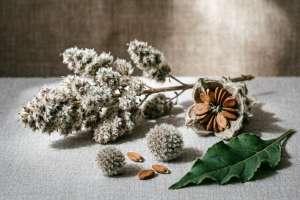
Overview of the efficacy and functions of Kochia barkKochia bark, also known as broom seedling, is a commonly used medicinal material in traditional Chinese medicine for clearing away heat and promoting dampness.Diuretic and relieve stranguria, dispel wind and relieve itching, clear away heat and detoxifyand other effects.It mainly acts on urinary system inflammation, skin itching and damp-heat jaundice, and is widely used clinically.Secondary functions include assisting in lowering blood sugar,
-
View
Efficacy and functions of Baiziren
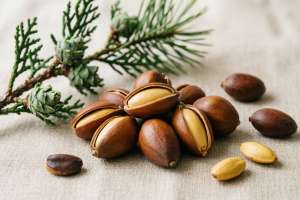
Overview of the efficacy and functions of BaizirenBaiziren is the dried and mature seed kernel of Platycladus orientalis, a plant in the Cupressaceae family. Traditional Chinese medicine believes that it is flat in nature and sweet in taste, and can be used to regulate the heart, kidney, and large intestine meridians.Nourish the heart and calm the nerves, moisturize the intestines and relieve constipation, and nourish the liver and kidneysand other effects.Its main functions include improving sy
-
View
Eclipta Eclipta efficacy and functions
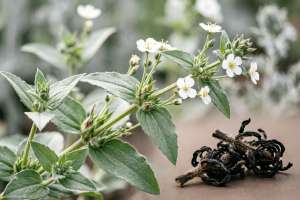
Overview of the efficacy and functions of EcliptaEclipta, also known as Eclipta or Eclipta, is a commonly used medicinal material in traditional Chinese medicine to nourish the liver and kidneys, cool blood and stop bleeding.Its core functions includeNourishes yin and nourishes kidney, blackens beard and hair, stops bleeding and reduces inflammation, the secondary effects involve improving hair loss, relieving gum bleeding and skin eczema.The primary and secondary structure is clear: liver and k
-

View
Function and role of hippocampus
Overview of the functions and functions of the hippocampusSeahorse is a precious marine creature recognized for its many benefits in both traditional medicine and modern research.Its main functions includeReplenishing kidneys and strengthening yang, anti-fatigue, regulating immunity, antioxidantetc., especially the effect of nourishing kidney and replenishing qi is the most prominent.In addition, the hippocampus also plays a certain role in improving blood circulation and relieving neurasthenia.
-
View
The effects and functions of fragrant fruit
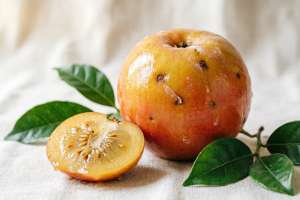
Overview of the effects and functions of fragrant fruitXiangguo, also known as Ligusticum chuanxiong or Shannai, is a plant with both medicinal and edible value, and its rhizomes are often used in traditional Chinese medicine.Its main functions includePromotes blood circulation and removes blood stasis, dispels wind and relieves pain, improves blood circulation, the secondary effects involve relieving headaches, joint pain and women’s menstrual discomfort.The active ingredients of xiangguo, su
-
View
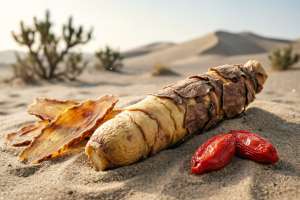
Efficacy and functions of Cistanche deserticola
Overview of the efficacy and functions of Cistanche deserticolaCistanche deserticola, also known as Cistanche deserticola, is a traditional Chinese medicinal material mainly produced in desert areas and is known as "desert ginseng".Its core functions includeReplenishing kidney yang, replenishing essence and blood, moistening intestines and laxative, the secondary effects involve anti-aging, regulating immunity, etc.This article will start from its medicinal value, suitable people, usage methods
-
View
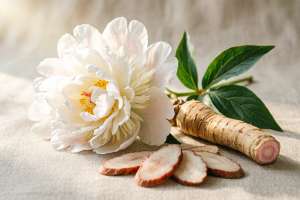
White peony effect and function
Overview of the efficacy and functions of white peony rootWhite peony root is a commonly used blood-nourishing and menstrual-regulating medicine in traditional Chinese medicine.Nourishes blood and softens liver, relieves pain, astringes yin and stops sweatingIt has core functions such as irregular menstruation, hypochondriac pain, spontaneous sweating and night sweats.Its functions can be divided into two categories: primary and secondary:Main functionsIncluding regulating female endocrine, reli
-
View
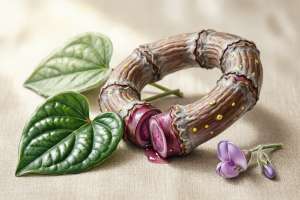
Efficacy and functions of Wu Hua Xue Teng
Overview of the efficacy and functions of SpatholobusFive-flowered bloodvine is a traditional Chinese medicinal material, which mainly hasPromotes blood circulation and removes blood stasis, unblocks collaterals to relieve pain, expels wind and removes dampnessIt has other effects and is often used to treat rheumatic arthralgia, bruises and irregular menstruation.Its core function is to promote blood circulation, relieve inflammation and pain, and its secondary functions include assisting in reg
-
View
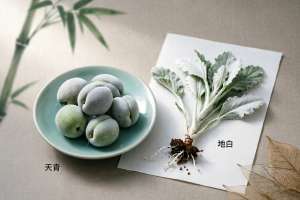
The efficacy and function of Tianqingdibai
Overview of the efficacy and functions of TianqingdibaiTianqing Dibai is a traditional Chinese medicinal material that has the effects of clearing heat and detoxifying, cooling blood and stopping bleeding, reducing swelling and dissipating stagnation. It is often used to treat sore throat, carbuncle sores, bruises and other diseases.Its main components include flavonoids, organic acids and other active substances. Modern research shows that it has certain anti-inflammatory and antibacterial effe