
- Current location:Home page >> Traditional Chinese Medicine Health Care
What is the difference between iron bar yam and ordinary yam?
2026-05-16 14:11:34
The difference between iron bar yam and ordinary yam: comprehensive comparison and purchasing guide
There are significant differences between iron-bar yam and ordinary yam in shape, taste, nutritional value and applicable groups. Tieguang yam is highly regarded because it is produced in specific areas (such as Wenxian County, Henan), has a tight texture, and has high mucus protein content. It is often used in medicinal diet to nourish. Ordinary yam has a large output, is affordable, and is more suitable for daily cooking. This article will compare the four dimensions of appearance characteristics, nutritional ingredients, cooking methods and market purchase to help consumers make accurate choices based on their needs.
1. Differences in appearance and origin
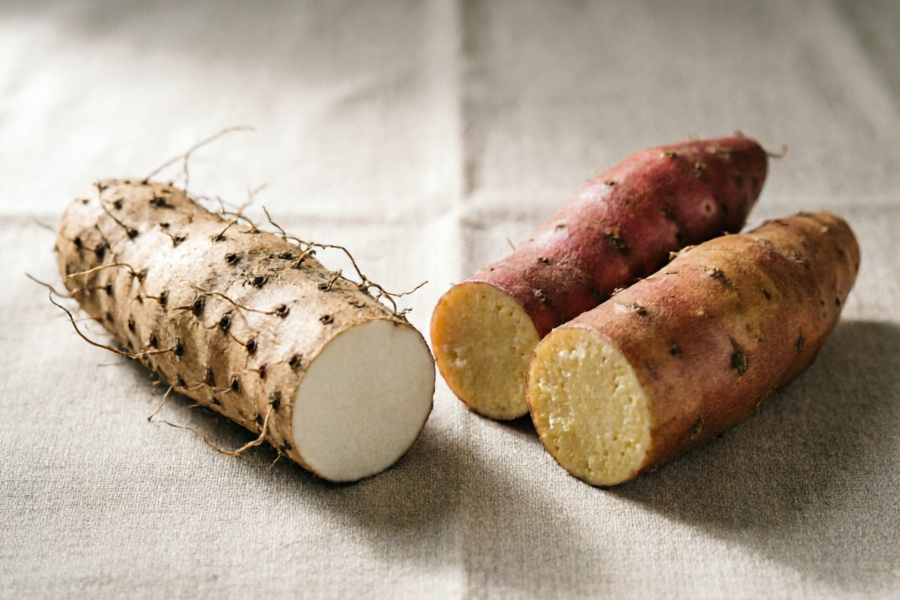
The iron rod yam is about 1-3 cm in diameter, with purple-red rust spots on the skin and densely covered fibrous roots. The cross section is porcelain white and is not easily oxidized after being left for a long time; the ordinary yam is thick (3-5 cm in diameter) and has a light yellow and smooth skin. In terms of core production areas,Wen County, Henan Iron Bar YamObtained the National Geographical Indication certification, its loam soil varieties have higher nutritional value; common yam is widely planted across the country, mainly in Shandong and Hebei. Common brands in the market include Wenxian's "Huaimingtang" iron-bar yam, Shandong's "Lvwochuan" ordinary yam, etc.
| Comparative item | iron bar yam | common yam |
|---|---|---|
| Typical origin | Wen County, Henan | Shandong, Hebei |
| Epidermal characteristics | Purple red spots and many fibrous roots | light yellow smooth |
2. Differences in nutrition and efficacy
According to the "Chinese Pharmacopoeia", iron rod yamamylase inhibitorThe content is higher and suitable for diabetic patients to assist in sugar control; its mucus protein content is more than twice that of ordinary yam, and it has a more significant protective effect on the gastrointestinal mucosa. Ordinary yams have a higher water content (about 75% vs. 65% of iron yams), making them more suitable for juicing or quick frying. Zhang Zhongjing, an expert in traditional Chinese medicine, emphasized in "Synopsis of the Golden Chamber" that "Huaiyam" (ie Iron Bar Yam) has the effect of tonifying the spleen and replenishing the kidneys, while ordinary yam focuses more on supplementing dietary fiber.
3. Cooking and purchasing suggestions
Iron bar yams are resistant to steaming (recommended for more than 30 minutes) and are suitable for making soup or making yam cakes. When purchasing, pay attention to distinguish between loam soil and sandy soil varieties (loaf soil varieties are curved but have better nutrition); ordinary yams are suitable for stir-frying and cold dressing. When purchasing, those without black spots and breaks are preferred. Common confusion methods in the market include using sulfur to whiten ordinary yams and passing them off as iron-bar yams. Consumers can identify them by observing the rust spots on the skin and the degree of mucus drawing.
Summary: On-demand selection is key
Iron-bar yam is superior in medicinal value and nourishing effect, but its price is usually 3-5 times that of ordinary yam; ordinary yam is cost-effective and has various cooking methods. Special groups (such as diabetics and those recovering from surgery) are recommended to give priority to iron-bar yam, and ordinary yam can be used for daily family meals. Regardless of the category, you should choose natural products without chemical processing to retain nutrients to the maximum extent.
Data source:
1. "Chinese Pharmacopoeia" 2020 Edition (National Pharmacopoeia Commission)
2. Wenxian Yam Association's "Tiegun Yam Cultivation Standards"
3. Zhang Zhongjing's "Synopsis of the Golden Chamber", a classic of traditional Chinese medicine
4. Market research data (2023 yam sales report in North China)
Relevant knowledge
- 2026-10-01How to maintain health at the beginning of autumn?
- 2026-09-30How to maintain health during the hot summer?
- 2026-09-30How to maintain health during Xiaoshu?
- 2026-09-30How to maintain health during the summer solstice?
- 2026-09-29How to maintain the health of Eargrass?
- 2026-09-29How does Xiaoman maintain his health?
- 2026-09-29How to maintain health in Beginning of Summer?
- 2026-09-29How to maintain health during Guyu?
- 2026-09-28How to maintain health during Qingming Festival?
- 2026-09-28How to maintain health during the Spring Equinox?
- 2026-09-28How to maintain health in Jingzhe?
- 2026-09-28How to maintain health through rainwater?
- 2026-09-28How to maintain health at the beginning of spring?
- 2026-09-28What is the relationship between the twenty-four solar terms and health preservation?
- 2026-09-27How to prevent cold evil in winter?
- 2026-09-27How to take care of your emotions in winter?
- 2026-09-27What should you pay attention to when dressing in winter?
- 2026-09-26What should you pay attention to when sleeping in winter?
Chinese medicinal materials
More-
View
The efficacy and function of purple beads
Overview of the efficacy and functions of purple beadsPurpurea is a plant with medicinal value. Its leaves, roots and fruits can be used as medicine. Its main functions includeStop bleeding, reduce inflammation, clear away heat and detoxify, dissipate blood stasis and reduce swellingWait.In traditional medicine, purple pearls are often used to treat symptoms such as traumatic bleeding, bruises, and sore throat. Modern research has also found that it contains active ingredients such as flavonoids
-
View
The efficacy and function of locust bean
Overview of the efficacy and functions of locust beanSophora bean, also known as Sophora japonica or Sophora japonica, is the mature fruit of Sophora japonica tree, a leguminous plant, and has various medicinal values in traditional medicine.Its main functions includeClears away heat and cools blood, moisturizes intestines and relieves constipation, lowers blood pressure, and resists oxidationetc., suitable for relieving symptoms such as hemorrhoids, bloody stools, and high blood pressure.Modern
-
View
The efficacy and function of Baiziren
Overview of the efficacy and functions of BaizirenBaiziren is the dried and mature seed kernel of Platycladus orientalis, a plant in the Cupressaceae family. Traditional Chinese medicine believes that it is flat in nature and sweet in taste, and can be used to regulate the heart, kidney, and large intestine meridians.Nourish the heart and calm the nerves, moisturize the intestines and relieve constipation, and nourish the liver and kidneysand other effects.Modern research shows that cypress seed
-
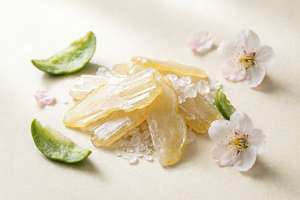
View
The efficacy and function of plum slices
Overview of the effects and functions of plum slicesPlum slices, also known as borneol or dipterocarp, is a traditional Chinese medicinal material that has the effects of rejuvenating the mind, clearing away heat and relieving pain, reducing swelling and promoting muscle growth.Its main component is dextroborneol, which is widely used in the fields of medicine, cosmetics and spices.The core functions of plum slices include relieving headaches, anti-inflammatory and sterilizing, promoting wound h
-
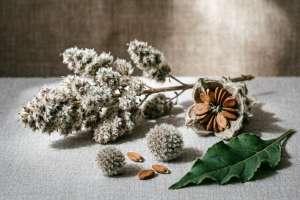
View
Efficacy and functions of Kochia bark
Overview of the efficacy and functions of Kochia barkKochia bark, also known as broom seedling, is a commonly used medicinal material in traditional Chinese medicine for clearing away heat and promoting dampness.Diuretic and relieve stranguria, dispel wind and relieve itching, clear away heat and detoxifyand other effects.It mainly acts on urinary system inflammation, skin itching and damp-heat jaundice, and is widely used clinically.Secondary functions include assisting in lowering blood sugar,
-
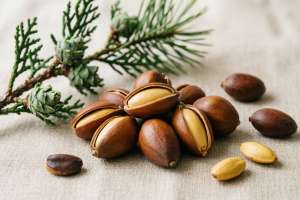
View
Efficacy and functions of Baiziren
Overview of the efficacy and functions of BaizirenBaiziren is the dried and mature seed kernel of Platycladus orientalis, a plant in the Cupressaceae family. Traditional Chinese medicine believes that it is flat in nature and sweet in taste, and can be used to regulate the heart, kidney, and large intestine meridians.Nourish the heart and calm the nerves, moisturize the intestines and relieve constipation, and nourish the liver and kidneysand other effects.Its main functions include improving sy
-
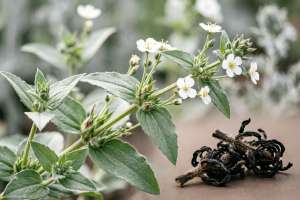
View
Eclipta Eclipta efficacy and functions
Overview of the efficacy and functions of EcliptaEclipta, also known as Eclipta or Eclipta, is a commonly used medicinal material in traditional Chinese medicine to nourish the liver and kidneys, cool blood and stop bleeding.Its core functions includeNourishes yin and nourishes kidney, blackens beard and hair, stops bleeding and reduces inflammation, the secondary effects involve improving hair loss, relieving gum bleeding and skin eczema.The primary and secondary structure is clear: liver and k
-

View
Function and role of hippocampus
Overview of the functions and functions of the hippocampusSeahorse is a precious marine creature recognized for its many benefits in both traditional medicine and modern research.Its main functions includeReplenishing kidneys and strengthening yang, anti-fatigue, regulating immunity, antioxidantetc., especially the effect of nourishing kidney and replenishing qi is the most prominent.In addition, the hippocampus also plays a certain role in improving blood circulation and relieving neurasthenia.
-
View
The effects and functions of fragrant fruit
Overview of the effects and functions of fragrant fruitXiangguo, also known as Ligusticum chuanxiong or Shannai, is a plant with both medicinal and edible value, and its rhizomes are often used in traditional Chinese medicine.Its main functions includePromotes blood circulation and removes blood stasis, dispels wind and relieves pain, improves blood circulation, the secondary effects involve relieving headaches, joint pain and women’s menstrual discomfort.The active ingredients of xiangguo, su
-
View
Efficacy and functions of Cistanche deserticola
Overview of the efficacy and functions of Cistanche deserticolaCistanche deserticola, also known as Cistanche deserticola, is a traditional Chinese medicinal material mainly produced in desert areas and is known as "desert ginseng".Its core functions includeReplenishing kidney yang, replenishing essence and blood, moistening intestines and laxative, the secondary effects involve anti-aging, regulating immunity, etc.This article will start from its medicinal value, suitable people, usage methods
-
View
White peony effect and function
Overview of the efficacy and functions of white peony rootWhite peony root is a commonly used blood-nourishing and menstrual-regulating medicine in traditional Chinese medicine.Nourishes blood and softens liver, relieves pain, astringes yin and stops sweatingIt has core functions such as irregular menstruation, hypochondriac pain, spontaneous sweating and night sweats.Its functions can be divided into two categories: primary and secondary:Main functionsIncluding regulating female endocrine, reli
-
View
Efficacy and functions of Wu Hua Xue Teng
Overview of the efficacy and functions of SpatholobusFive-flowered bloodvine is a traditional Chinese medicinal material, which mainly hasPromotes blood circulation and removes blood stasis, unblocks collaterals to relieve pain, expels wind and removes dampnessIt has other effects and is often used to treat rheumatic arthralgia, bruises and irregular menstruation.Its core function is to promote blood circulation, relieve inflammation and pain, and its secondary functions include assisting in reg