
- Current location:Home page >> Traditional Chinese Medicine Health Care
How to maintain health as the lungs govern breathing?
2026-03-08 04:01:34
Title: The health regimen of lungs governing qi and respiration—from traditional Chinese medicine theory to daily practice
Paragraph 1: Summary of content (200 words)
Traditional Chinese medicine believes that "the lungs govern qi and regulate breathing." The lungs are not only respiratory organs, but also dominate the qi of the whole body, and are closely related to immunity and water-liquid metabolism. Health care needs to be centered around"Xuanfei, moistening the lungs, and replenishing Qi"Three cores: first, enhance lung function through deep breathing and aerobic exercise; second, dietary maintenance, such as lily, white fungus and other lung-moistening ingredients; third, avoid the invasion of external evils and pay attention to cold and dryness. Secondary measures include emotional regulation (sad and sad lungs), environmental optimization (fresh air) and acupoint massage (such as Tanzhong point). The following is developed in layers from theory to practice.
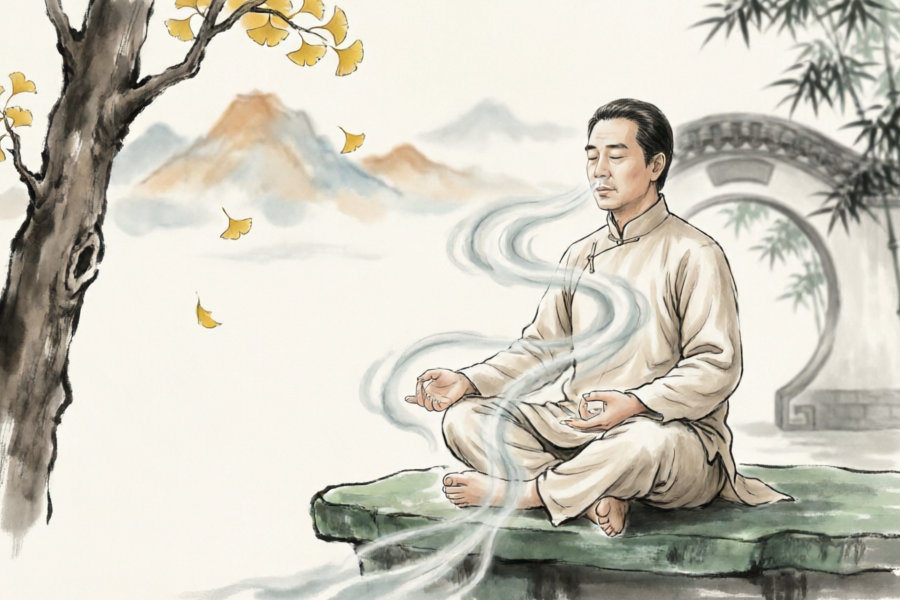
Second paragraph: Breathing exercises and exercise to nourish the lungs (200 words)
The respiratory function of the lungs can be enhanced through scientific exercises.abdominal breathing(Inhale to expand the abdomen, exhale to contract the abdomen) can increase alveolar ventilation, and it is recommended to practice it for 10 minutes every day;"Regulating the spleen and stomach must be done individually" in BaduanjinThe movements can release lung qi. Aerobic exercise such as jogging and swimming can increase lung capacity, but outdoor activities on hazy days should be avoided. Sun Simiao's "Qianjin Prescription" of the Tang Dynasty mentioned "Tu Na Daoyin" as an important technique for nourishing the lungs. Modern research has also confirmed that regular exercise can reduce the risk of chronic obstructive pulmonary disease.
Paragraph 3: Diet and Medicinal Diet (200 words)
White food mostly enters the lung meridian, such asPears, yams, lotus seedsIt can promote body fluids and moisturize dryness, and is suitable for consumption in autumn and winter. Medicinal food recommendationLily Almond Porridge(recorded in "Yin Shan Zheng Yao") orSichuan Scallop Stewed with Sydney, but people with cold and cough should use Chuanbei with caution. People with lung qi deficiency can eat astragalus and dangshen soup in moderation, but those with damp-heat constitution are not suitable. The "Suixiju Diet Manual" of the Qing Dynasty emphasizes that "the lungs like moistening and hate dryness", and spicy and fried foods need to be avoided. Common lung-moistening products on the market, such as Kyoto Ninjian Loquat Cream (Manufacturer: Kyoto Ninjian Main Factory Co., Ltd.), should be used according to doctor's advice.
Paragraph 4: Environment and living habits (200 words)
The lungs are delicate organs and are easily attacked by external evils.Stay at home advice: Keep the humidity at 40%-60% and use an air purifier to reduce PM2.5;quit smokingThis is the first principle. Passive smoking also damages the alveoli. Wear a scarf to protect Dazhui point in winter to avoid direct wind and cold attacks. Noon (11-13 o'clock) is the time for the lung meridian, so you can take a nap to nourish your qi. The "Four Essentials of Health Preservation" of the Ming Dynasty pointed out that "clearing the lungs will lead to full Qi" and advocated ventilation in the home. Some companies have launched lung health-related products, such as Yuyue Medical Oxygen Concentrator (Manufacturer: Jiangsu Yuyue Medical Equipment Co., Ltd.), but they need to be used on demand.
Paragraph 5: Summary and comprehensive suggestions (200 words)
Lung nourishment needs"Build both internally and externally": Internally regulate breathing and diet, externally prevent environmental stimulation. When you wake up in the morning, you can face the east and take deep breaths to absorb the fresh air, and tap the Yunmen point (under the collarbone) to promote the circulation of Qi. Emotionally, avoid being overly sad, because "sorrow causes anger to dissipate." Special groups such as smokers are recommended to have lung function tests done regularly. The traditional Chinese medicine classic "Huangdi Neijing" puts forward the concept of "nourishing the lungs in autumn", but in reality it needs to be adhered to throughout the four seasons. Modern technology such as smart bracelets that monitor blood oxygen saturation can be used as auxiliary tools, but they cannot replace medical diagnosis.
| Product Category | Representative products | Manufacturer | Efficacy basis |
|---|---|---|---|
| Nourishing Lung Cream Recipe | Loquat cough syrup | Pan Gaoshou Pharmaceutical | "Chinese Pharmacopoeia" Cough and Phlegm Reduction |
| medical equipment | YH-360 oxygen generator | Omron Healthcare | Suitable for auxiliary treatment of hypoxemia |
Quote sources:
1. Discussion on the Lung’s Control of Qi in "Huangdi Neijing·Suwen"
2. Breathing guidance method in "Qian Jin Yao Prescription" by Sun Simiao of the Tang Dynasty
3. The dietary therapy plan of "Suixiju Diet" by Wang Shixiong in the Qing Dynasty
4. Modern product data comes from public information on the official websites of various companies.
Relevant knowledge
- 2026-09-30How to maintain health during the hot summer?
- 2026-09-30How to maintain health during Xiaoshu?
- 2026-09-30How to maintain health during the summer solstice?
- 2026-09-29How to maintain the health of Eargrass?
- 2026-09-29How does Xiaoman maintain his health?
- 2026-09-29How to maintain health in Beginning of Summer?
- 2026-09-29How to maintain health during Guyu?
- 2026-09-28How to maintain health during Qingming Festival?
- 2026-09-28How to maintain health during the Spring Equinox?
- 2026-09-28How to maintain health in Jingzhe?
- 2026-09-28How to maintain health through rainwater?
- 2026-09-28How to maintain health at the beginning of spring?
- 2026-09-28What is the relationship between the twenty-four solar terms and health preservation?
- 2026-09-27How to prevent cold evil in winter?
- 2026-09-27How to take care of your emotions in winter?
- 2026-09-27What should you pay attention to when dressing in winter?
- 2026-09-26What should you pay attention to when sleeping in winter?
- 2026-09-26How to prevent cardiovascular and cerebrovascular diseases in winter?
Chinese medicinal materials
More-
View
The efficacy and function of Baiziren
Overview of the efficacy and functions of BaizirenBaiziren is the dried and mature seed kernel of Platycladus orientalis, a plant in the Cupressaceae family. Traditional Chinese medicine believes that it is flat in nature and sweet in taste, and can be used to regulate the heart, kidney, and large intestine meridians.Nourish the heart and calm the nerves, moisturize the intestines and relieve constipation, and nourish the liver and kidneysand other effects.Modern research shows that cypress seed
-
View
The efficacy and function of plum slices
Overview of the effects and functions of plum slicesPlum slices, also known as borneol or dipterocarp, is a traditional Chinese medicinal material that has the effects of rejuvenating the mind, clearing away heat and relieving pain, reducing swelling and promoting muscle growth.Its main component is dextroborneol, which is widely used in the fields of medicine, cosmetics and spices.The core functions of plum slices include relieving headaches, anti-inflammatory and sterilizing, promoting wound h
-
View
Efficacy and functions of Kochia bark
Overview of the efficacy and functions of Kochia barkKochia bark, also known as broom seedling, is a commonly used medicinal material in traditional Chinese medicine for clearing away heat and promoting dampness.Diuretic and relieve stranguria, dispel wind and relieve itching, clear away heat and detoxifyand other effects.It mainly acts on urinary system inflammation, skin itching and damp-heat jaundice, and is widely used clinically.Secondary functions include assisting in lowering blood sugar,
-
View
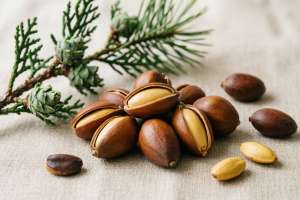
Efficacy and functions of Baiziren
Overview of the efficacy and functions of BaizirenBaiziren is the dried and mature seed kernel of Platycladus orientalis, a plant in the Cupressaceae family. Traditional Chinese medicine believes that it is flat in nature and sweet in taste, and can be used to regulate the heart, kidney, and large intestine meridians.Nourish the heart and calm the nerves, moisturize the intestines and relieve constipation, and nourish the liver and kidneysand other effects.Its main functions include improving sy
-
View
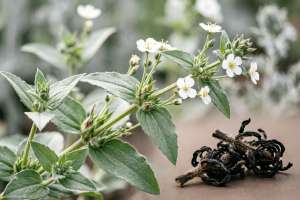
Eclipta Eclipta efficacy and functions
Overview of the efficacy and functions of EcliptaEclipta, also known as Eclipta or Eclipta, is a commonly used medicinal material in traditional Chinese medicine to nourish the liver and kidneys, cool blood and stop bleeding.Its core functions includeNourishes yin and nourishes kidney, blackens beard and hair, stops bleeding and reduces inflammation, the secondary effects involve improving hair loss, relieving gum bleeding and skin eczema.The primary and secondary structure is clear: liver and k
-

View
Function and role of hippocampus
Overview of the functions and functions of the hippocampusSeahorse is a precious marine creature recognized for its many benefits in both traditional medicine and modern research.Its main functions includeReplenishing kidneys and strengthening yang, anti-fatigue, regulating immunity, antioxidantetc., especially the effect of nourishing kidney and replenishing qi is the most prominent.In addition, the hippocampus also plays a certain role in improving blood circulation and relieving neurasthenia.
-
View
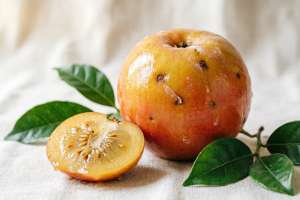
The effects and functions of fragrant fruit
Overview of the effects and functions of fragrant fruitXiangguo, also known as Ligusticum chuanxiong or Shannai, is a plant with both medicinal and edible value, and its rhizomes are often used in traditional Chinese medicine.Its main functions includePromotes blood circulation and removes blood stasis, dispels wind and relieves pain, improves blood circulation, the secondary effects involve relieving headaches, joint pain and women’s menstrual discomfort.The active ingredients of xiangguo, su
-
View
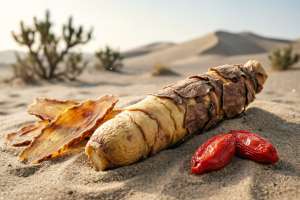
Efficacy and functions of Cistanche deserticola
Overview of the efficacy and functions of Cistanche deserticolaCistanche deserticola, also known as Cistanche deserticola, is a traditional Chinese medicinal material mainly produced in desert areas and is known as "desert ginseng".Its core functions includeReplenishing kidney yang, replenishing essence and blood, moistening intestines and laxative, the secondary effects involve anti-aging, regulating immunity, etc.This article will start from its medicinal value, suitable people, usage methods
-
View
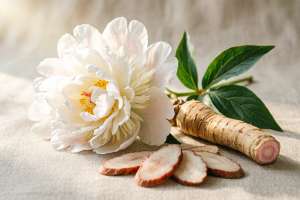
White peony effect and function
Overview of the efficacy and functions of white peony rootWhite peony root is a commonly used blood-nourishing and menstrual-regulating medicine in traditional Chinese medicine.Nourishes blood and softens liver, relieves pain, astringes yin and stops sweatingIt has core functions such as irregular menstruation, hypochondriac pain, spontaneous sweating and night sweats.Its functions can be divided into two categories: primary and secondary:Main functionsIncluding regulating female endocrine, reli
-
View
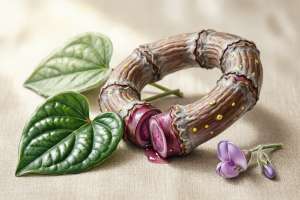
Efficacy and functions of Wu Hua Xue Teng
Overview of the efficacy and functions of SpatholobusFive-flowered bloodvine is a traditional Chinese medicinal material, which mainly hasPromotes blood circulation and removes blood stasis, unblocks collaterals to relieve pain, expels wind and removes dampnessIt has other effects and is often used to treat rheumatic arthralgia, bruises and irregular menstruation.Its core function is to promote blood circulation, relieve inflammation and pain, and its secondary functions include assisting in reg
-
View
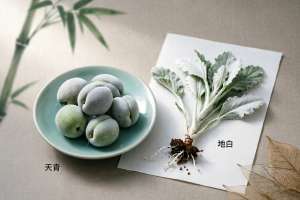
The efficacy and function of Tianqingdibai
Overview of the efficacy and functions of TianqingdibaiTianqing Dibai is a traditional Chinese medicinal material that has the effects of clearing heat and detoxifying, cooling blood and stopping bleeding, reducing swelling and dissipating stagnation. It is often used to treat sore throat, carbuncle sores, bruises and other diseases.Its main components include flavonoids, organic acids and other active substances. Modern research shows that it has certain anti-inflammatory and antibacterial effe
-
View
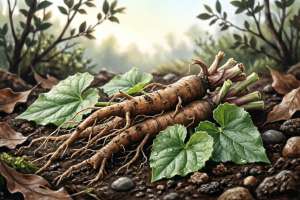
The efficacy and functions of wild buckwheat root
Overview of the efficacy and functions of wild buckwheat rootWild buckwheat root, also known as golden buckwheat, is a traditional Chinese medicinal material that has the functions of clearing heat and detoxifying, activating blood circulation and removing blood stasis, strengthening the spleen and digesting food.Modern research shows that it is rich in active ingredients such as flavonoids and phenolic acids, which has a certain auxiliary effect on respiratory infections, inflammation and diges