
- Current location:Home page >> Traditional Chinese Medicine Health Care
What is Zongqi? How to maintain Zongqi?
2026-03-09 11:24:31
Zongqi Overview and Nursing Guide
Zong Qi is an important Qi in the human body in the theory of traditional Chinese medicine. It is composed of the essence of water and grains and natural Qi. It gathers in the chest and governs breathing, speech and the movement of the heart. Maintaining Zongqi requires three aspects: diet, exercise, and emotions, supplemented by acupoint massage or traditional Chinese medicine. This article will be divided into five parts: firstly, an overview of the definition and function of Zongqi; secondly, a detailed explanation of the manifestations of insufficient Zongqi; then, diet and life maintenance methods are proposed; then, external treatment methods of traditional Chinese medicine are introduced; finally, the main points of maintenance are summarized to help readers systematically master the knowledge of Zongqi maintenance.
The definition and physiological functions of Zongqi
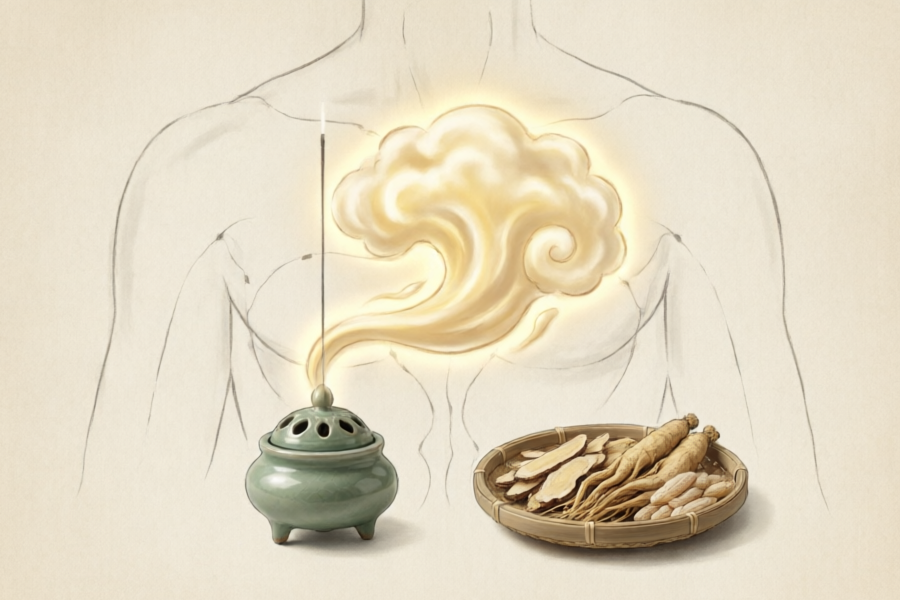
Zong Qi, also known as "big air", is the natural Qi inhaled by the lungs and the water and grain essence transported and transformed by the spleen and stomach in the chest. "Lingshu·Xieke" states that it "accumulates in the chest, emerges from the throat, and penetrates the heart meridians." It can be seen that its core function is to promote breathing, vocalization and blood circulation. People with sufficient Zong Qi have a loud voice, even breathing, and abundant physical strength; otherwise, they have shortness of breath, laziness, palpitations, and weakness. Zhang Jingyue, a physician in the Ming Dynasty, emphasized: "Zong Qi is the root of life and is related to the coordination of the five internal organs." Modern research has also found that Zong Qi is closely related to cardiopulmonary function and immunity, and is a key part of the theory of "righteousness in the body" of traditional Chinese medicine.
Typical manifestations of insufficient Zongqi
When Zong Qi is weak, the human body will experience multi-system symptoms: respiratory symptoms include shortness of breath and wheezing, which are aggravated after exercise; cardiovascular symptoms such as heart palpitations and weak pulse; decreased speech function, such as low voice and intermittent speech. Long-term deficiency of Zongqi may also cause loss of appetite and susceptibility to colds. "Medical Zhongshenxilu" records: "If Zong Qi is depressed, there will be less Qi and insufficient breathing." Modern clinical observation has found that patients with chronic fatigue syndrome, emphysema and other diseases are often accompanied by Zong Qi deficiency. It should be noted that these symptoms need to be distinguished from simple Qi deficiency or blood stasis. TCM syndrome differentiation is often combined with tongue and pulse (pale tongue with white coating, deep and weak pulse) for comprehensive judgment.
Diet and lifestyle regimen
The preferred dietary therapy for regulating and tonifying Zongqi: Regular consumption of japonica rice, yam, red dates, etc. can nourish the spleen and stomach; stewed chicken with astragalus and ginseng porridge can warm and tonify Zongqi, but people with high blood pressure should use it with caution. It is necessary to have a regular schedule in life to avoid overexertion. We recommend the Baduanjin "holding the three energizers of heaven with both hands" breathing exercise. The "Suixiju Diet Manual" of the Qing Dynasty recommends the method of "swallowing saliva to absorb Qi" when you wake up in the morning: on an empty stomach in the morning, take slow and deep breaths for 36 times, and swallow saliva to nourish Zong Qi. In addition, it is necessary to avoid lying down for a long time to damage the Qi. When sitting for a long time, get up every hour to expand the chest and exercise. In terms of emotions, excessive worry can easily damage the spiritual energy. Meditation and music can be used to relieve stress.
External treatment methods and summary of traditional Chinese medicine
External treatment methods can help improve Zongqi: moxibustion at Tanzhong point (the midpoint between the two breasts) for 15 minutes a day, or massage at Feishu point (1.5 inches from the third thoracic vertebra). Traditional Chinese medicine prescriptions such as "Shengxian Decoction" (containing astragalus, anemarrhena, etc.) must be used under the guidance of a physician. The well-known Chinese patent medicine "Buzhong Yiqi Pills" (manufacturers: Beijing Tongrentang, Lanzhou Foci Pharmaceutical) is effective for mild Zongqi depression, but it cannot replace syndrome differentiation treatment. Finally, it is emphasized that the maintenance of Zongqi requires persistence and requires a multi-pronged approach of diet, exercise, and emotions. In severe cases, timely medical treatment is required. As the "Huangdi Neijing" says: "The way of Zongqi is solid on the inside and soft on the outside. Keep it and don't lose it."
| Common Buzongqi Chinese Patent Medicines | Manufacturer | Main ingredients |
|---|---|---|
| Buzhong Yiqi Pills | Beijing Tongrentang, Lanzhou Foci | Astragalus, licorice, atractylodes, etc. |
| Shengmaiyin Oral Liquid | Tianjin Darentang | Ginseng, Ophiopogon japonicus, Schisandra chinensis |
Quote source:1. "Huangdi Neijing·Lingshu" medical classics from the Warring States Period to the Han Dynasty 2. Zhang Jingyue's "Lei Jing" Ming Dynasty medical works 3. Beijing Tongrentang official website product description (2023 edition) Note: The use of proprietary Chinese medicines must be based on medical advice. This article does not guarantee the efficacy.
Relevant knowledge
- 2026-09-30How to maintain health during the hot summer?
- 2026-09-30How to maintain health during Xiaoshu?
- 2026-09-30How to maintain health during the summer solstice?
- 2026-09-29How to maintain the health of Eargrass?
- 2026-09-29How does Xiaoman maintain his health?
- 2026-09-29How to maintain health in Beginning of Summer?
- 2026-09-29How to maintain health during Guyu?
- 2026-09-28How to maintain health during Qingming Festival?
- 2026-09-28How to maintain health during the Spring Equinox?
- 2026-09-28How to maintain health in Jingzhe?
- 2026-09-28How to maintain health through rainwater?
- 2026-09-28How to maintain health at the beginning of spring?
- 2026-09-28What is the relationship between the twenty-four solar terms and health preservation?
- 2026-09-27How to prevent cold evil in winter?
- 2026-09-27How to take care of your emotions in winter?
- 2026-09-27What should you pay attention to when dressing in winter?
- 2026-09-26What should you pay attention to when sleeping in winter?
- 2026-09-26How to prevent cardiovascular and cerebrovascular diseases in winter?
Chinese medicinal materials
More-

View
The efficacy and function of Baiziren
Overview of the efficacy and functions of BaizirenBaiziren is the dried and mature seed kernel of Platycladus orientalis, a plant in the Cupressaceae family. Traditional Chinese medicine believes that it is flat in nature and sweet in taste, and can be used to regulate the heart, kidney, and large intestine meridians.Nourish the heart and calm the nerves, moisturize the intestines and relieve constipation, and nourish the liver and kidneysand other effects.Modern research shows that cypress seed
-

View
The efficacy and function of plum slices
Overview of the effects and functions of plum slicesPlum slices, also known as borneol or dipterocarp, is a traditional Chinese medicinal material that has the effects of rejuvenating the mind, clearing away heat and relieving pain, reducing swelling and promoting muscle growth.Its main component is dextroborneol, which is widely used in the fields of medicine, cosmetics and spices.The core functions of plum slices include relieving headaches, anti-inflammatory and sterilizing, promoting wound h
-

View
Efficacy and functions of Kochia bark
Overview of the efficacy and functions of Kochia barkKochia bark, also known as broom seedling, is a commonly used medicinal material in traditional Chinese medicine for clearing away heat and promoting dampness.Diuretic and relieve stranguria, dispel wind and relieve itching, clear away heat and detoxifyand other effects.It mainly acts on urinary system inflammation, skin itching and damp-heat jaundice, and is widely used clinically.Secondary functions include assisting in lowering blood sugar,
-

View
Efficacy and functions of Baiziren
Overview of the efficacy and functions of BaizirenBaiziren is the dried and mature seed kernel of Platycladus orientalis, a plant in the Cupressaceae family. Traditional Chinese medicine believes that it is flat in nature and sweet in taste, and can be used to regulate the heart, kidney, and large intestine meridians.Nourish the heart and calm the nerves, moisturize the intestines and relieve constipation, and nourish the liver and kidneysand other effects.Its main functions include improving sy
-

View
Eclipta Eclipta efficacy and functions
Overview of the efficacy and functions of EcliptaEclipta, also known as Eclipta or Eclipta, is a commonly used medicinal material in traditional Chinese medicine to nourish the liver and kidneys, cool blood and stop bleeding.Its core functions includeNourishes yin and nourishes kidney, blackens beard and hair, stops bleeding and reduces inflammation, the secondary effects involve improving hair loss, relieving gum bleeding and skin eczema.The primary and secondary structure is clear: liver and k
-

View
Function and role of hippocampus
Overview of the functions and functions of the hippocampusSeahorse is a precious marine creature recognized for its many benefits in both traditional medicine and modern research.Its main functions includeReplenishing kidneys and strengthening yang, anti-fatigue, regulating immunity, antioxidantetc., especially the effect of nourishing kidney and replenishing qi is the most prominent.In addition, the hippocampus also plays a certain role in improving blood circulation and relieving neurasthenia.
-

View
The effects and functions of fragrant fruit
Overview of the effects and functions of fragrant fruitXiangguo, also known as Ligusticum chuanxiong or Shannai, is a plant with both medicinal and edible value, and its rhizomes are often used in traditional Chinese medicine.Its main functions includePromotes blood circulation and removes blood stasis, dispels wind and relieves pain, improves blood circulation, the secondary effects involve relieving headaches, joint pain and women’s menstrual discomfort.The active ingredients of xiangguo, su
-

View
Efficacy and functions of Cistanche deserticola
Overview of the efficacy and functions of Cistanche deserticolaCistanche deserticola, also known as Cistanche deserticola, is a traditional Chinese medicinal material mainly produced in desert areas and is known as "desert ginseng".Its core functions includeReplenishing kidney yang, replenishing essence and blood, moistening intestines and laxative, the secondary effects involve anti-aging, regulating immunity, etc.This article will start from its medicinal value, suitable people, usage methods
-

View
White peony effect and function
Overview of the efficacy and functions of white peony rootWhite peony root is a commonly used blood-nourishing and menstrual-regulating medicine in traditional Chinese medicine.Nourishes blood and softens liver, relieves pain, astringes yin and stops sweatingIt has core functions such as irregular menstruation, hypochondriac pain, spontaneous sweating and night sweats.Its functions can be divided into two categories: primary and secondary:Main functionsIncluding regulating female endocrine, reli
-

View
Efficacy and functions of Wu Hua Xue Teng
Overview of the efficacy and functions of SpatholobusFive-flowered bloodvine is a traditional Chinese medicinal material, which mainly hasPromotes blood circulation and removes blood stasis, unblocks collaterals to relieve pain, expels wind and removes dampnessIt has other effects and is often used to treat rheumatic arthralgia, bruises and irregular menstruation.Its core function is to promote blood circulation, relieve inflammation and pain, and its secondary functions include assisting in reg
-
View
The efficacy and function of Tianqingdibai
Overview of the efficacy and functions of TianqingdibaiTianqing Dibai is a traditional Chinese medicinal material that has the effects of clearing heat and detoxifying, cooling blood and stopping bleeding, reducing swelling and dissipating stagnation. It is often used to treat sore throat, carbuncle sores, bruises and other diseases.Its main components include flavonoids, organic acids and other active substances. Modern research shows that it has certain anti-inflammatory and antibacterial effe
-
View
The efficacy and functions of wild buckwheat root
Overview of the efficacy and functions of wild buckwheat rootWild buckwheat root, also known as golden buckwheat, is a traditional Chinese medicinal material that has the functions of clearing heat and detoxifying, activating blood circulation and removing blood stasis, strengthening the spleen and digesting food.Modern research shows that it is rich in active ingredients such as flavonoids and phenolic acids, which has a certain auxiliary effect on respiratory infections, inflammation and diges