
- Current location:Home page >> Traditional Chinese Medicine Health Care
What are meridians? What are the functions of meridians?
2026-03-09 20:45:32
First paragraph: content overview
Meridians are a system of energy channels that run through the human body in the theory of traditional Chinese medicine. They are mainly composed of meridians and collaterals. They are responsible for moving Qi and blood, connecting organs and regulating physiological functions. The theory of meridians is the core basis of diagnosis and treatment of traditional Chinese medicine, and is widely used in acupuncture, massage, qigong and other fields. This article will start from four aspects: the definition, structure, function and modern research of meridians, focusing on analyzing their physiological effects and clinical value, helping readers understand the scientific nature and practicality of this traditional medical concept.
Paragraph 2: Definition and structure of meridians
Meridians are invisible energy pathway networks in the human body, includingTwelve canons(such as Taiyin Lung Meridian of Hand, Stomach Meridian of Foot Yangming, etc.) andEight Extraordinary Meridians(Such as Ren meridian and Du meridian). Meridians are main trunks, distributed vertically; collaterals are branches, connected horizontally. Traditional Chinese medicine believes that meridians are connected internally to the internal organs and externally to the limbs, and maintain life activities through the movement of qi and blood. Modern research suggests that meridians may be related to fascial tissue and neuro-endocrine-immune networks, but the specific mechanisms are still being explored.
Section 3: Functions of meridians
The core functions of meridians areRun Qi and bloodandBalance Yin and Yang. Qi and blood nourish the whole body through the meridians. If the meridians are blocked, it will cause pain or disease (such as "there is no pain when the meridians are clear, and there is no pain when there is pain"). In addition, meridians can regulate the functions of the internal organs. For example, stimulating the Zusanli point (stomach meridian) can improve digestion. Traditional Chinese medicine uses acupuncture, moxibustion or massage to clear the meridians to achieve therapeutic purposes. Modern medicine has also discovered that acupuncture analgesia is related to the stimulation of meridians to activate the release of endorphins.
Paragraph 4: Modern research and verification of meridians
In recent years, research has attempted to use scientific means to verify meridians. For example, infrared imaging has shown that acupoint temperatures are abnormal, and conductivity testing has found that the resistance of meridian lines is low. Some scholars have proposed the "fascial theory" and believe that meridians are related to signal transmission in connective tissue. Although it has not been completely decrypted, the World Health Organization (WHO) has recognized the effectiveness of acupuncture on 43 diseases, indirectly supporting the meridian theory. Domestic such asBeijing University of Chinese Medicineand other institutions continue to carry out relevant research.
Paragraph 5: Summary and Outlook
As a unique theory of traditional Chinese medicine, meridians have both traditional wisdom and modern scientific value. Although its mechanism of action is not completely clear, its clinical efficacy has been widely recognized. In the future, it is necessary to deepen research in combination with biophysics, molecular biology and other disciplines to promote the integration of traditional Chinese and Western medicine. Ordinary people can maintain smooth meridians and improve their health through moderate massage or practicing Tai Chi and other health methods.
| Product name | Manufacturer | Application direction |
|---|---|---|
| Meridian detector | Affiliated Hospital of Tianjin University of Traditional Chinese Medicine | Acupoint conductance analysis |
| Moxibustion patch | Nanyang Mugwort Industry Association | Warming and clearing meridians |
Quote source:
1. "Huangdi Neijing" - a classic work of traditional Chinese medicine, which lays the foundation of meridian theory.
2. World Health Organization (WHO) report "Guidelines for the Clinical Application of Acupuncture".
3. Zhang Boli (Academician of the Chinese Academy of Engineering): "Research Progress in the Modernization of Meridians of Traditional Chinese Medicine".
4. Examples of manufacturers: Nanyang Xianherbal Industry (moxibustion products), Beijing Huatuo Acupuncture Equipment Co., Ltd.
Relevant knowledge
- 2026-09-30How to maintain health during the hot summer?
- 2026-09-30How to maintain health during Xiaoshu?
- 2026-09-30How to maintain health during the summer solstice?
- 2026-09-29How to maintain the health of Eargrass?
- 2026-09-29How does Xiaoman maintain his health?
- 2026-09-29How to maintain health in Beginning of Summer?
- 2026-09-29How to maintain health during Guyu?
- 2026-09-28How to maintain health during Qingming Festival?
- 2026-09-28How to maintain health during the Spring Equinox?
- 2026-09-28How to maintain health in Jingzhe?
- 2026-09-28How to maintain health through rainwater?
- 2026-09-28How to maintain health at the beginning of spring?
- 2026-09-28What is the relationship between the twenty-four solar terms and health preservation?
- 2026-09-27How to prevent cold evil in winter?
- 2026-09-27How to take care of your emotions in winter?
- 2026-09-27What should you pay attention to when dressing in winter?
- 2026-09-26What should you pay attention to when sleeping in winter?
- 2026-09-26How to prevent cardiovascular and cerebrovascular diseases in winter?
Chinese medicinal materials
More-
View
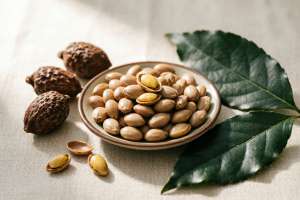
The efficacy and function of Baiziren
Overview of the efficacy and functions of BaizirenBaiziren is the dried and mature seed kernel of Platycladus orientalis, a plant in the Cupressaceae family. Traditional Chinese medicine believes that it is flat in nature and sweet in taste, and can be used to regulate the heart, kidney, and large intestine meridians.Nourish the heart and calm the nerves, moisturize the intestines and relieve constipation, and nourish the liver and kidneysand other effects.Modern research shows that cypress seed
-
View
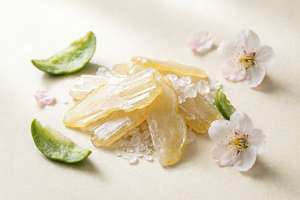
The efficacy and function of plum slices
Overview of the effects and functions of plum slicesPlum slices, also known as borneol or dipterocarp, is a traditional Chinese medicinal material that has the effects of rejuvenating the mind, clearing away heat and relieving pain, reducing swelling and promoting muscle growth.Its main component is dextroborneol, which is widely used in the fields of medicine, cosmetics and spices.The core functions of plum slices include relieving headaches, anti-inflammatory and sterilizing, promoting wound h
-
View
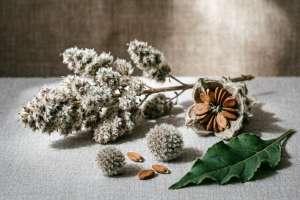
Efficacy and functions of Kochia bark
Overview of the efficacy and functions of Kochia barkKochia bark, also known as broom seedling, is a commonly used medicinal material in traditional Chinese medicine for clearing away heat and promoting dampness.Diuretic and relieve stranguria, dispel wind and relieve itching, clear away heat and detoxifyand other effects.It mainly acts on urinary system inflammation, skin itching and damp-heat jaundice, and is widely used clinically.Secondary functions include assisting in lowering blood sugar,
-
View
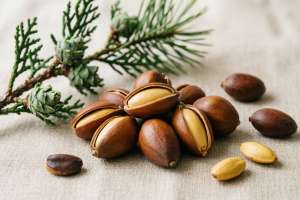
Efficacy and functions of Baiziren
Overview of the efficacy and functions of BaizirenBaiziren is the dried and mature seed kernel of Platycladus orientalis, a plant in the Cupressaceae family. Traditional Chinese medicine believes that it is flat in nature and sweet in taste, and can be used to regulate the heart, kidney, and large intestine meridians.Nourish the heart and calm the nerves, moisturize the intestines and relieve constipation, and nourish the liver and kidneysand other effects.Its main functions include improving sy
-
View
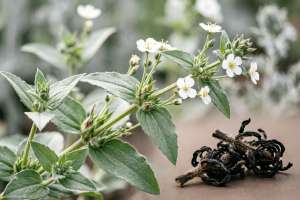
Eclipta Eclipta efficacy and functions
Overview of the efficacy and functions of EcliptaEclipta, also known as Eclipta or Eclipta, is a commonly used medicinal material in traditional Chinese medicine to nourish the liver and kidneys, cool blood and stop bleeding.Its core functions includeNourishes yin and nourishes kidney, blackens beard and hair, stops bleeding and reduces inflammation, the secondary effects involve improving hair loss, relieving gum bleeding and skin eczema.The primary and secondary structure is clear: liver and k
-

View
Function and role of hippocampus
Overview of the functions and functions of the hippocampusSeahorse is a precious marine creature recognized for its many benefits in both traditional medicine and modern research.Its main functions includeReplenishing kidneys and strengthening yang, anti-fatigue, regulating immunity, antioxidantetc., especially the effect of nourishing kidney and replenishing qi is the most prominent.In addition, the hippocampus also plays a certain role in improving blood circulation and relieving neurasthenia.
-
View
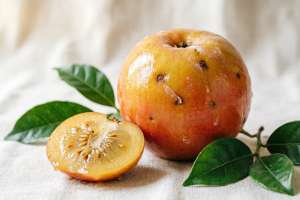
The effects and functions of fragrant fruit
Overview of the effects and functions of fragrant fruitXiangguo, also known as Ligusticum chuanxiong or Shannai, is a plant with both medicinal and edible value, and its rhizomes are often used in traditional Chinese medicine.Its main functions includePromotes blood circulation and removes blood stasis, dispels wind and relieves pain, improves blood circulation, the secondary effects involve relieving headaches, joint pain and women’s menstrual discomfort.The active ingredients of xiangguo, su
-
View
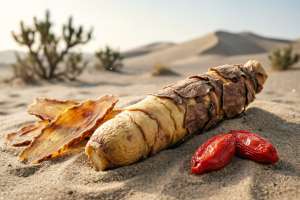
Efficacy and functions of Cistanche deserticola
Overview of the efficacy and functions of Cistanche deserticolaCistanche deserticola, also known as Cistanche deserticola, is a traditional Chinese medicinal material mainly produced in desert areas and is known as "desert ginseng".Its core functions includeReplenishing kidney yang, replenishing essence and blood, moistening intestines and laxative, the secondary effects involve anti-aging, regulating immunity, etc.This article will start from its medicinal value, suitable people, usage methods
-
View
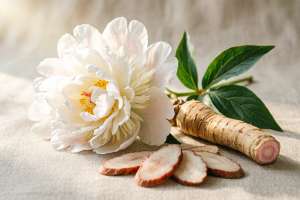
White peony effect and function
Overview of the efficacy and functions of white peony rootWhite peony root is a commonly used blood-nourishing and menstrual-regulating medicine in traditional Chinese medicine.Nourishes blood and softens liver, relieves pain, astringes yin and stops sweatingIt has core functions such as irregular menstruation, hypochondriac pain, spontaneous sweating and night sweats.Its functions can be divided into two categories: primary and secondary:Main functionsIncluding regulating female endocrine, reli
-
View
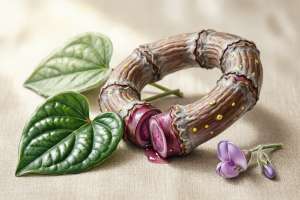
Efficacy and functions of Wu Hua Xue Teng
Overview of the efficacy and functions of SpatholobusFive-flowered bloodvine is a traditional Chinese medicinal material, which mainly hasPromotes blood circulation and removes blood stasis, unblocks collaterals to relieve pain, expels wind and removes dampnessIt has other effects and is often used to treat rheumatic arthralgia, bruises and irregular menstruation.Its core function is to promote blood circulation, relieve inflammation and pain, and its secondary functions include assisting in reg
-
View
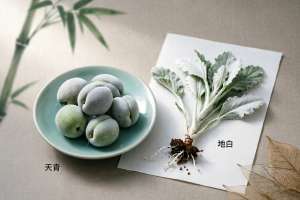
The efficacy and function of Tianqingdibai
Overview of the efficacy and functions of TianqingdibaiTianqing Dibai is a traditional Chinese medicinal material that has the effects of clearing heat and detoxifying, cooling blood and stopping bleeding, reducing swelling and dissipating stagnation. It is often used to treat sore throat, carbuncle sores, bruises and other diseases.Its main components include flavonoids, organic acids and other active substances. Modern research shows that it has certain anti-inflammatory and antibacterial effe
-
View
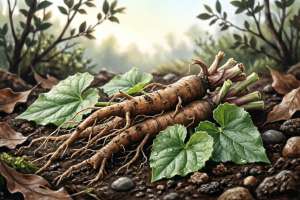
The efficacy and functions of wild buckwheat root
Overview of the efficacy and functions of wild buckwheat rootWild buckwheat root, also known as golden buckwheat, is a traditional Chinese medicinal material that has the functions of clearing heat and detoxifying, activating blood circulation and removing blood stasis, strengthening the spleen and digesting food.Modern research shows that it is rich in active ingredients such as flavonoids and phenolic acids, which has a certain auxiliary effect on respiratory infections, inflammation and diges