
- Current location:Home page >> Traditional Chinese Medicine Health Care
When is the best time to start traditional Chinese medicine health care?
2026-03-17 22:42:41
When is the best time to start a traditional Chinese medicine regimen? Grasp the rhythm of life and follow the way of nature
Traditional Chinese medicine health care emphasizes "treating the disease before it's too late" and believes that the earlier you start health care, the better. However, different age groups need to focus on different methods. The core principle is to comply with natural rhythms, such as the four seasons, day and night schedule, etc. In childhood, the focus is on cultivating physical fitness, in adolescence it is necessary to regulate stress, in middle age the focus is on replenishing qi and blood, and in the elderly it is important to harmonize yin and yang. The key is to choose the appropriate method according to individual constitution (such as Qi deficiency, dampness and heat, etc.) rather than blindly supplementing or following the trend.
Life Stages and Health Preservation Opportunities: From "Children's Skills" to Longevity
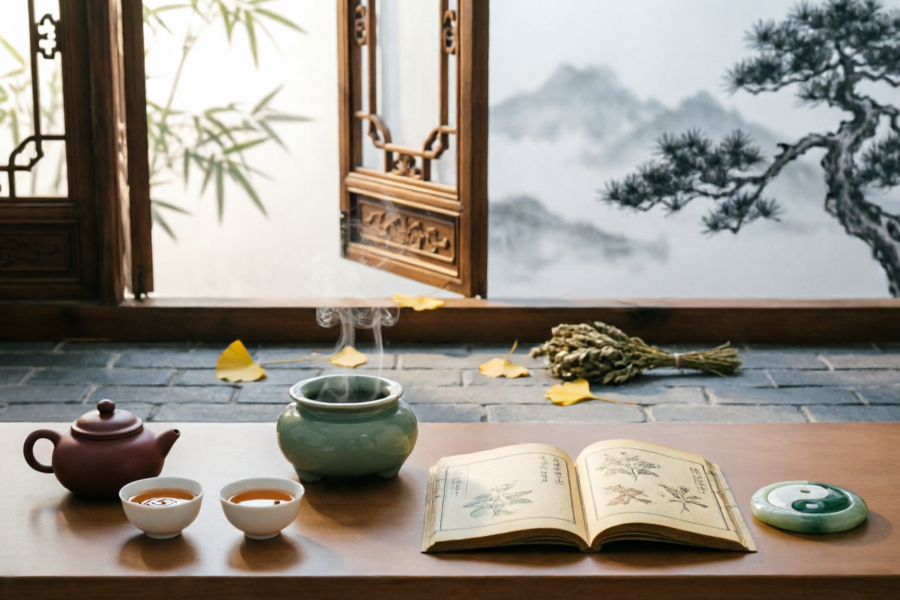
The ancient Chinese medicine book "Huangdi Neijing" puts forward the life cycle theory of "seven years for women and eight years for men", indicating the key points of health maintenance at each stage. Children (0-14 years old) can strengthen the spleen and stomach through chiropractic and diet therapy; youth (15-35 years old) need to soothe the liver and relieve stagnation to avoid staying up late and depleting yin and blood; middle-aged people (36-55 years old) should pay attention to dredging the qi and prevent "three highs"; old age (after 56 years old) should mainly rest and practice gentle exercises such as Baduanjin. Deng Tietao, a well-known expert in traditional Chinese medicine, once emphasized: "Keeping good health is like saving money. Don't overdraw when you are young, but you can use it when you are old."
Four Seasons Health Timetable: The Wisdom of the Twenty-Four Solar Terms
The twenty-four solar terms are important time coordinates for traditional Chinese medicine health preservation. In spring (beginning of spring to beginning of summer), you should soothe the liver and nourish yang, and you can drink chrysanthemum and wolfberry tea; in summer (beginning of summer to beginning of autumn), you need to clear away heat and remove dampness, and mung bean and coix seed porridge is recommended; in autumn (beginning of autumn to beginning of winter), you want to moisten the lungs and prevent dryness, and it is suitable to eat white fungus lily; in winter (beginning of winter to severe cold), to warm and nourish the kidneys, you can use angelica, ginger and mutton soup. Research by Professor Wang Qi’s team at Beijing University of Chinese Medicine found that people who adjust their work and rest according to the solar terms can reduce the incidence of chronic diseases by 40%.
Golden time for daily health: Twelve hour health regimen
According to the Ziwu flow theory of traditional Chinese medicine, the day is divided into 12 health-preserving periods: Mao hour (5-7 o'clock) is suitable for defecation, Chen hour (7-9 o'clock) is for breakfast to nourish the stomach, noon hour (11-13 o'clock) is a nap to nourish the heart, and You hour (17-19 o'clock) is for exercise to strengthen the kidneys. Li Shizhen, a physician in the Ming Dynasty, recorded in "Compendium of Materia Medica": "Getting up early in spring and summer and getting up late in autumn and winter are in harmony with Yang Qi." Modern research shows that people who adhere to the habit of "early to bed and early to get up" have cortisol levels that are 30% lower than those who stay up late.
Health care starts now: personalized plans are more important
No matter when you start a regimen, the key is to choose a plan based on your body type. People with qi deficiency can always keep astragalus, those with yin deficiency are suitable for Ophiopogon japonicus, and those with damp and hot constitutions should use adzuki beans. The well-known Chinese patent medicines Tongrentang Liuwei Dihuang Pills (kidney-tonifying) and Guangyu Yuangui Lingji (anti-aging) must be used according to the doctor's advice. Health preservation does not have to be limited to a specific age. As the "Health Preservation Theory" says: "It is not too late to make up for it." Establishing good living habits, combined with moderate exercise (such as Tai Chi) and emotional regulation (such as meditation), is the best start to health care.
| health stage | Recommended method | Representative prescriptions/products |
|---|---|---|
| teenager | Spleen and digestion massage | Jiangzhongjianweixiaoshi tablets |
| middle age | Soothing liver and regulating qi tea | Baiyunshan Xiaoyao Pills |
| old age | Qi and blood nourishing dietary therapy | Dong'e donkey-hide gelatin solid essence ointment |
References:
1. "Huangdi Neijing", a medical classic from the Spring and Autumn Period and the Warring States Period
2. Deng Tietao "TCM Health" Guangdong Science and Technology Press
3. Wang Qi's "Nine Constitutions of Health" People's Medical Publishing House
4. Li Shizhen's "Compendium of Materia Medica", a medical work of the Ming Dynasty
5. Clinical data source: China Academy of Chinese Medical Sciences 2022 Health Research Report
Relevant knowledge
- 2026-10-01How to maintain health at the beginning of autumn?
- 2026-09-30How to maintain health during the hot summer?
- 2026-09-30How to maintain health during Xiaoshu?
- 2026-09-30How to maintain health during the summer solstice?
- 2026-09-29How to maintain the health of Eargrass?
- 2026-09-29How does Xiaoman maintain his health?
- 2026-09-29How to maintain health in Beginning of Summer?
- 2026-09-29How to maintain health during Guyu?
- 2026-09-28How to maintain health during Qingming Festival?
- 2026-09-28How to maintain health during the Spring Equinox?
- 2026-09-28How to maintain health in Jingzhe?
- 2026-09-28How to maintain health through rainwater?
- 2026-09-28How to maintain health at the beginning of spring?
- 2026-09-28What is the relationship between the twenty-four solar terms and health preservation?
- 2026-09-27How to prevent cold evil in winter?
- 2026-09-27How to take care of your emotions in winter?
- 2026-09-27What should you pay attention to when dressing in winter?
- 2026-09-26What should you pay attention to when sleeping in winter?
Chinese medicinal materials
More-
View
The efficacy and function of locust bean
Overview of the efficacy and functions of locust beanSophora bean, also known as Sophora japonica or Sophora japonica, is the mature fruit of Sophora japonica tree, a leguminous plant, and has various medicinal values in traditional medicine.Its main functions includeClears away heat and cools blood, moisturizes intestines and relieves constipation, lowers blood pressure, and resists oxidationetc., suitable for relieving symptoms such as hemorrhoids, bloody stools, and high blood pressure.Modern
-
View
The efficacy and function of Baiziren
Overview of the efficacy and functions of BaizirenBaiziren is the dried and mature seed kernel of Platycladus orientalis, a plant in the Cupressaceae family. Traditional Chinese medicine believes that it is flat in nature and sweet in taste, and can be used to regulate the heart, kidney, and large intestine meridians.Nourish the heart and calm the nerves, moisturize the intestines and relieve constipation, and nourish the liver and kidneysand other effects.Modern research shows that cypress seed
-
View
The efficacy and function of plum slices
Overview of the effects and functions of plum slicesPlum slices, also known as borneol or dipterocarp, is a traditional Chinese medicinal material that has the effects of rejuvenating the mind, clearing away heat and relieving pain, reducing swelling and promoting muscle growth.Its main component is dextroborneol, which is widely used in the fields of medicine, cosmetics and spices.The core functions of plum slices include relieving headaches, anti-inflammatory and sterilizing, promoting wound h
-
View
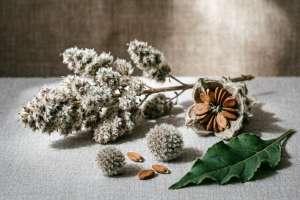
Efficacy and functions of Kochia bark
Overview of the efficacy and functions of Kochia barkKochia bark, also known as broom seedling, is a commonly used medicinal material in traditional Chinese medicine for clearing away heat and promoting dampness.Diuretic and relieve stranguria, dispel wind and relieve itching, clear away heat and detoxifyand other effects.It mainly acts on urinary system inflammation, skin itching and damp-heat jaundice, and is widely used clinically.Secondary functions include assisting in lowering blood sugar,
-
View
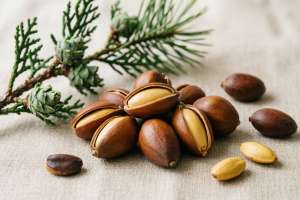
Efficacy and functions of Baiziren
Overview of the efficacy and functions of BaizirenBaiziren is the dried and mature seed kernel of Platycladus orientalis, a plant in the Cupressaceae family. Traditional Chinese medicine believes that it is flat in nature and sweet in taste, and can be used to regulate the heart, kidney, and large intestine meridians.Nourish the heart and calm the nerves, moisturize the intestines and relieve constipation, and nourish the liver and kidneysand other effects.Its main functions include improving sy
-
View
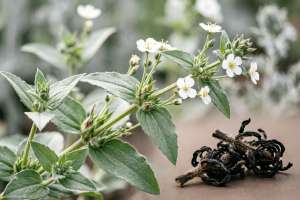
Eclipta Eclipta efficacy and functions
Overview of the efficacy and functions of EcliptaEclipta, also known as Eclipta or Eclipta, is a commonly used medicinal material in traditional Chinese medicine to nourish the liver and kidneys, cool blood and stop bleeding.Its core functions includeNourishes yin and nourishes kidney, blackens beard and hair, stops bleeding and reduces inflammation, the secondary effects involve improving hair loss, relieving gum bleeding and skin eczema.The primary and secondary structure is clear: liver and k
-

View
Function and role of hippocampus
Overview of the functions and functions of the hippocampusSeahorse is a precious marine creature recognized for its many benefits in both traditional medicine and modern research.Its main functions includeReplenishing kidneys and strengthening yang, anti-fatigue, regulating immunity, antioxidantetc., especially the effect of nourishing kidney and replenishing qi is the most prominent.In addition, the hippocampus also plays a certain role in improving blood circulation and relieving neurasthenia.
-
View
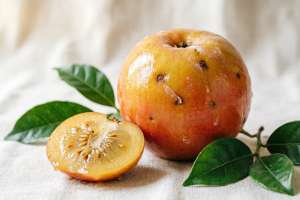
The effects and functions of fragrant fruit
Overview of the effects and functions of fragrant fruitXiangguo, also known as Ligusticum chuanxiong or Shannai, is a plant with both medicinal and edible value, and its rhizomes are often used in traditional Chinese medicine.Its main functions includePromotes blood circulation and removes blood stasis, dispels wind and relieves pain, improves blood circulation, the secondary effects involve relieving headaches, joint pain and women’s menstrual discomfort.The active ingredients of xiangguo, su
-
View
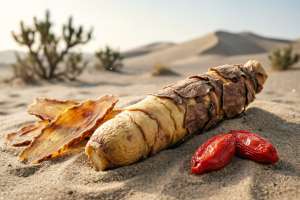
Efficacy and functions of Cistanche deserticola
Overview of the efficacy and functions of Cistanche deserticolaCistanche deserticola, also known as Cistanche deserticola, is a traditional Chinese medicinal material mainly produced in desert areas and is known as "desert ginseng".Its core functions includeReplenishing kidney yang, replenishing essence and blood, moistening intestines and laxative, the secondary effects involve anti-aging, regulating immunity, etc.This article will start from its medicinal value, suitable people, usage methods
-
View
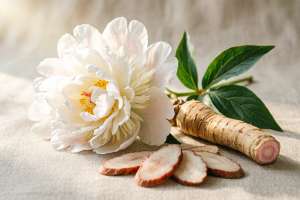
White peony effect and function
Overview of the efficacy and functions of white peony rootWhite peony root is a commonly used blood-nourishing and menstrual-regulating medicine in traditional Chinese medicine.Nourishes blood and softens liver, relieves pain, astringes yin and stops sweatingIt has core functions such as irregular menstruation, hypochondriac pain, spontaneous sweating and night sweats.Its functions can be divided into two categories: primary and secondary:Main functionsIncluding regulating female endocrine, reli
-
View
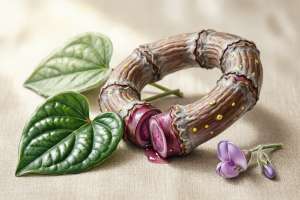
Efficacy and functions of Wu Hua Xue Teng
Overview of the efficacy and functions of SpatholobusFive-flowered bloodvine is a traditional Chinese medicinal material, which mainly hasPromotes blood circulation and removes blood stasis, unblocks collaterals to relieve pain, expels wind and removes dampnessIt has other effects and is often used to treat rheumatic arthralgia, bruises and irregular menstruation.Its core function is to promote blood circulation, relieve inflammation and pain, and its secondary functions include assisting in reg
-
View
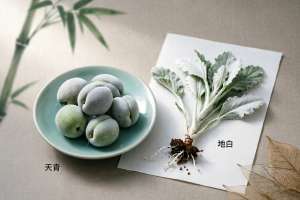
The efficacy and function of Tianqingdibai
Overview of the efficacy and functions of TianqingdibaiTianqing Dibai is a traditional Chinese medicinal material that has the effects of clearing heat and detoxifying, cooling blood and stopping bleeding, reducing swelling and dissipating stagnation. It is often used to treat sore throat, carbuncle sores, bruises and other diseases.Its main components include flavonoids, organic acids and other active substances. Modern research shows that it has certain anti-inflammatory and antibacterial effe