
- Current location:Home page >> Traditional Chinese Medicine Health Care
What are the characteristics of Buddhist health preservation?
2026-03-20 11:15:35
The core characteristics of Buddhist health care: unity of body and mind and harmony with nature
Buddhist health careAdjusting the mind is the foundation and self-cultivation is the supplement, which emphasizes achieving physical and mental health through inner practice. Its characteristics can be summarized as:Eat lightly and moderately(Such as vegetarian, not eating after lunch),Daily routine(Follow the natural schedule),meditation meditation(Relaxing the breath and nourishing the mind) andCompassionate attitude(Emotionally peaceful). In terms of primary and secondary structure, psychological adjustment is the core and living habits are the practical support. The two are combined to form a complete health care system.
Paragraph 2: The pure way of eating and maintaining health
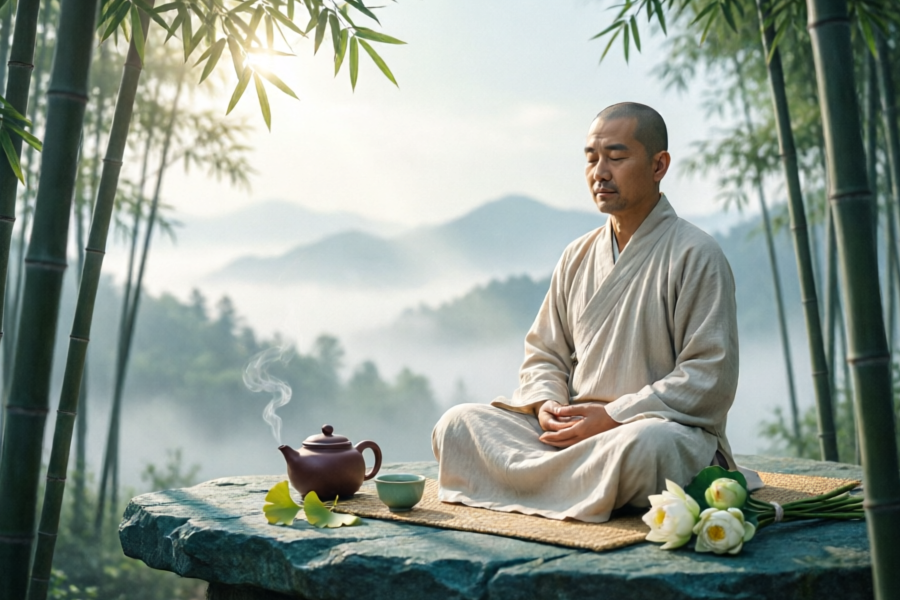
Buddhist dietary ideasLight and natural, avoid meaty and spicy foods, and eat mainly grains, fruits and vegetables to reduce the burden of desire on the body. For example, the "Sifen Rule" records that monks "do not eat after noon". Modern research believes that moderate light fasting can promote metabolism. Some temples also make their own health-preserving dietary recipes, such asPoria cake, lotus seed porridge, emphasizing the matching of food and seasons. The organic vegetarian products launched by brands such as Taiwan’s “Liren” draw on this concept.
Paragraph 3: Synchronize daily life and rest with nature
advocated by Buddhism"Work at sunrise and rest at sunset", believing that the movement of human qi and blood corresponds to the rhythm of heaven and earth. The strict work and rest system of the temple (such as morning bells and evening drums) coincides with the modern biological clock theory. The old monk Xuyun once said: "A calm mind brings peace of mind." Regular sleep and moderate labor (such as "out-slope" farming) can reconcile yin and yang. Zen home products launched by Japanese brands such as "MUJI" are also inspired by this to design sleep aid products.
Paragraph 4: Meditation and Emotional Management
The most unique thing about Buddhist health care isZen practice, by observing breathing, chanting mantras, etc. to settle distracting thoughts. Scientific research shows that meditating for 15 minutes a day can reduce cortisol levels. Master Hsing Yun proposed "Three Good Movements”——Speak good words, have good intentions, do good deeds, and integrate psychological adjustment into daily life. Mindfulness apps such as Headspace in the United States incorporate Buddhist meditation techniques.
Summary: Holistic View and Contemporary Values
Buddhist health preservation is not an isolated method;The trinity of physical and mental environmentwisdom. Its core concept - be content with less desire and follow nature, has enlightening significance for modern people to deal with stress and sub-health. It is worth noting that this type of health regimen requires long-term persistence and overly religious interpretations should be avoided. Some of the recipes for herbal teas launched by domestic brands such as "Tongrentang" refer to the Buddhist medical classic "Qian Jin Yifang》.
| Related product examples | Manufacturer | Source of idea |
|---|---|---|
| organic grain flour | Liren (Taiwan) | Buddhist fasting culture |
| Zen Aromatherapy | MUJI (Japan) | Temple living aesthetics |
| mindfulness meditation course | Headspace (USA) | Buddhist meditation methods |
Quote sources:
1. Health preservation records in the Buddhist scriptures "Si Fen Lv" and "Qian Jin Yi Fang"
2. Elder monk Xuyun’s teachings on work and rest in "Essentials of Zen Practice"
3. Master Hsing Yun’s discussion of psychological health preservation in “Humanistic Buddhism”
4. Hyundai product data comes from public information on each brand’s official website
Relevant knowledge
- 2026-09-30How to maintain health during the hot summer?
- 2026-09-30How to maintain health during Xiaoshu?
- 2026-09-30How to maintain health during the summer solstice?
- 2026-09-29How to maintain the health of Eargrass?
- 2026-09-29How does Xiaoman maintain his health?
- 2026-09-29How to maintain health in Beginning of Summer?
- 2026-09-29How to maintain health during Guyu?
- 2026-09-28How to maintain health during Qingming Festival?
- 2026-09-28How to maintain health during the Spring Equinox?
- 2026-09-28How to maintain health in Jingzhe?
- 2026-09-28How to maintain health through rainwater?
- 2026-09-28How to maintain health at the beginning of spring?
- 2026-09-28What is the relationship between the twenty-four solar terms and health preservation?
- 2026-09-27How to prevent cold evil in winter?
- 2026-09-27How to take care of your emotions in winter?
- 2026-09-27What should you pay attention to when dressing in winter?
- 2026-09-26What should you pay attention to when sleeping in winter?
- 2026-09-26How to prevent cardiovascular and cerebrovascular diseases in winter?
Chinese medicinal materials
More-
View
The efficacy and function of Baiziren
Overview of the efficacy and functions of BaizirenBaiziren is the dried and mature seed kernel of Platycladus orientalis, a plant in the Cupressaceae family. Traditional Chinese medicine believes that it is flat in nature and sweet in taste, and can be used to regulate the heart, kidney, and large intestine meridians.Nourish the heart and calm the nerves, moisturize the intestines and relieve constipation, and nourish the liver and kidneysand other effects.Modern research shows that cypress seed
-
View
The efficacy and function of plum slices
Overview of the effects and functions of plum slicesPlum slices, also known as borneol or dipterocarp, is a traditional Chinese medicinal material that has the effects of rejuvenating the mind, clearing away heat and relieving pain, reducing swelling and promoting muscle growth.Its main component is dextroborneol, which is widely used in the fields of medicine, cosmetics and spices.The core functions of plum slices include relieving headaches, anti-inflammatory and sterilizing, promoting wound h
-
View
Efficacy and functions of Kochia bark
Overview of the efficacy and functions of Kochia barkKochia bark, also known as broom seedling, is a commonly used medicinal material in traditional Chinese medicine for clearing away heat and promoting dampness.Diuretic and relieve stranguria, dispel wind and relieve itching, clear away heat and detoxifyand other effects.It mainly acts on urinary system inflammation, skin itching and damp-heat jaundice, and is widely used clinically.Secondary functions include assisting in lowering blood sugar,
-
View
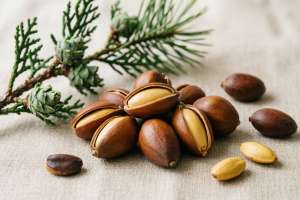
Efficacy and functions of Baiziren
Overview of the efficacy and functions of BaizirenBaiziren is the dried and mature seed kernel of Platycladus orientalis, a plant in the Cupressaceae family. Traditional Chinese medicine believes that it is flat in nature and sweet in taste, and can be used to regulate the heart, kidney, and large intestine meridians.Nourish the heart and calm the nerves, moisturize the intestines and relieve constipation, and nourish the liver and kidneysand other effects.Its main functions include improving sy
-
View
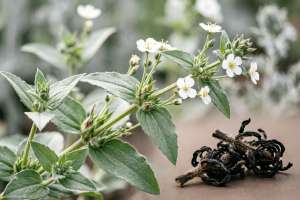
Eclipta Eclipta efficacy and functions
Overview of the efficacy and functions of EcliptaEclipta, also known as Eclipta or Eclipta, is a commonly used medicinal material in traditional Chinese medicine to nourish the liver and kidneys, cool blood and stop bleeding.Its core functions includeNourishes yin and nourishes kidney, blackens beard and hair, stops bleeding and reduces inflammation, the secondary effects involve improving hair loss, relieving gum bleeding and skin eczema.The primary and secondary structure is clear: liver and k
-

View
Function and role of hippocampus
Overview of the functions and functions of the hippocampusSeahorse is a precious marine creature recognized for its many benefits in both traditional medicine and modern research.Its main functions includeReplenishing kidneys and strengthening yang, anti-fatigue, regulating immunity, antioxidantetc., especially the effect of nourishing kidney and replenishing qi is the most prominent.In addition, the hippocampus also plays a certain role in improving blood circulation and relieving neurasthenia.
-
View
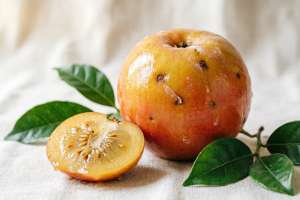
The effects and functions of fragrant fruit
Overview of the effects and functions of fragrant fruitXiangguo, also known as Ligusticum chuanxiong or Shannai, is a plant with both medicinal and edible value, and its rhizomes are often used in traditional Chinese medicine.Its main functions includePromotes blood circulation and removes blood stasis, dispels wind and relieves pain, improves blood circulation, the secondary effects involve relieving headaches, joint pain and women’s menstrual discomfort.The active ingredients of xiangguo, su
-
View
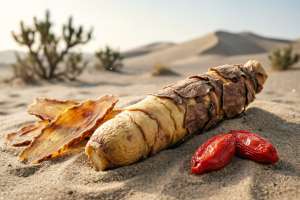
Efficacy and functions of Cistanche deserticola
Overview of the efficacy and functions of Cistanche deserticolaCistanche deserticola, also known as Cistanche deserticola, is a traditional Chinese medicinal material mainly produced in desert areas and is known as "desert ginseng".Its core functions includeReplenishing kidney yang, replenishing essence and blood, moistening intestines and laxative, the secondary effects involve anti-aging, regulating immunity, etc.This article will start from its medicinal value, suitable people, usage methods
-
View
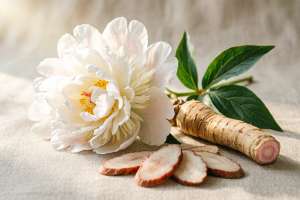
White peony effect and function
Overview of the efficacy and functions of white peony rootWhite peony root is a commonly used blood-nourishing and menstrual-regulating medicine in traditional Chinese medicine.Nourishes blood and softens liver, relieves pain, astringes yin and stops sweatingIt has core functions such as irregular menstruation, hypochondriac pain, spontaneous sweating and night sweats.Its functions can be divided into two categories: primary and secondary:Main functionsIncluding regulating female endocrine, reli
-
View
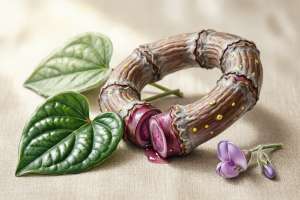
Efficacy and functions of Wu Hua Xue Teng
Overview of the efficacy and functions of SpatholobusFive-flowered bloodvine is a traditional Chinese medicinal material, which mainly hasPromotes blood circulation and removes blood stasis, unblocks collaterals to relieve pain, expels wind and removes dampnessIt has other effects and is often used to treat rheumatic arthralgia, bruises and irregular menstruation.Its core function is to promote blood circulation, relieve inflammation and pain, and its secondary functions include assisting in reg
-
View
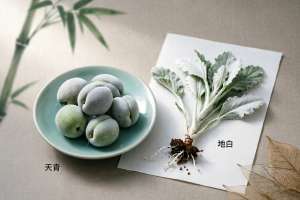
The efficacy and function of Tianqingdibai
Overview of the efficacy and functions of TianqingdibaiTianqing Dibai is a traditional Chinese medicinal material that has the effects of clearing heat and detoxifying, cooling blood and stopping bleeding, reducing swelling and dissipating stagnation. It is often used to treat sore throat, carbuncle sores, bruises and other diseases.Its main components include flavonoids, organic acids and other active substances. Modern research shows that it has certain anti-inflammatory and antibacterial effe
-
View
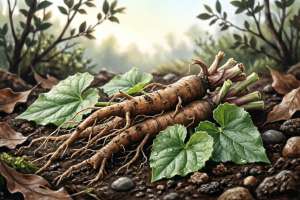
The efficacy and functions of wild buckwheat root
Overview of the efficacy and functions of wild buckwheat rootWild buckwheat root, also known as golden buckwheat, is a traditional Chinese medicinal material that has the functions of clearing heat and detoxifying, activating blood circulation and removing blood stasis, strengthening the spleen and digesting food.Modern research shows that it is rich in active ingredients such as flavonoids and phenolic acids, which has a certain auxiliary effect on respiratory infections, inflammation and diges